24 HOUR EMERGENCY RESPONSE: Call 0800 5999 009 or email info@humidityresponse.uk

Mould investigations that establish why growth is occurring and how far the problem extends

Visible mould is evidence that moisture conditions have supported fungal growth, but the visible area may not tell the whole story. Growth can occur behind furniture, wall coverings, linings, flooring or within poorly ventilated voids, while musty odour can remain even where mould is not immediately visible. The key question is therefore not simply how to clean the surface, but what moisture condition created the problem and what extent of remediation is justified.

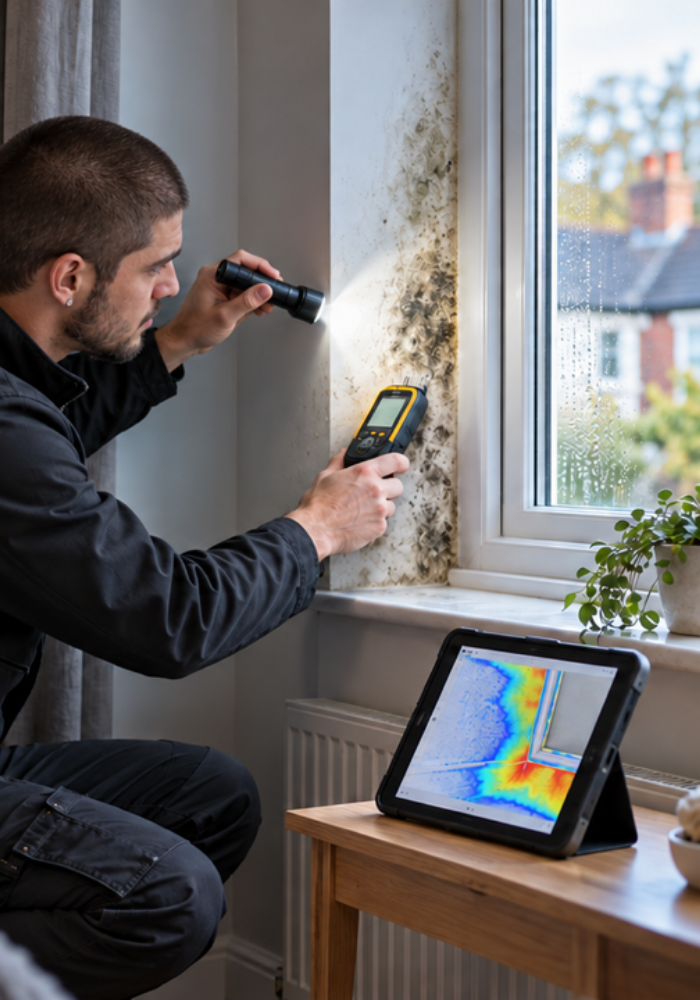
Humidity Response carries out mould investigations for homes, social and private rented property, schools, commercial buildings and insurance-related losses. We assess the pattern and extent of visible growth, investigate moisture sources, measure the surrounding environment and consider the materials affected. Where air sampling, intrusive inspection or longer-term environmental monitoring would answer a defined question, those methods can be incorporated into the investigation. The outcome is a clear evidence-led scope rather than a generic mould-wash recommendation.

Why choose Humidity Response

Circle

Root-cause focus

Moisture ingress, condensation, ventilation, heating, cold bridging, residual water damage and building defects are considered before a remediation plan is finalised.

Circle

Extent assessment

We look beyond the most obvious visible patch and consider adjoining surfaces, concealed areas, contents and air pathways where the evidence indicates further impact may be present.

Circle

Moisture and environmental data

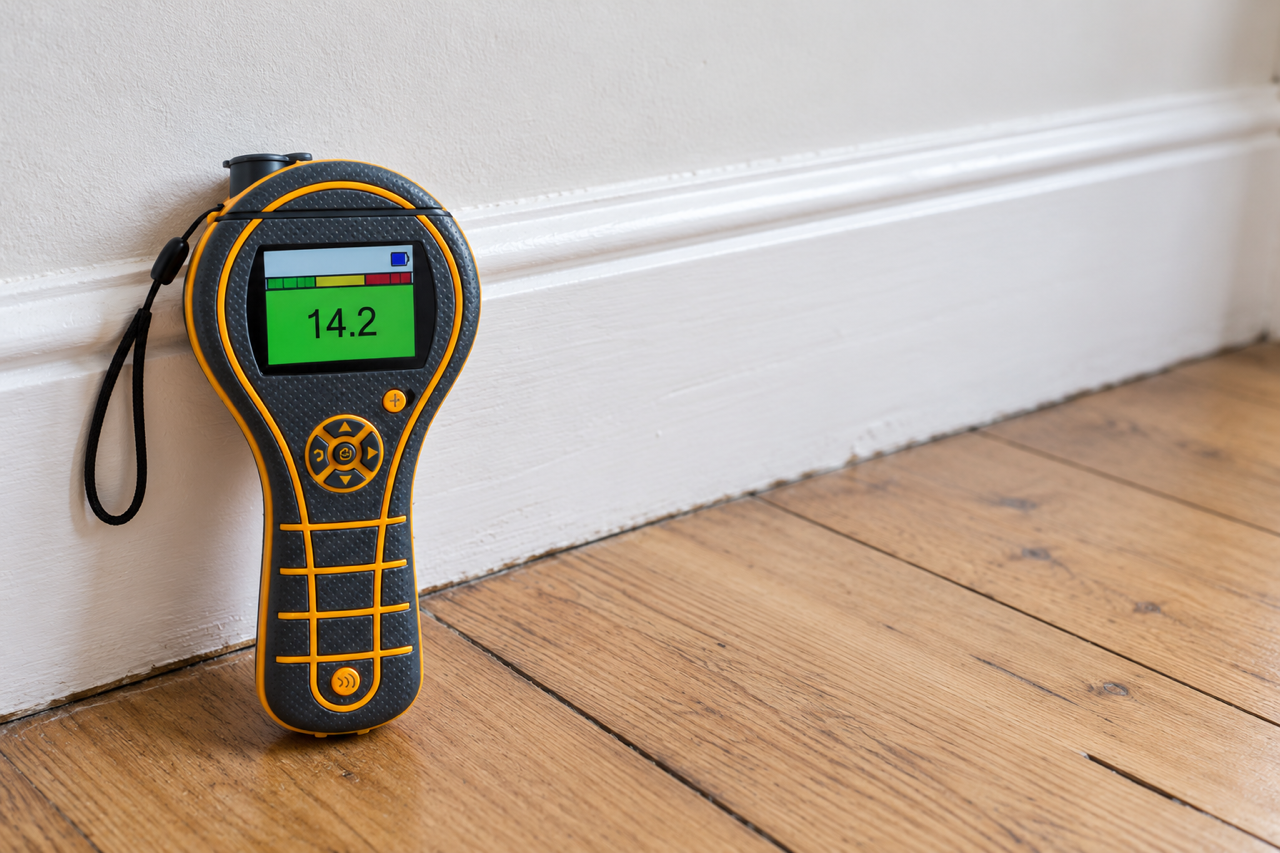
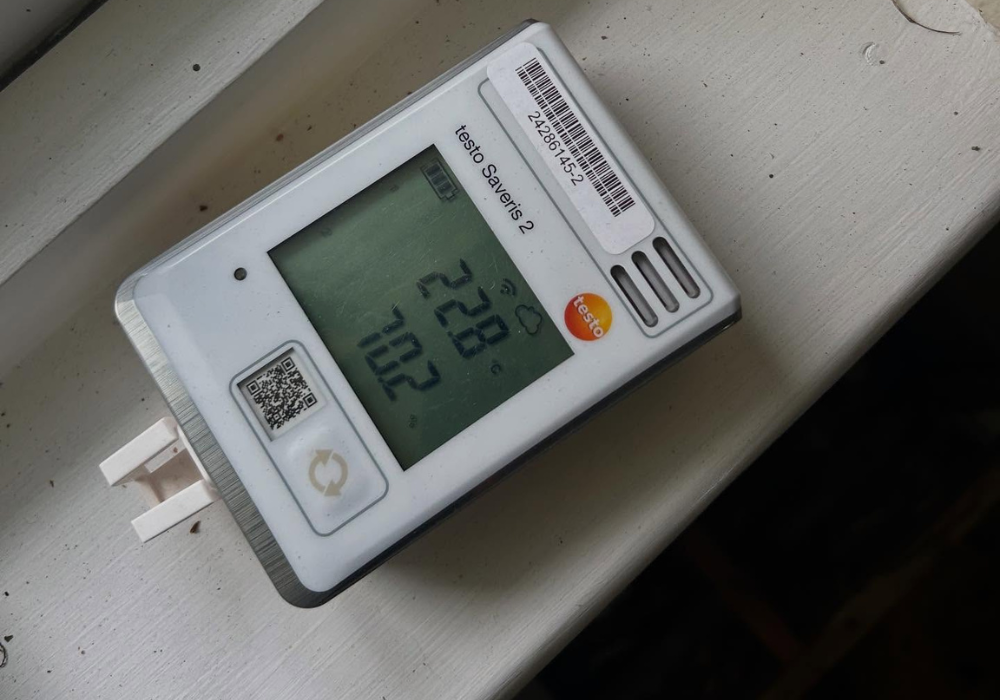
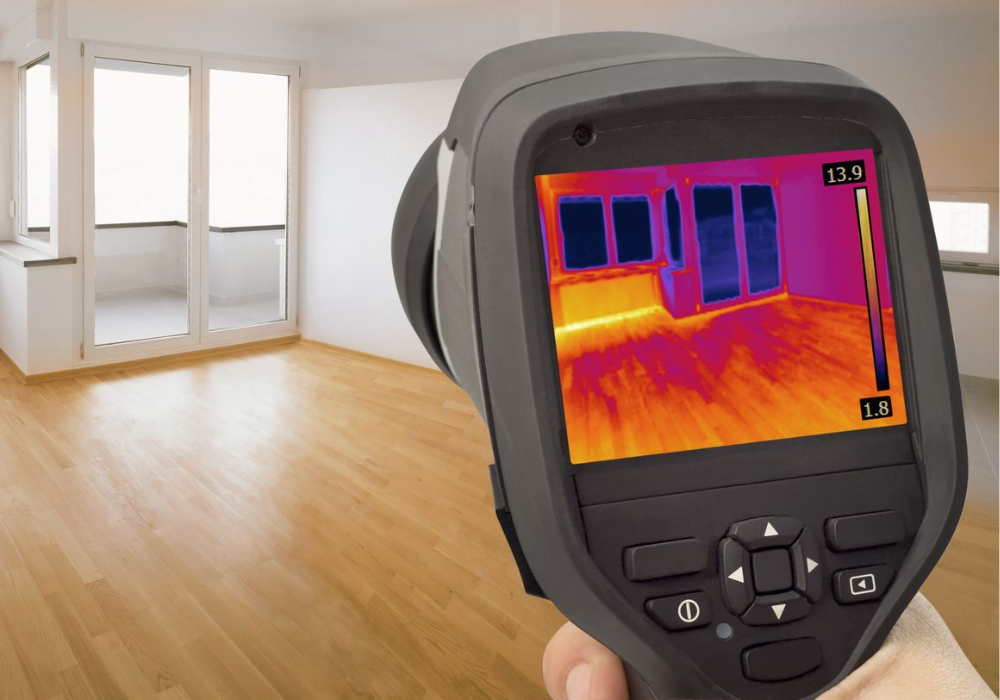
Material readings, temperature, relative humidity and thermal imaging can be combined to understand the conditions supporting growth.

Circle

Sampling where it adds value

Air sampling is available for selected investigations, including indoor/outdoor comparison, but it is not presented as a substitute for inspection or moisture diagnosis.

Circle

Clear remediation scope

The report can distinguish between materials suitable for cleaning, items that may require controlled removal, areas requiring drying, and building defects that need separate repair.

Circle

Suitable for managed and insurance property

Photographs, measurements and structured recommendations provide a defensible record for landlords, property managers, insurers and loss adjusters.

Our mould investigation process

1.

Background and occupancy review

We establish when the mould was first noticed, whether it has returned after previous cleaning, any history of leaks or flooding, patterns of condensation and any relevant vulnerability or access considerations disclosed by the client.

2.

Visual and building inspection

Accessible affected areas are examined for visible growth, staining, water damage, damaged finishes, concealed-risk locations, ventilation condition and building defects that may be contributing to moisture.

3.

Moisture and environmental assessment

Material moisture readings, ambient temperature and relative humidity are recorded as appropriate. Thermal imaging may be used to identify colder surfaces, moisture-related anomalies or building-fabric conditions requiring closer checks.

4.

Define the likely affected extent

The visible boundaries, material types and evidence of hidden impact are considered. Where opening-up is justified, intrusive investigation can be targeted to avoid unnecessary disturbance while still answering the technical question.

5.

Sampling or monitoring where justified

Mould air sampling, an outdoor/reference sample or a period of environmental data logging can be recommended where it will materially improve the assessment or provide evidence requested by the client or stakeholder.

6.

Report and remediation recommendations

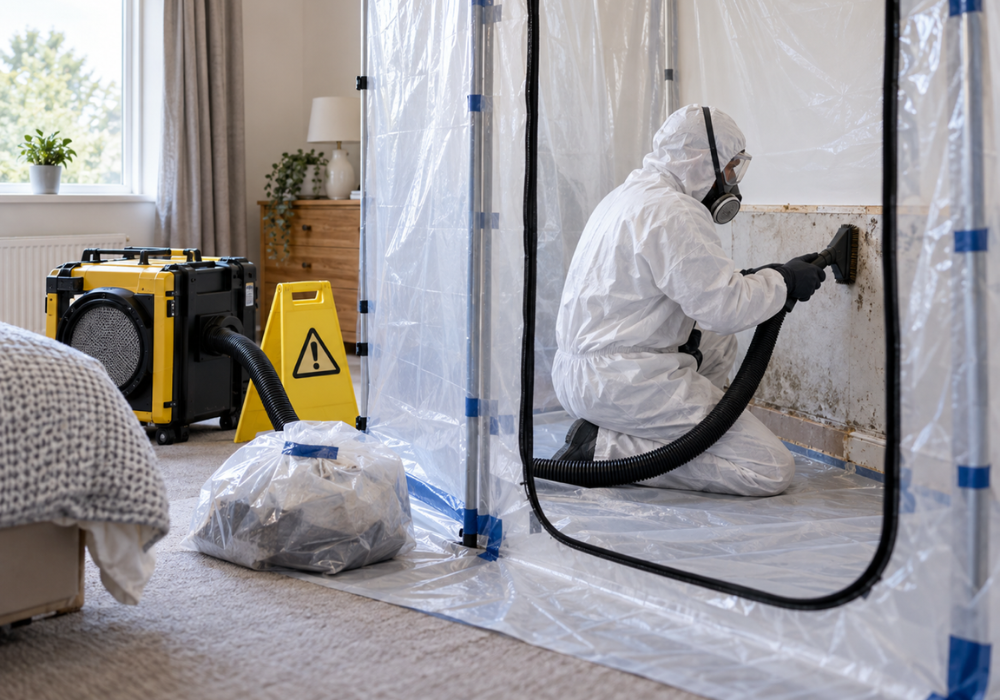
We document the likely moisture cause, affected areas, recommended source repairs, cleaning/removal scope, drying requirements, containment considerations, and any further verification or specialist input that should be agreed.

Technical information

Mould growth requires moisture. The moisture may come from liquid water, elevated material moisture or sustained humidity and condensation. Government damp-and-mould guidance for housing providers emphasises that simply removing visible mould does not prevent recurrence if the underlying source of water or condensation remains. That principle is central to our investigation process.

Concealed mould should be approached carefully. Disturbing wall coverings, carpets, ceiling tiles or other suspect materials can release spores and fragments into the air. Where hidden growth is suspected, the method of investigation should therefore consider access control, PPE/RPE and the possibility that a small inspection may need to transition into controlled remediation.

Air sampling can provide useful comparative information about airborne mould particles at a particular time and place, but it is not a stand-alone health test and there is no single universal indoor spore count that proves a building is safe or unsafe. Results are interpreted alongside the visual inspection, moisture data, outdoor conditions, ventilation and the sampling context.

For social housing in England, Awaab’s Law Phase 1 has applied since 27 October 2025 to all emergency hazards and significant damp and mould hazards. Current government guidance requires significant damp and mould hazards to be investigated within 10 working days and made safe within 5 working days after the investigation, while emergency hazards require action within 24 hours. The technical investigation still needs to identify and address the underlying cause rather than relying on surface treatment alone.

Typical applications

  • Recurring black or coloured mould growth
  • Musty odour with limited visible mould
  • Housing association and local-authority damp and mould cases
  • Post-water-damage mould concerns
  • Schools, offices and communal buildings with repeated growth
  • Insurance or liability cases requiring documented evidence
  • Properties where previous mould cleaning has failed to prevent recurrence

Frequently asked questions

Do you need to know the exact species of mould before removing it?

Usually the first priorities are to identify the moisture source, extent of affected material and appropriate control measures. Laboratory sampling can be useful in selected cases, but professional remediation should not be delayed simply because the exact species has not been named.

Can mould be hidden even if I cannot see it?

Yes. Musty odour, recurring staining, damp materials or a history of water damage can indicate concealed growth behind finishes or in voids. Intrusive investigation is only recommended where the evidence justifies it and the work can be carried out safely.

Is air testing always necessary?

No. Visible mould plus a clear moisture source may provide enough information to plan remediation. Air sampling is most useful when it answers a specific question – for example comparing rooms, investigating an odour concern, supporting a complex case or providing post-work evidence where that has been agreed.

Can you tell whether condensation is causing the mould?

We assess relative humidity, temperature, surface conditions, ventilation, heating and building fabric alongside material moisture. If the problem is intermittent, remote environmental monitoring may be recommended to establish the pattern over time.

Will the investigation tell me what needs removing?

Yes, where the evidence supports that conclusion. The report can identify which materials appear suitable for cleaning, which porous or damaged materials may need controlled removal, and which areas need further access before the final scope can be confirmed.

Do you deal with Awaab's Law cases?

We can provide the technical damp and mould investigation, documentation and remediation recommendations needed to support landlords and housing providers. Legal responsibility and statutory compliance remain with the landlord, so urgent cases should be triaged and instructed within the applicable timeframes.

Accreditations, Memberships and Professional Training

01_pqs
02_cqms
ICO_Logo_Blue
OnceForAll_-_Full_colour_RGB-scaled
05_safecontractor
06_ssip_smas_existing_website
07_builders_profile
08_citb
09_bdma_existing_website
10_iicrc_existing_website
11_pmii
Screenshot 2026-10-12 at 20.21.30
13. Dewpoint Tech Logo OCT26
14_trading_standards_checked
15_nasc_existing_website
15_nasc_scalable_alternative
16_cscs
17_bwca_small_icon