24 HOUR EMERGENCY RESPONSE: Call 0800 5999 009 or email info@humidityresponse.uk

Professional sewage contamination cleanup, decontamination and drying

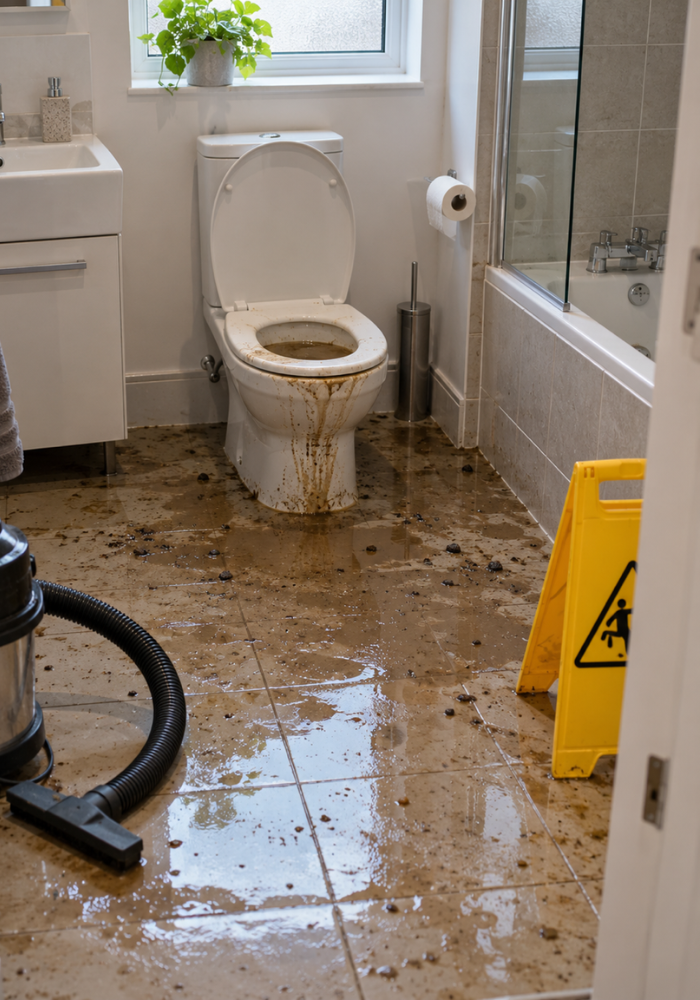
A sewage escape is both a water-damage incident and a contamination incident. Foul water can spread through floor finishes, wall bases, voids, insulation, furniture and other absorbent materials, carrying organic matter and microorganisms beyond the area that first appears affected. Prompt professional action is therefore important to contain the incident, remove contaminated material and begin a controlled restoration process.

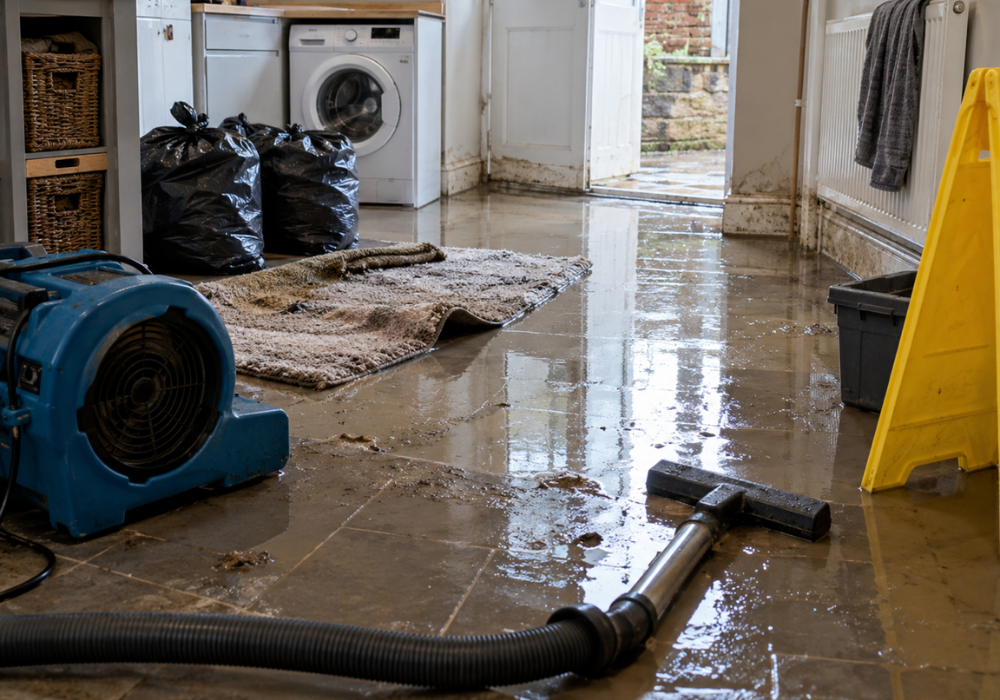
Humidity Response provides 24/7 response to sewage backups, foul-water escapes and other heavily contaminated water losses in homes, commercial buildings and managed properties. Our technicians assess the extent of contamination, protect unaffected areas, remove standing water and gross contamination, determine which materials can reasonably be decontaminated and which require controlled removal, then clean, disinfect and dry the affected structure as appropriate.

Every sewage event is different. The response is based on the source, volume, duration, materials affected, occupancy, hidden migration and any additional hazards on site. The aim is to restore the property safely and proportionately without carrying contamination into unaffected areas or reinstating over wet materials.

Why choose Humidity Response

Circle

Rapid 24/7 attendance

Early action can limit migration into adjoining rooms, voids and absorbent building materials.

Circle

Combined contamination and drying expertise

We address the biological contamination and the retained moisture rather than treating them as separate problems.

Circle

Controlled removal decisions

Materials are assessed according to contamination, porosity, condition, access and practical restorability rather than being stripped out without reason.

Circle

Cross-contamination controls

Work areas, equipment movement and waste routes can be planned to protect unaffected parts of the building.

Circle

Moisture mapping and verification

Retained building materials can be mapped and monitored through the structural drying stage.

Circle

Insurance and property-management reporting

Photographs, affected-area observations, moisture information and recommendations can support claim and repair decisions.

Our sewage contamination response process

1.

Make safe and assess

We establish the source and extent of the incident, consider electrical and structural hazards, identify likely contamination pathways and set the work-area controls before intrusive cleaning begins.

2.

Stop or isolate the source

Where possible, the flow of sewage or contaminated water must be stopped, isolated or referred to the appropriate drainage/plumbing service before restoration can progress safely.

3.

Remove standing water and gross contamination

Free water, solids and visibly contaminated debris are removed using suitable controlled methods. The priority is to prevent further spread and avoid generating unnecessary splashing or aerosols.

4.

Remove non-restorable contaminated materials where required

Highly porous materials that have absorbed sewage may not be practical to decontaminate in place. The decision is made according to the material, depth of contamination, access, use of the building and restoration objective.

5.

Clean and disinfect retained surfaces

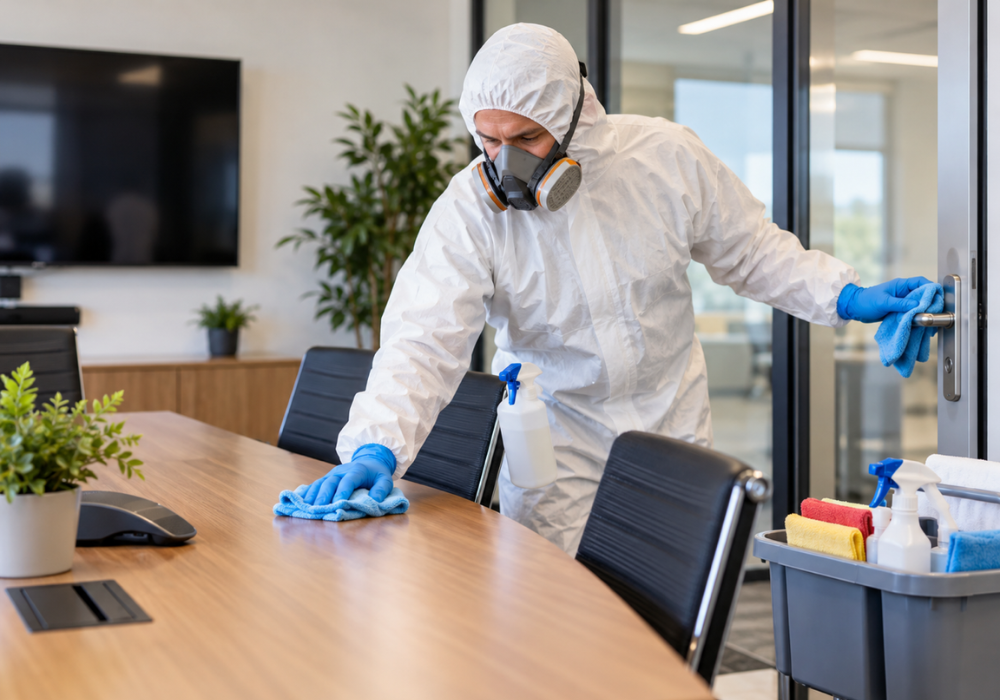
Remaining surfaces are physically cleaned to remove soil and organic contamination before an appropriate disinfectant is applied where required. Products are used in accordance with their instructions, including dilution, compatibility and contact time.

6.

Dry, verify and report

Once contamination controls are complete, retained materials are moisture-mapped and a drying system is designed where necessary. Progress is monitored and the agreed works are documented before the area moves towards reinstatement.

Technical information

Sewage contamination should not be treated as ordinary clean water simply because it is diluted. Foul water can contain faecal material, organic matter, microorganisms and other contaminants, while flooding or drainage failures may introduce additional pollutants. The practical restoration response therefore has to consider both exposure risk and the way contaminated water has migrated through the building.

Porosity matters. Smooth, non-porous surfaces may often be capable of effective cleaning and disinfection if they remain physically sound and accessible. Absorbent materials can be much more difficult because contamination may penetrate below the visible surface. Where effective decontamination cannot be achieved or verified, controlled removal may be the more appropriate option.

Cleaning is an essential stage before disinfection. Heavy organic soiling can interfere with some disinfectants, so visible contamination must be removed using a safe method before the selected disinfectant is relied upon. The product must be compatible with the substrate and used for the manufacturer’s stated contact time. Mixing chemicals or increasing concentration without technical justification can create additional hazards and damage materials.

Hidden moisture remains a secondary risk after the area looks clean. Sewage water can migrate beneath floor finishes, into screeds, wall bases and cavities. Humidity Response can use moisture mapping, controlled access and structural drying techniques to establish the extent of retained water and monitor the drying process after the contaminated phase of the loss has been dealt with.

Waste from sewage work must be segregated and handled according to what it contains and how it is classified. The website should not describe all waste as one category. Sharps, chemical contamination, infectious waste and ordinary damaged building materials may require different packaging and disposal routes.

Typical applications

  • Blocked or backed-up foul drains
  • Overflowing toilets and sanitary systems
  • Failed sewage pumps or drainage systems
  • Foul-water contamination in basements and lower-ground floors
  • Contaminated floodwater affecting homes, schools or commercial buildings
  • Sewage affecting floor build-ups, wall bases and service voids
  • Insurance claims involving contaminated water and subsequent structural drying

Frequently asked questions

Can I clean a sewage spill myself?

Small household incidents may be manageable with appropriate precautions, but larger, prolonged or hidden contamination can spread beyond the visible area. Professional assessment is particularly important where sewage has entered porous materials, voids, multiple rooms or commercial premises.

Does everything touched by sewage have to be thrown away?

No. The decision depends on the material and the extent of contamination. Some hard, accessible and physically sound surfaces can be cleaned and disinfected effectively. Heavily contaminated absorbent materials may require removal if reliable decontamination is not practical.

Do you use disinfectant straight away?

Gross contamination and physical soiling need to be removed first. Cleaning reduces the organic load and allows the selected disinfectant to work as intended. Product instructions and contact times are then followed.

Will the property need drying after the sewage is cleaned?

Often yes. The contamination may be removed while moisture remains within screeds, walls, voids or other building materials. We can moisture-map the retained structure and install a controlled drying system where required.

Can sewage contamination cause odour after cleaning?

Odour can persist if contaminated material, trapped moisture or residues remain. Odour treatment is therefore source-led: the affected material and moisture problem are dealt with first, with additional deodorisation used where appropriate.

Can you provide a report for an insurer or landlord?

Where reporting is included in the instruction, we can document the affected areas, photographs, observations, moisture findings, work undertaken and recommendations for drying or reinstatement.

Accreditations, Memberships and Professional Training

01_pqs
02_cqms
ICO_Logo_Blue
OnceForAll_-_Full_colour_RGB-scaled
05_safecontractor
06_ssip_smas_existing_website
07_builders_profile
08_citb
09_bdma_existing_website
10_iicrc_existing_website
11_pmii
Screenshot 2026-10-12 at 20.21.30
13. Dewpoint Tech Logo OCT26
14_trading_standards_checked
15_nasc_existing_website
15_nasc_scalable_alternative
16_cscs
17_bwca_small_icon