24 HOUR EMERGENCY RESPONSE: Call 0800 5999 009 or email info@humidityresponse.uk

Contents Removal, Handling & Storage

Secure contents removal and storage during restoration works

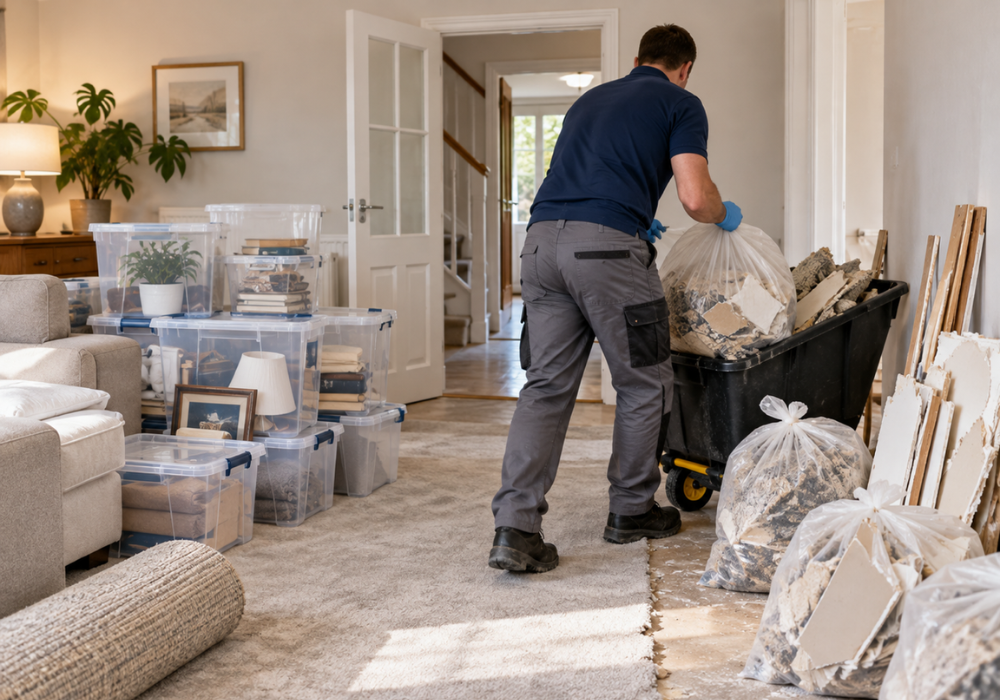
Fire, flood, mould and major water-damage projects often cannot progress efficiently while rooms remain full of furniture, stock, personal belongings or equipment. Humidity Response can remove and transport contents into secure short- or long-term storage where this forms part of the agreed recovery plan.

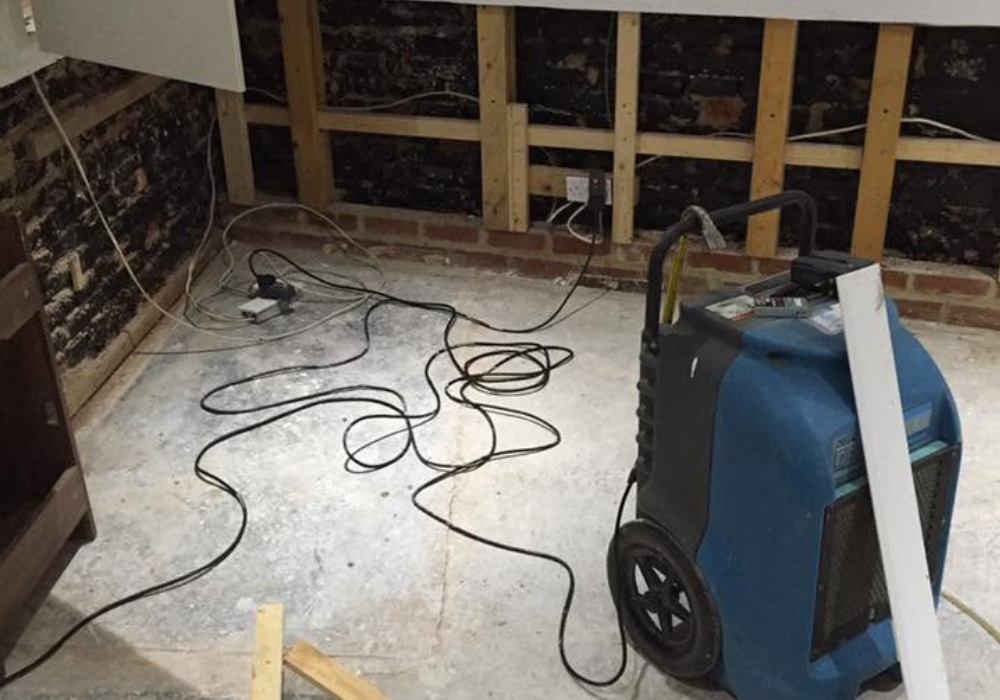
Clearing affected rooms can protect unaffected belongings from secondary damage, provide technicians with safe access and create the working space needed for strip-out, cleaning, moisture mapping and structural drying. Contents are handled according to the incident and item type, with care taken to separate apparently unaffected or salvageable items from heavily damaged or contaminated contents.

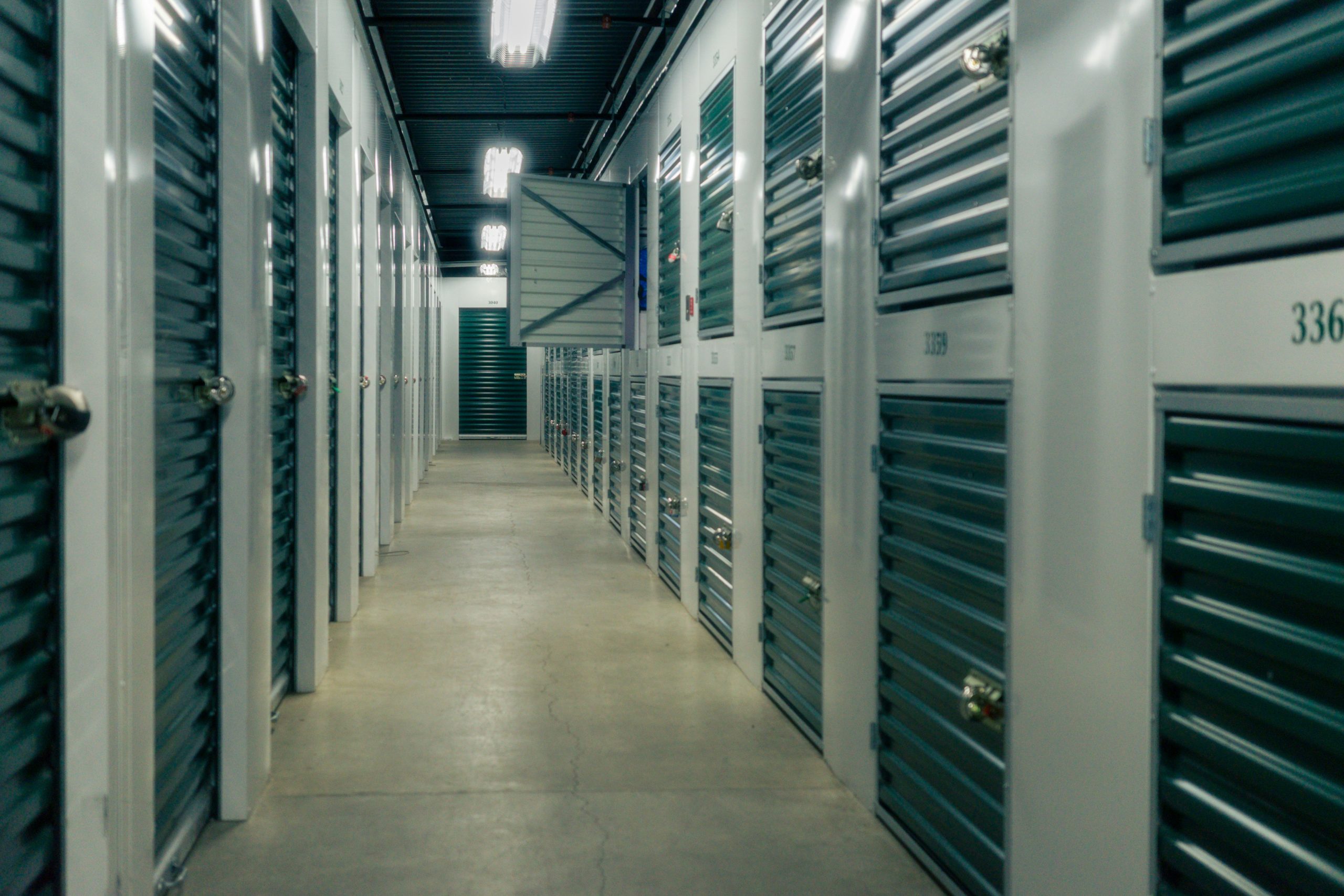
Our existing storage capability includes robust wooden storage containers suitable for longer or shorter periods. For items requiring specialist restoration, conservation, electronics treatment or other dedicated contents expertise, the appropriate specialist route can be coordinated rather than treating every item in the same way.

Why choose Humidity Response

Circle

Integrated with the restoration programme

Contents removal can be scheduled around strip-out, drying, cleaning and access requirements rather than managed as a separate unrelated move.

Circle

Protection from secondary damage

Moving vulnerable items away from wet, contaminated, smoky or high-humidity areas can reduce further deterioration while the building is stabilised.

Circle

Short- or long-term storage

Contents can remain stored for the period required by the claim or project, subject to the agreed inventory and storage arrangements.

Circle

Transport support

Items can be removed from site and transported to the agreed storage location as part of the service.

Circle

Claim documentation

Where required, photographs, room references and inventory information can support discussions with insurers, loss adjusters or property managers.

Circle

Clear restoration boundaries

Items needing specialist restoration can be identified for referral or separate treatment rather than creating unrealistic expectations that every damaged item can be restored.

Our contents removal and storage process

1.

Agree the scope and item categories

We establish which rooms need to be cleared, which items are to remain, which require storage and whether any contents need specialist assessment because of contamination, fire residues, water damage or high value.

2.

Document and organise the removal

The level of inventory, photography and labelling is agreed according to the claim. Items can be grouped by room, owner, condition or storage requirement so they can be traced and returned efficiently.

3.

Protect and move salvageable contents

Suitable contents are packed or protected as required and removed using a controlled route that minimises damage to the items and the property. Contaminated contents are not mixed indiscriminately with unaffected items.

4.

Transport to secure storage

Items are transported to the agreed storage facility and placed into suitable storage containers or areas. Humidity Response’s brochure identifies 250 cubic feet wooden storage containers as part of the existing service.

5.

Coordinate specialist treatment where needed

Where an item requires specialist cleaning, conservation, electronics restoration, textile treatment or other dedicated expertise, this can be referred or coordinated separately according to the claim and client instruction.

6.

Return or release contents at the appropriate stage

Once the property and programme are ready, stored items can be released or returned in accordance with the agreed scope, avoiding premature reintroduction into areas that are still being dried, cleaned or reinstated.

Technical information

The decision to remove contents is not based only on convenience. High humidity, smoke residues, mould growth, contaminated water and ongoing building works can continue to affect belongings even if the item itself was not directly wet or burned. Creating separation from the damaged environment can therefore be an important secondary-damage control measure.

Different incidents also require different handling. Clean, dry furniture from an unaffected room may simply require careful protection and storage. Items exposed to sewage, mould, soot or fire residues may require additional assessment before they can enter a clean storage environment. Cross-contamination controls should therefore be considered when planning the pack-out and transport route.

Inventory detail should match the purpose of the instruction. A straightforward temporary room clearance may need less documentation than a complex insurance loss involving multiple rooms, disputed condition or high-value contents. The scope should establish who is responsible for valuation, specialist restoration decisions and disposal authority.

Storage does not itself restore damaged contents. It creates a controlled location while decisions are made and building works progress. Items that have suffered specialist damage should be assessed for appropriate treatment rather than simply being stored indefinitely in the condition in which they were removed.

Typical applications

  • Flood and escape-of-water claims requiring rooms to be cleared for drying
  • Fire and smoke losses where unaffected or salvageable contents need to be protected
  • Mould remediation projects requiring access and separation of contents
  • Commercial or office losses involving furniture, equipment or stock
  • Housing, school and managed-property projects where phased works require temporary storage
  • Large strip-out programmes where contents obstruct safe access
  • Short- or long-term storage while reinstatement or claim decisions are completed

Frequently asked questions

Do you offer both removals and storage?

Yes. The existing Humidity Response service includes transportation together with short- or long-term storage, subject to the agreed scope and available capacity.

Can you store contents while my property is drying?

Yes. Removing suitable contents can improve access for drying and protect items from the damaged environment while the building is being stabilised.

Do you restore every damaged item yourselves?

No. Some items may be suitable for cleaning or basic restoration within the wider project, while others require specialist contents, electronics, textile or conservation expertise. Those items can be identified for the appropriate route.

How do you keep track of what has been removed?

The level of inventory and photographic documentation is agreed for the job. Complex insurance claims can require more detailed room references, labels and condition records than a straightforward temporary clearance.

Can contaminated contents be placed straight into storage?

Not automatically. Contents exposed to sewage, mould, fire residues or other contamination need to be assessed and controlled so unaffected items and clean storage areas are not cross-contaminated.

When are the contents returned?

Return is coordinated with the project programme. Items should normally come back when the relevant areas are dry, clean and sufficiently complete for safe reoccupation or reinstatement.

Accreditations, Memberships and Professional Training

01_pqs
02_cqms
ICO_Logo_Blue
OnceForAll_-_Full_colour_RGB-scaled
05_safecontractor
06_ssip_smas_existing_website
07_builders_profile
08_citb
09_bdma_existing_website
10_iicrc_existing_website
11_pmii
Screenshot 2026-10-12 at 20.21.30
13. Dewpoint Tech Logo OCT26
14_trading_standards_checked
15_nasc_existing_website
15_nasc_scalable_alternative
16_cscs
17_bwca_small_icon