24 HOUR EMERGENCY RESPONSE: Call 0800 5999 009 or email info@humidityresponse.uk

Escape of water damage assessment and recovery

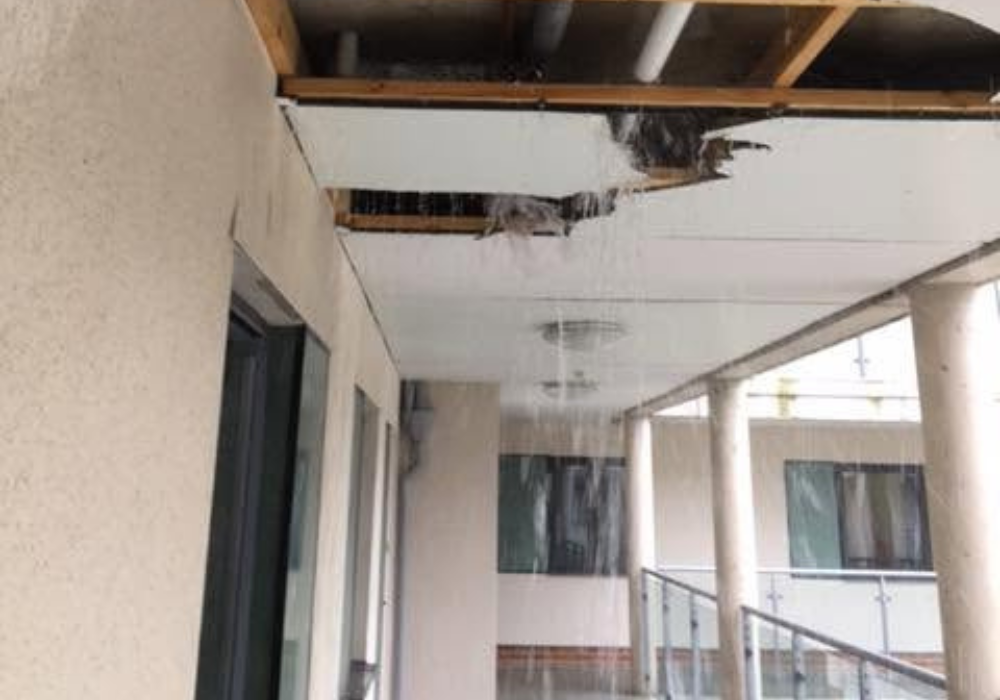
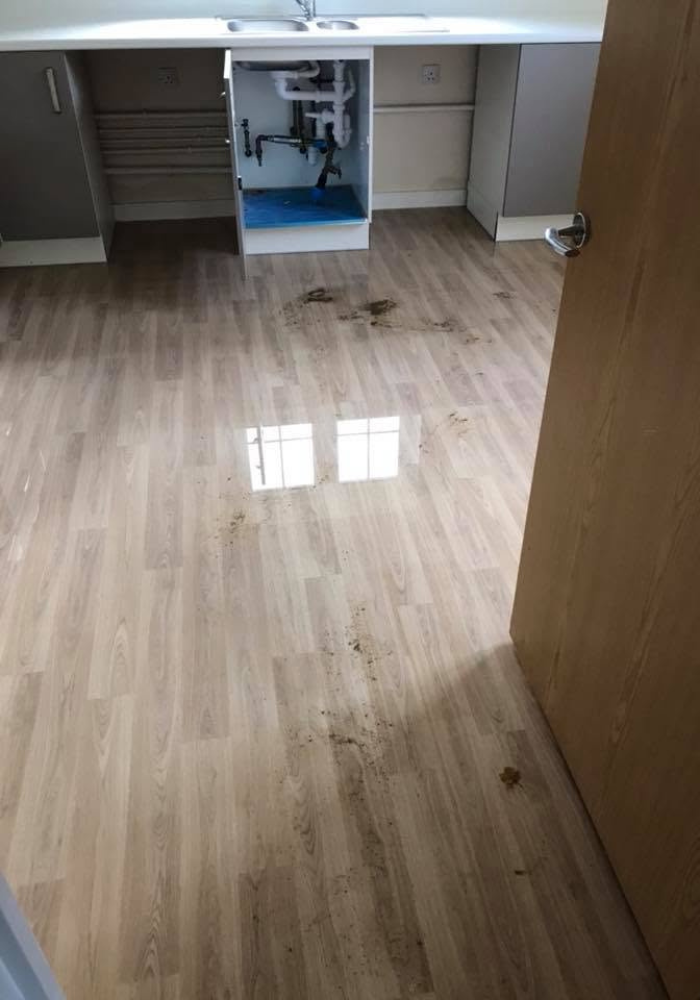
An escape of water can begin with a small failed fitting and still result in extensive hidden damage. Burst pipes, leaking appliances, tanks, heating systems, bathrooms and plumbing failures can release water into floors, wall cavities, ceilings and adjoining rooms before the full extent is visible. Once the source has been stopped or made safe, the priority is to establish where the water has travelled and what needs to be done to prevent secondary deterioration.

Humidity Response provides specialist assessment, moisture mapping, damage limitation and drying following escape-of-water incidents. We work with homeowners, commercial clients, managing agents, insurers and loss adjusters, producing clear technical evidence and a drying plan based on the construction, materials and extent of moisture migration rather than simply the area showing staining.

Why choose Humidity Response

Circle

Fast technical assessment

Early moisture mapping helps establish the true affected area and identify locations that may require urgent protection or investigation.

Circle

Hidden moisture detection

We combine material readings, thermography where appropriate and building observations to investigate moisture beyond visible surface damage.

Circle

Targeted drying strategies

The drying system is designed around the affected construction – for example walls, screeds, timber floors, voids or layered floor systems – rather than using equipment by room size alone.

Circle

Reduced unnecessary strip-out

Where safe and practical, specialist drying can allow materials to be retained, reducing disruption, waste and reinstatement cost.

Circle

Remote monitoring capability

For suitable projects, environmental and in-situ readings can be monitored remotely between site visits to improve visibility of drying conditions.

Circle

Clear claim documentation

Our reports can include photographs, moisture data, affected-area mapping, technical recommendations and drying progress information.

Our escape-of-water processs

1.

Confirm source status

We establish whether the escape has been stopped or isolated. If the source remains uncertain, leak detection or trace-and-access investigation may be recommended before drying begins.

2.

Map the affected area

Moisture readings are taken systematically to identify the extent and direction of water migration, including adjoining rooms, floor build-ups, wall bases and other susceptible areas.

3.

Assess materials and access

We consider what is wet, how the building is constructed, whether water is trapped in cavities or layers, and which finishes or contents can be safely retained.

4.

Implement damage-limitation measures

Standing water is removed where present and vulnerable materials are protected, lifted, isolated or selectively removed where necessary to allow safe recovery.

5.

Install and monitor the drying system

Dehumidifiers, air movers, heating or targeted drying methods are used as required. Moisture and environmental data are reviewed during the programme and the system is adjusted as conditions change.

6.

Verify completion

Final readings are recorded against appropriate dry-reference criteria and a completion report or drying evidence can be provided to support reinstatement or claim progression.

Technical information

Escape-of-water losses often involve concealed moisture because water follows gravity, capillary pathways, joints and voids. It can track beneath floor coverings, along service penetrations and into adjoining construction without leaving a clear surface mark. For that reason, a systematic moisture survey is important before deciding the scope of strip-out or drying.

We use a combination of non-invasive and invasive readings where appropriate. Non-invasive meters and thermal imaging can rapidly identify patterns and anomalies, while pin, depth or in-situ measurements may be used when the construction and investigation justify them. The purpose is not to rely on one instrument, but to combine readings with building knowledge and observations.

Drying is then matched to the moisture load and building assembly. Refrigerant/LGR dehumidification may be effective in suitable warm environments, while desiccant systems can be advantageous where lower humidity or lower-temperature performance is required. Air movers increase evaporation from accessible surfaces, and controlled heat can support evaporation when used appropriately. Layered floors, cavities or insulation may need targeted suction or pressure drying rather than room-air drying alone.

Where a drying programme is expected to run for an extended period, remote environmental monitoring can record temperature, relative humidity and related conditions between visits. This does not replace final material verification, but it can provide useful trend data and identify whether drying conditions remain effective.

Typical applications

  • Burst or frozen pipework
  • Failed taps, fittings and flexible hoses
  • Leaking washing machines, dishwashers or other appliances
  • Heating-system, cylinder or tank leaks
  • Bathroom and shower failures
  • Escape-of-water insurance claims with hidden moisture

Frequently asked questions

Do I need leak detection before drying starts?

Only if the source has not been confidently identified and stopped. Drying an active leak is ineffective, so source control comes first. Where needed, we can recommend or provide appropriate diagnostic investigation.

The surface looks dry - could there still be moisture underneath?

Yes. Water can remain in screeds, subfloors, insulation, cavities, plaster and other materials after the visible surface has dried. Moisture readings are used to assess the structure rather than relying on appearance.

Will my flooring have to come up?

Not automatically. The decision depends on the flooring type, subfloor, contamination, how much water is trapped and whether an effective drying path can be created. We assess the build-up before recommending removal.

Can you dry concrete or screed after a leak?

Often yes, but the method and timescale depend on the material, thickness, floor build-up, finishes and moisture condition. Where required, in-situ or surface-relative-humidity methods can be used to monitor progress.

Can the equipment be monitored remotely?

On suitable projects, yes. Remote sensors can record environmental conditions and, depending on the set-up, in-situ relative humidity data. This provides useful trend information between site inspections.

Do you provide reports for insurance claims?

Yes. We can provide photographs, moisture readings, findings, recommendations and drying progress information for insurers, loss adjusters and other stakeholders.

Accreditations, Memberships and Professional Training

01_pqs
02_cqms
ICO_Logo_Blue
OnceForAll_-_Full_colour_RGB-scaled
05_safecontractor
06_ssip_smas_existing_website
07_builders_profile
08_citb
09_bdma_existing_website
10_iicrc_existing_website
11_pmii
Screenshot 2026-10-12 at 20.21.30
13. Dewpoint Tech Logo OCT26
14_trading_standards_checked
15_nasc_existing_website
15_nasc_scalable_alternative
16_cscs
17_bwca_small_icon