24 HOUR EMERGENCY RESPONSE: Call 0800 5999 009 or email info@humidityresponse.uk

Property Managers

Clear restoration support across managed buildings and property portfolios

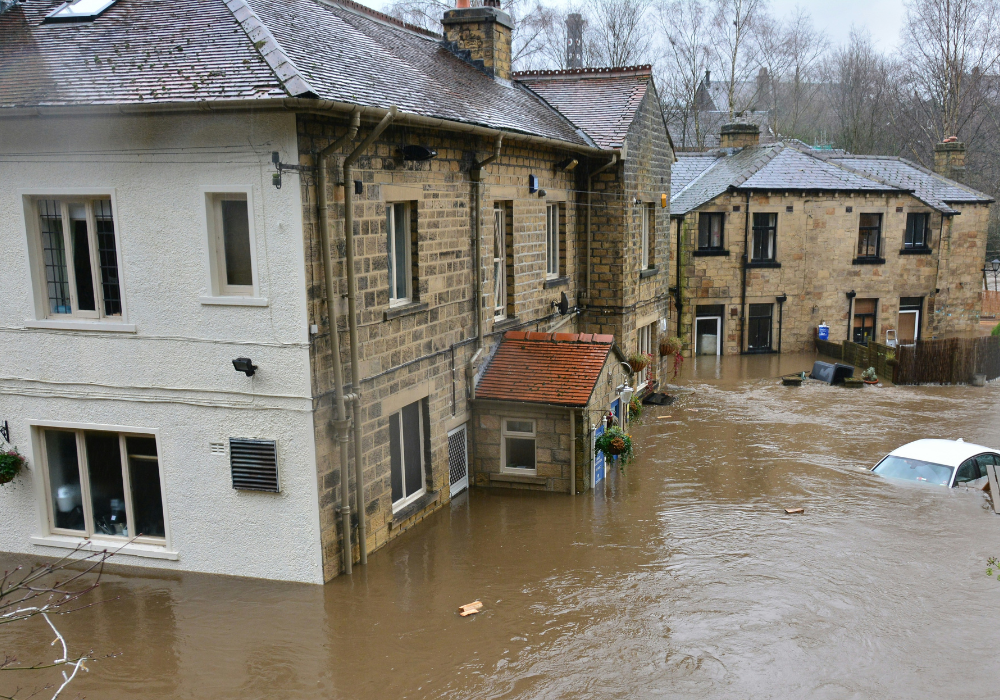
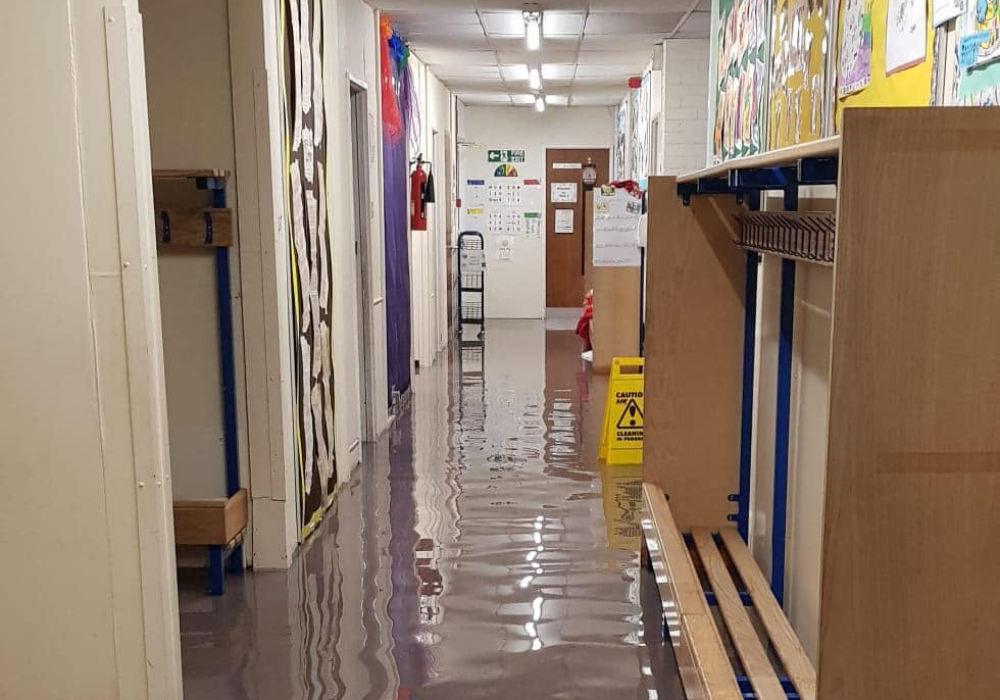
Property managers often have to coordinate the interests of owners, landlords, residents, tenants, insurers, maintenance contractors and leaseholders while still dealing with the immediate building problem. Water may travel between floors, a roof leak may affect several occupiers, mould may be reported repeatedly, or a fire or sewage event may disrupt communal and private areas at the same time.

Humidity Response provides one specialist point of contact for the damage-management stage: investigation, moisture mapping, leak detection, drying, fire/smoke recovery, mould remediation and environmental response. We document what we find and separate the specialist restoration requirement from repair and reinstatement so the property manager can coordinate the wider project with clarity.

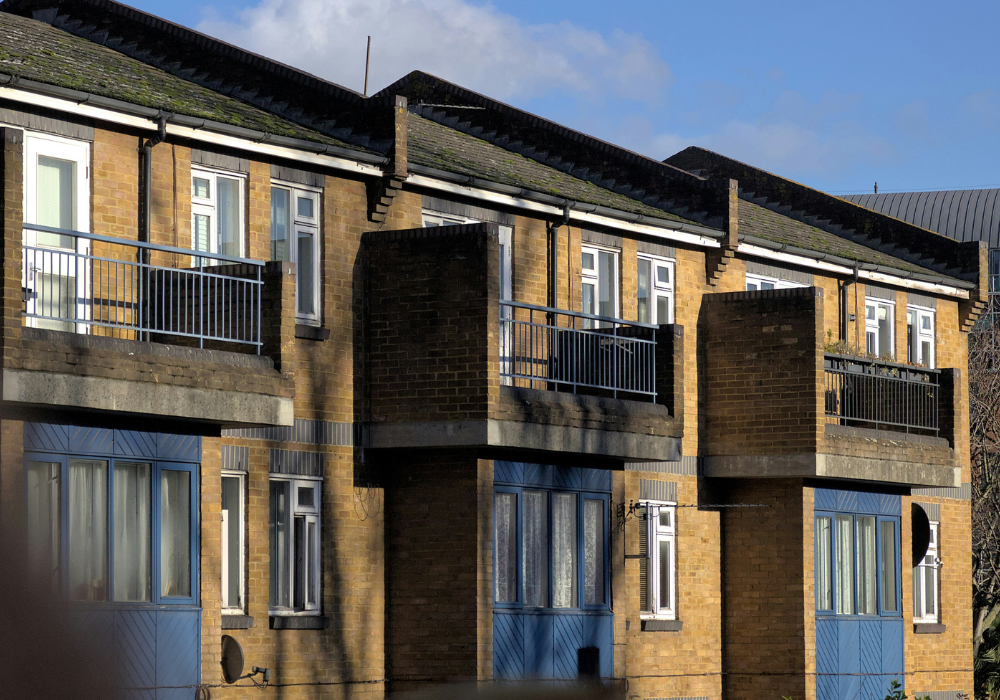
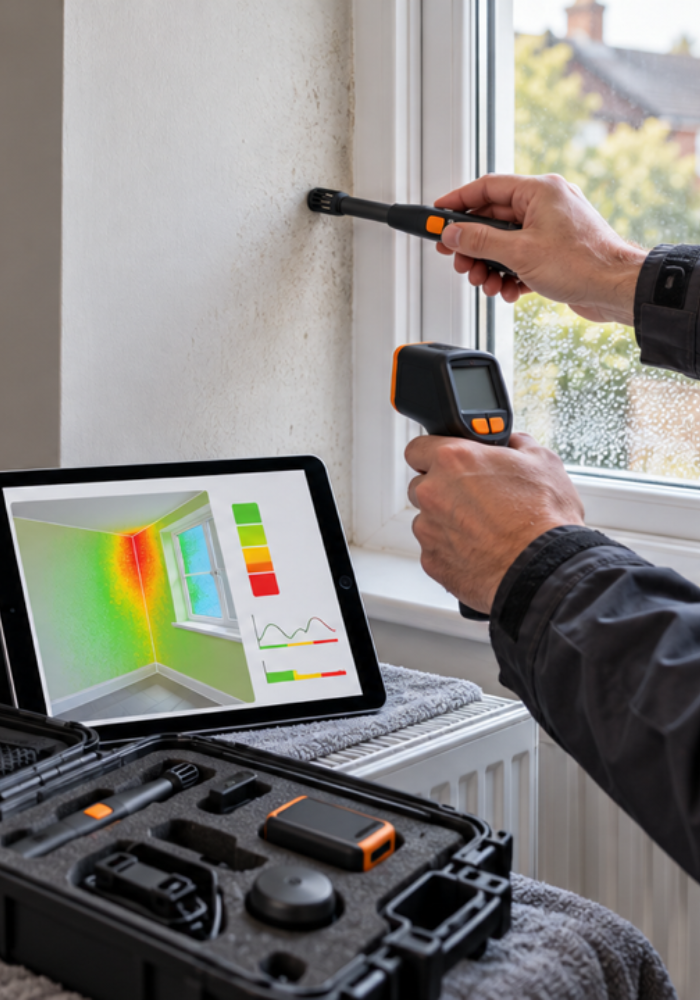
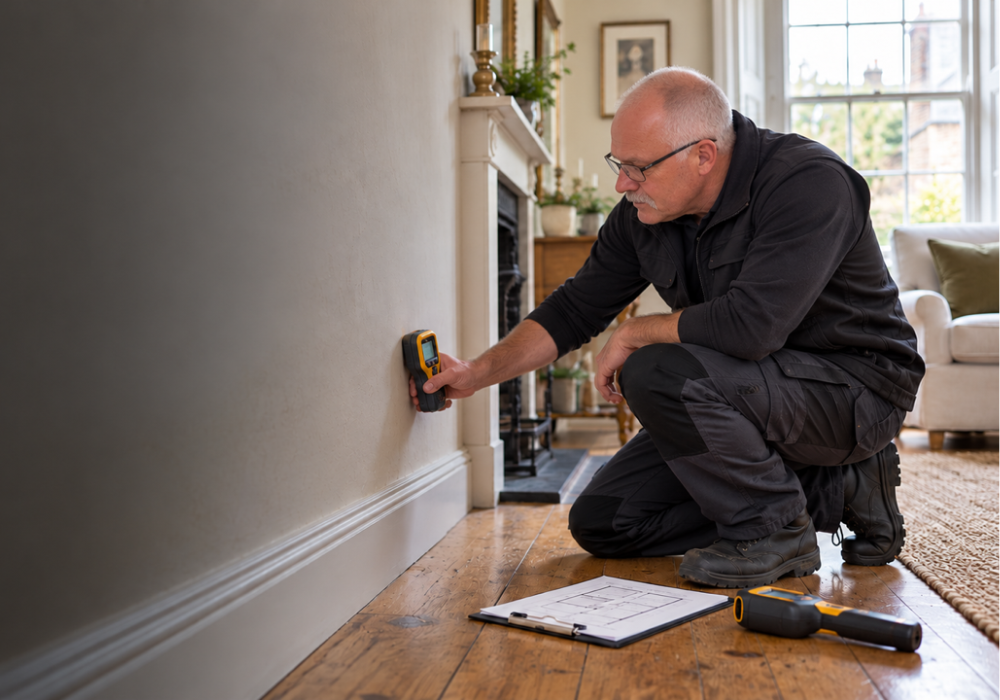
In multi-occupancy buildings, early clarity can prevent confusion about where a problem started and how far it has travelled. A leak may originate in one demise, pass through a floor build-up and appear in another; smoke, odour or contamination can also cross shared spaces. Mapping the physical evidence gives the property manager a stronger basis for coordinating access, insurers and follow-on contractors.
How we support property managers

  • Building-wide thinking. We consider vertical and horizontal moisture migration, communal areas, voids, risers, floor build-ups and adjoining units rather than treating each visible stain as an isolated issue.
  • Access-conscious investigation. Surveys and works can be coordinated across residents, tenants, plant areas, roof spaces and communal zones where access is provided by the client.
  • Clear reporting. Photographs, moisture maps, affected-area information and recommendations support communication with owners, insurers and maintenance teams.
  • Source-led diagnostics. Leak detection, thermal imaging, tracer gas, acoustic methods and flat-roof testing can be selected according to the suspected source and construction.
  • Controlled drying and monitoring. Equipment can be designed around occupied buildings and monitored so the property manager has evidence of progress.
  • Environmental problem solving. Persistent mould, condensation and indoor-environment complaints can be investigated rather than addressed with repeated surface treatment.
  • Specialist response beyond ordinary maintenance. Sewage, biohazard, fire/smoke and oil/fuel incidents can be managed as contamination/restoration events.

Typical managed-property instructions

  • Escape-of-water assessment across multiple flats or units
  • Leak detection and trace-and-access investigation
  • Flat-roof wet/dry electronic leak detection
  • Moisture mapping of communal and private areas
  • Structural drying and remote monitoring
  • Damp, condensation and mould investigation
  • Fire/smoke and odour restoration
  • Sewage contamination response
  • Air-quality testing where technically justified
  • Commercial/common-area drying after major losses

Our managed-property process

1.

Establish the building and stakeholders

We confirm the areas affected, known source, access arrangements and who requires updates.

2.

Trace the extent

Moisture, contamination or smoke migration is assessed beyond the obvious surface damage where the construction suggests hidden spread.

3.

Identify the immediate actions

Source isolation, containment, extraction, controlled removal or temporary drying measures are prioritised where required.

4.

Provide the technical plan

We set out what can be dried or cleaned, what needs further access and which repairs sit outside our restoration scope.

5.

Coordinate monitoring and access

Visits and remote data are scheduled around the project and occupants as far as practical.

6.

Handover for repair/reinstatement

Completion information identifies when our specialist phase is complete and what remains for other contractors.

Frequently asked questions

Can you investigate a leak affecting several flats?

Yes. We can map the moisture and use appropriate leak-detection methods to establish likely source and migration. Access to all relevant areas is important where the pathway crosses multiple units.

Can you test flat roofs?

Yes. Depending on the membrane and roof build-up, wet or dry electronic leak-detection methods may be suitable. The correct technique depends on roof construction and site conditions.

Can you provide one report for the property manager or insurer?

Yes. The reporting format can be agreed around the instruction and can bring together photographs, readings, affected areas and recommendations from multiple parts of the building.

Can equipment remain in occupied areas?

Often yes, but placement needs to consider safety, noise, access, electrical supply and occupant requirements. Some situations may require different controls or temporary restrictions.

Can you help with recurring mould complaints?

Yes. We can investigate moisture sources, condensation risk, environmental conditions and building factors so the cause is better understood before remediation or repair decisions are made.

Do you carry out the final decorative repairs?

Our core scope is the specialist investigation, restoration and drying stage. Reinstatement or decoration can be handed to the property manager’s appointed contractor once the relevant technical stage is complete.

Accreditations, Memberships and Professional Training

01_pqs
02_cqms
ICO_Logo_Blue
OnceForAll_-_Full_colour_RGB-scaled
05_safecontractor
06_ssip_smas_existing_website
07_builders_profile
08_citb
09_bdma_existing_website
10_iicrc_existing_website
11_pmii
Screenshot 2026-10-12 at 20.21.30
13. Dewpoint Tech Logo OCT26
14_trading_standards_checked
15_nasc_existing_website
15_nasc_scalable_alternative
16_cscs
17_bwca_small_icon