24 HOUR EMERGENCY RESPONSE: Call 0800 5999 009 or email info@humidityresponse.uk

Smoke Damage Restoration

Smoke and soot restoration beyond the visible fire damage

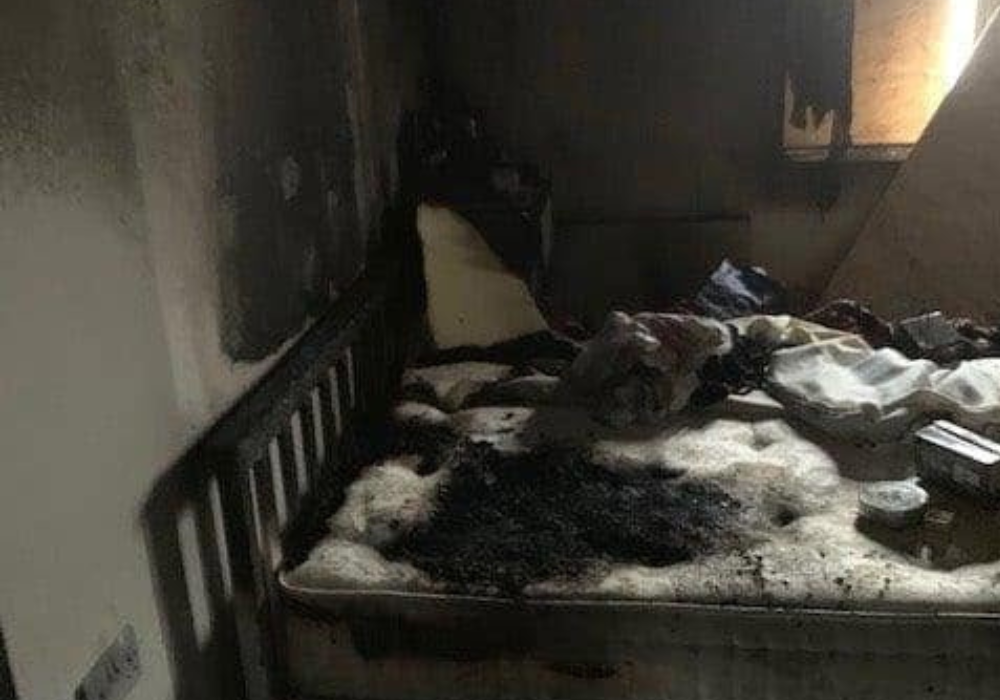
Smoke damage can extend far beyond the room where a fire occurred. Fine particulate, soot and condensed combustion residues can move through doorways, stairwells, ceiling voids and ventilation routes before depositing on walls, ceilings, floors, furnishings, equipment and other contents. A room can therefore appear untouched by heat while still requiring professional assessment and cleaning.

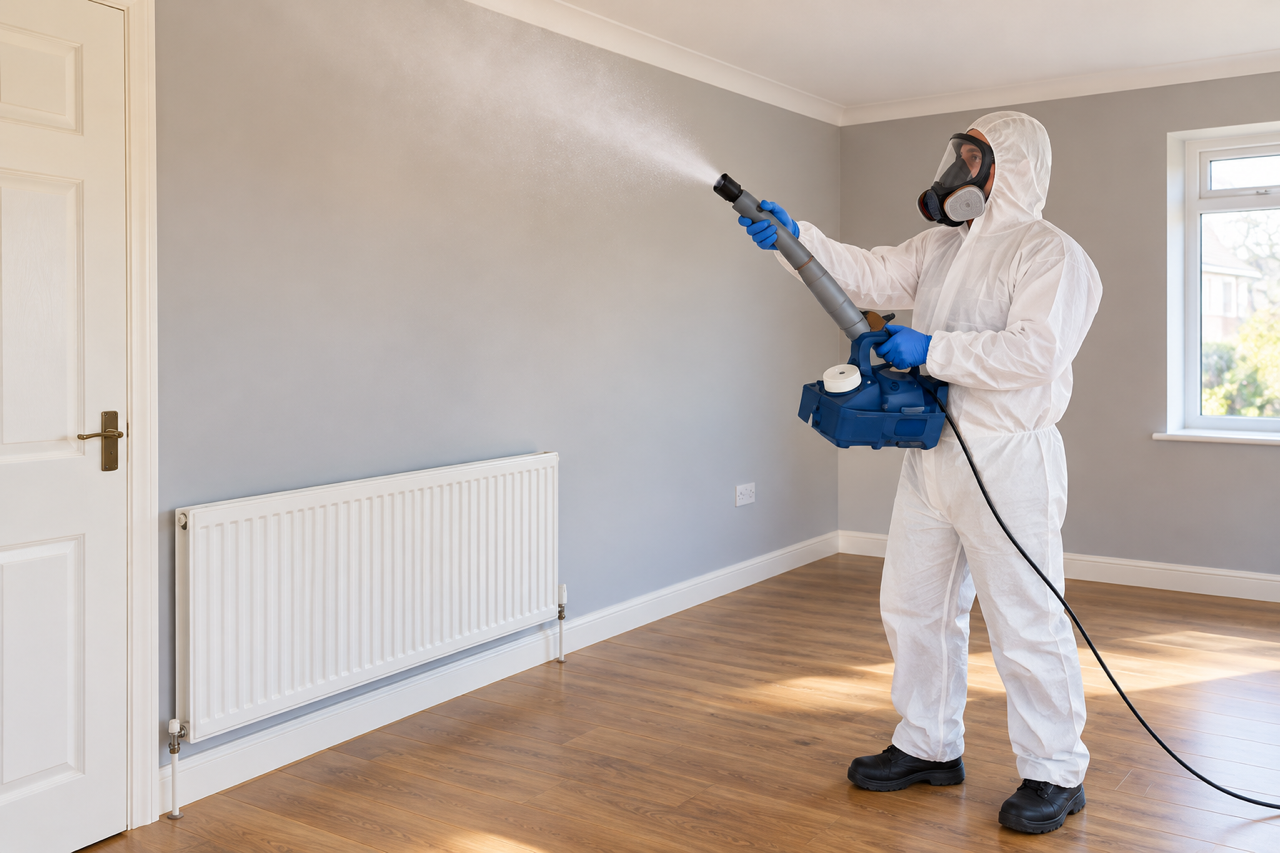
Humidity Response provides smoke damage restoration for domestic and commercial properties following localised or major fire events. We assess where smoke has travelled, identify the surfaces and materials affected, control unnecessary spread during the works, remove loose particulate and deposited residues using methods appropriate to the substrate, and integrate odour management with the cleaning process. The aim is to restore recoverable areas without creating additional damage through over-cleaning, incorrect chemistry or uncontrolled disturbance of soot.

Why choose Humidity Response

Circle

Boundary-led assessment

We look beyond the visibly burned area to identify smoke migration and determine where restoration work is actually required.

Circle

Material-specific cleaning

Painted walls, metals, plastics, glass, timber, textiles and porous finishes respond differently to smoke and cleaning agents; the method is selected accordingly.

Circle

Particulate-control measures

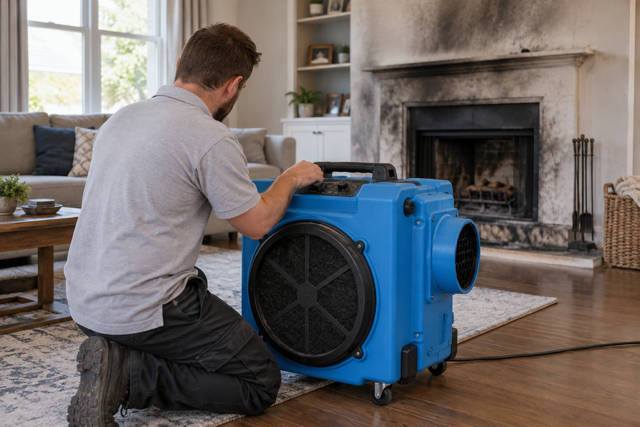
HEPA-filtered vacuuming, air management, containment or other controls may be used where appropriate to reduce re-aerosolisation and cross-contamination.

Circle

Odour treated with the source

We integrate cleaning and odour management rather than attempting to mask smoke smells with fragrance alone.

Circle

Protection of vulnerable assets

Metals, electrical items and sensitive contents can be prioritised where smoke deposition or environmental conditions create a risk of secondary deterioration.

Circle

Clear technical records

The affected areas, cleaning decisions and any limitations or specialist referrals are documented for the client and claim stakeholders.

Our smoke damage restoration process

1.

Establish the affected boundaries

We inspect the fire area and surrounding rooms, considering visible deposits, odour, air pathways, HVAC operation and the pattern of smoke movement through the building.

2.

Assess residue and substrate

The character of the deposit and the material beneath it are considered before cleaning. Test cleaning may be used on suitable surfaces to determine the least aggressive effective method.

3.

Set up contamination controls

Access, work zones, air movement and cleaning sequence are planned to reduce transfer of soot from contaminated areas into cleaner parts of the property.

4.

Remove loose particulate

Where appropriate, dry particulate is removed using controlled HEPA-filtered vacuuming or other low-disturbance methods before wet cleaning is introduced.

5.

Detailed surface cleaning and odour treatment

Remaining residues are cleaned using products and techniques suited to the material. Odour sources are addressed as part of the same restoration process, with further deodorisation considered only where required.

6.

Review and document

Cleaned areas are visually reviewed, residual odour is reassessed and any surfaces requiring sealing, replacement, specialist treatment or further work are identified in the completion record.

Technical information

Smoke is a mixture of gases, vapours and fine particles generated by combustion, while soot is the deposited carbonaceous and associated particulate that can settle onto surfaces. The exact residue from a building fire varies significantly. A hot, well-ventilated fire involving one material may leave a very different deposit from a low-oxygen fire involving plastics, cooking oils, furnishings or mixed building contents.

This matters because restoration is not a single cleaning product or technique. Some deposits are relatively dry and can be disturbed easily; others are tacky, oily or strongly bound to the surface. Introducing water or aggressive wiping too early can create smearing or drive contamination into porous materials. Professional cleaning normally works from the least disruptive appropriate method toward more intensive treatment as required.

Smoke can also enter porous materials such as unsealed timber, plaster, fabrics and insulation. Even after visible surface deposits are removed, absorbed residues may continue to produce odour. Some materials can be cleaned and deodorised; others may require sealing or removal if contamination cannot be restored to an acceptable condition. The decision depends on the material, degree of impact, intended use and economics of restoration.

HVAC and air-conveyance systems deserve separate consideration where they were operating during the fire or are located within the affected zone. The presence of visible residues, odour, filters and air-flow pathways can help determine whether specialist inspection or cleaning of the system is required. The main system should not be used to distribute contamination simply to ventilate the property.

Typical applications

  • Smoke migration from a localised kitchen or appliance fire
  • Soot deposits across adjoining rooms and circulation areas
  • Commercial smoke contamination without extensive structural burning
  • Smoke-affected walls, ceilings, joinery and hard surfaces
  • Contaminated furnishings and selected recoverable contents
  • Properties with persistent post-fire smoke odour
  • Insurance claims requiring documented smoke-cleaning scope

Frequently asked questions

Can smoke damage rooms that were nowhere near the flames?

Yes. Smoke can travel through open doorways, pressure differences, stairwells, service routes and ventilation systems, so areas with no direct heat damage may still receive soot deposits or odour.

Is all soot the same?

No. Residue characteristics depend on what burned and the fire conditions. This is why test cleaning and material-specific methods are important rather than using the same product on every surface.

Can I just paint over smoke staining?

Usually the contamination should be assessed and appropriately cleaned first. Painting directly over residues can leave odour or adhesion problems and may not address contamination within the underlying material. Some surfaces may later require a suitable sealer as part of reinstatement.

Will smoke odour disappear once the visible soot is cleaned?

Sometimes, but not always. Odour can remain in porous materials or concealed contamination. We reassess after source cleaning and then decide whether further deodorisation, sealing or removal is required.

Do ventilation ducts need cleaning after every fire?

No. The need depends on whether the system or air pathways were affected. Where evidence suggests smoke entered the HVAC or air-conveyance system, specialist inspection and cleaning may be recommended.

Can smoke-damaged contents be saved?

Many items can be candidates for restoration, but the answer depends on the material, heat exposure, contamination level, value and specialist cleaning requirements. Delicate, electrical or high-value items may need referral to an appropriate contents-restoration specialist.

Accreditations, Memberships and Professional Training

01_pqs
02_cqms
ICO_Logo_Blue
OnceForAll_-_Full_colour_RGB-scaled
05_safecontractor
06_ssip_smas_existing_website
07_builders_profile
08_citb
09_bdma_existing_website
10_iicrc_existing_website
11_pmii
Screenshot 2026-10-12 at 20.21.30
13. Dewpoint Tech Logo OCT26
14_trading_standards_checked
15_nasc_existing_website
15_nasc_scalable_alternative
16_cscs
17_bwca_small_icon