24 HOUR EMERGENCY RESPONSE: Call 0800 5999 009 or email info@humidityresponse.uk

Controlled fire and smoke decontamination for retained building materials

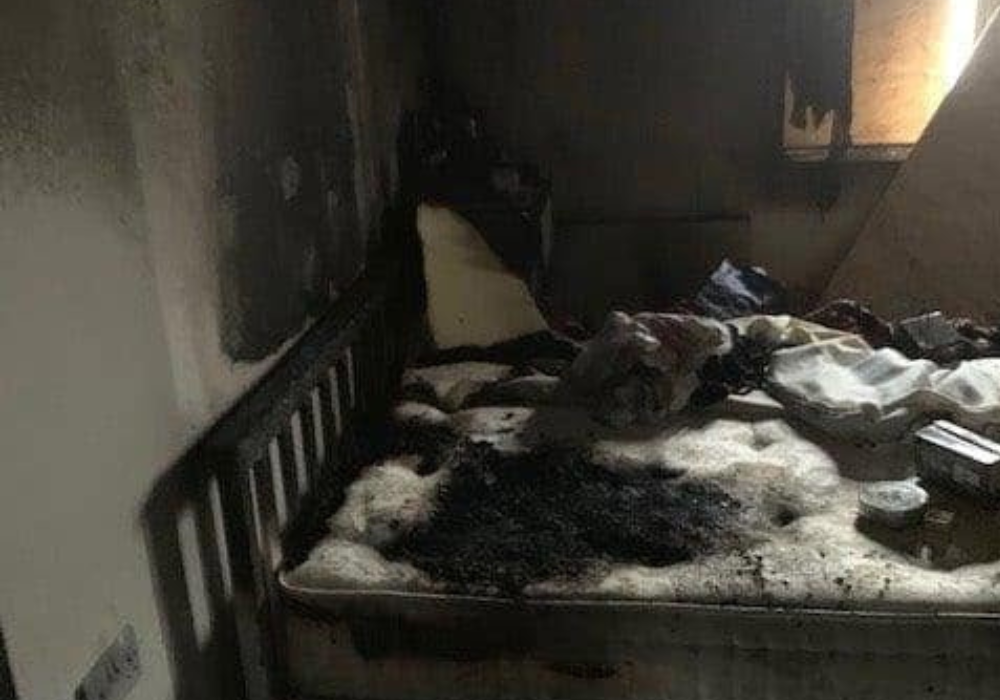
Fire decontamination is more than making a surface look clean. Smoke and combustion residues can settle across large areas, lodge in textured or porous materials, transfer from dirty to clean zones during the works and continue to create odour or secondary deterioration if the source is not properly addressed. A professional decontamination plan therefore considers the contamination, the surface, the building environment and the way the work itself will be controlled.

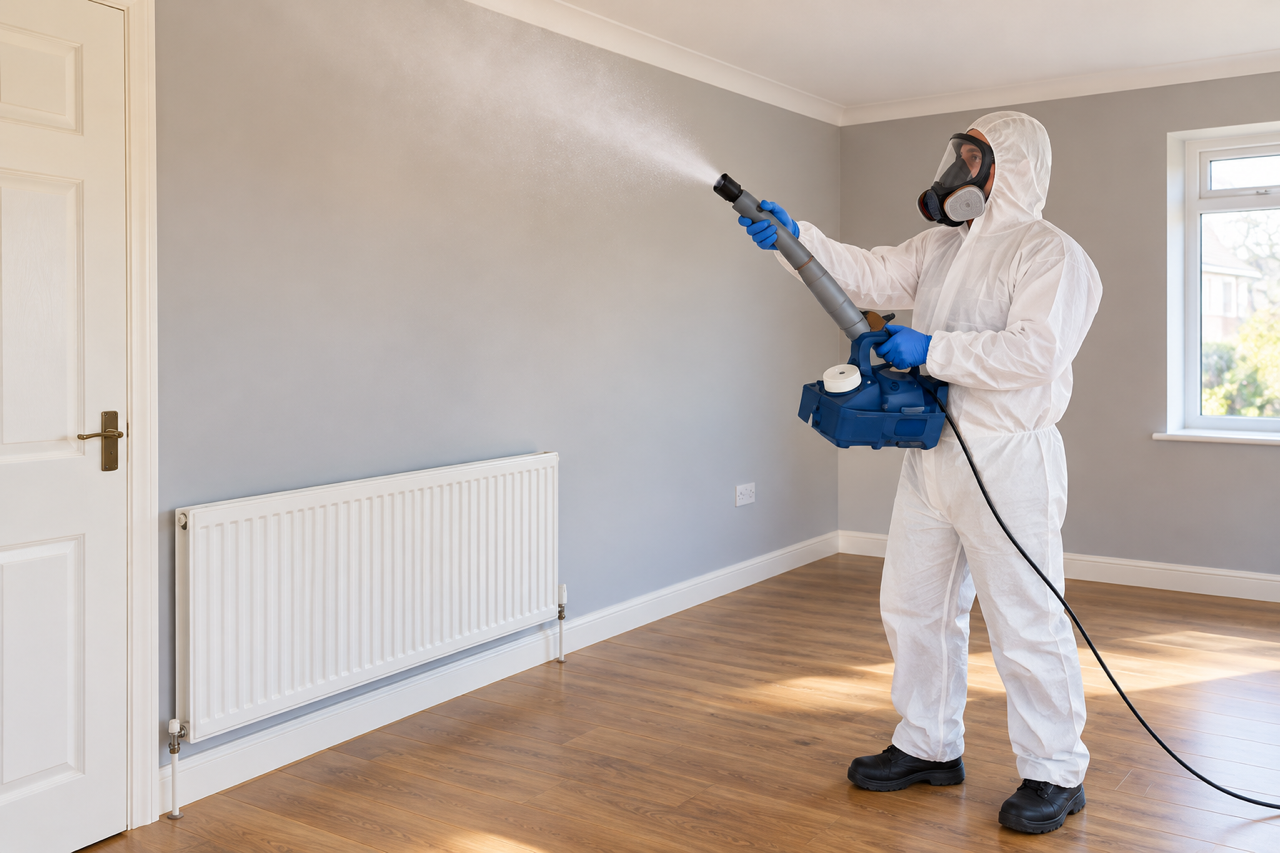
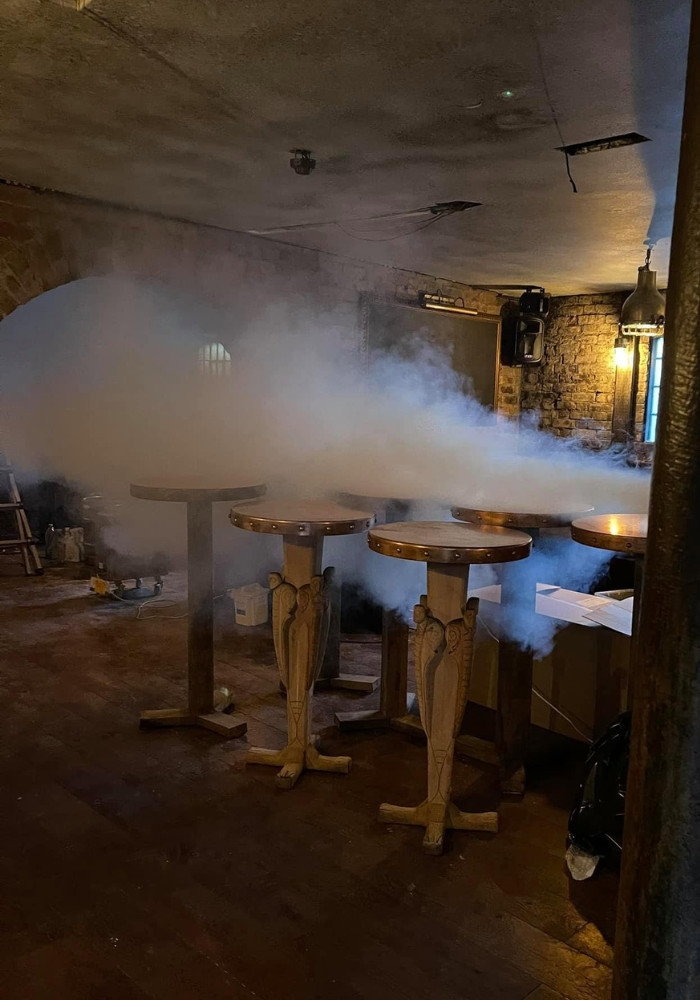
Humidity Response undertakes fire and smoke decontamination as part of the restoration process. We establish the affected area, define the working method, segregate or contain zones where appropriate, remove non-restorable source materials, reduce loose particulate, clean retained surfaces using compatible techniques and manage contaminated waste. PPE/RPE and engineering controls are selected from the risk assessment, and the completed work is reviewed against the agreed restoration scope rather than relying on a generic chemical treatment.

Why choose Humidity Response

Circle

Risk-led work planning

The method is based on the fire event, affected materials, residues, occupancy, access and any known or suspected hazardous materials.

Circle

Cross-contamination control

Work zones, sequence, equipment movement and waste routes are planned so restoration activity does not unnecessarily spread soot into cleaner areas.

Circle

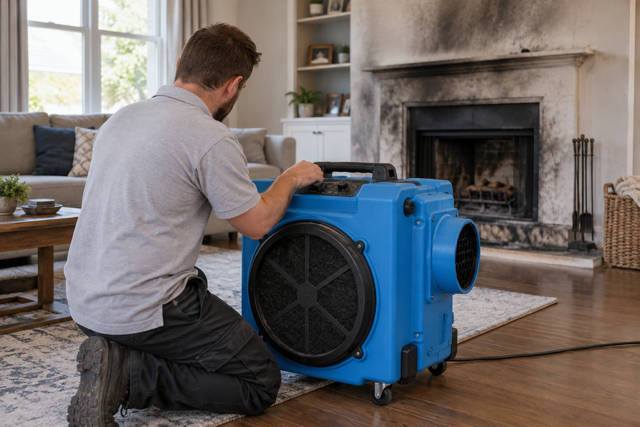
HEPA-filtered particulate control

HEPA vacuuming and air scrubbing can be incorporated where appropriate to control loose particulate and airborne dust generated by the restoration works.

Circle

Compatible cleaning methods

Products, agitation and rinsing are selected for the substrate and residue; aggressive wet cleaning is not automatically appropriate for every surface.

Circle

Controlled removal and waste handling

Materials that cannot be safely or economically restored are removed under an appropriate method and handled in accordance with the incident and waste requirements.

Circle

Documented scope and limitations

We record what has been cleaned, what could not be restored, any areas requiring specialist input and the recommendations for the next stage.

Our fire decontamination process

1.

Assessment and work-plan development

We identify the affected zones, materials, visible and suspected residues, access constraints and any conditions requiring specialist advice before disturbance.

2.

Segregation and engineering controls

Where appropriate, the work area is separated from unaffected areas and air-management measures are established to reduce unnecessary particulate migration during cleaning or removal.

3.

Source removal

Debris, heavily damaged components and other non-restorable materials that continue to hold contamination are removed where authorised and appropriate, with salvageable items protected or referred for specialist treatment.

4.

Dry particulate reduction

Loose soot and dust are reduced using HEPA-filtered vacuuming, air scrubbing or other controlled techniques suited to the area before more intensive cleaning is undertaken.

5.

Detailed surface decontamination

Retained building materials are cleaned using methods selected for the residue and substrate. The process may involve repeated passes, controlled application of cleaning agents and separate techniques for hard, porous, textured or sensitive surfaces.

6.

Post-restoration review

Cleaned areas are inspected and residual odour, visible deposits, moisture and any outstanding limitations are reviewed. Further specialist testing or verification can be recommended where the incident, client or risk assessment requires it.

Technical information

The term decontamination describes the controlled reduction or removal of unwanted residues; it does not mean applying one disinfectant or universal chemical to every surface. Fire residues can contain fine particulate and complex combustion products whose composition varies with the materials burned and fire conditions. The restoration method therefore starts with assessment and source control.

Cleaning sequence is important. Loose dry soot is generally better reduced before wet chemistry is introduced, because unnecessary agitation or liquid can spread residues or drive them deeper into porous surfaces. HEPA-filtered equipment can support particulate removal and air management, but an air scrubber does not replace the need to clean contaminated surfaces and remove source materials.

Porosity and material condition influence whether an item can be retained. Smooth sealed surfaces may respond well to detailed cleaning, while severely heat-damaged, delaminated or deeply contaminated porous materials may not be economically restorable. The decision also considers the intended use of the building and whether the material can be accessed sufficiently to complete the work.

Fire-damaged buildings may also contain pre-existing regulated materials that become exposed or disturbed during the incident. If asbestos-containing material or another regulated hazard is suspected, appropriate specialist assessment and legal controls are required before the restoration scope is disturbed. COSHH assessment, suitable PPE/RPE and effective engineering controls remain part of the working method for the substances and tasks involved.

Where firefighting water has mixed with soot, debris or other fire residues, the contamination and moisture components are assessed together. Wet materials may require selective removal, cleaning and structural drying, with waste or run-off managed according to the site-specific risk rather than treated as ordinary clean water.

Typical applications

  • Soot-contaminated walls, ceilings, floors and joinery
  • Smoke-affected communal areas, schools and offices
  • Fire-damaged commercial and industrial environments
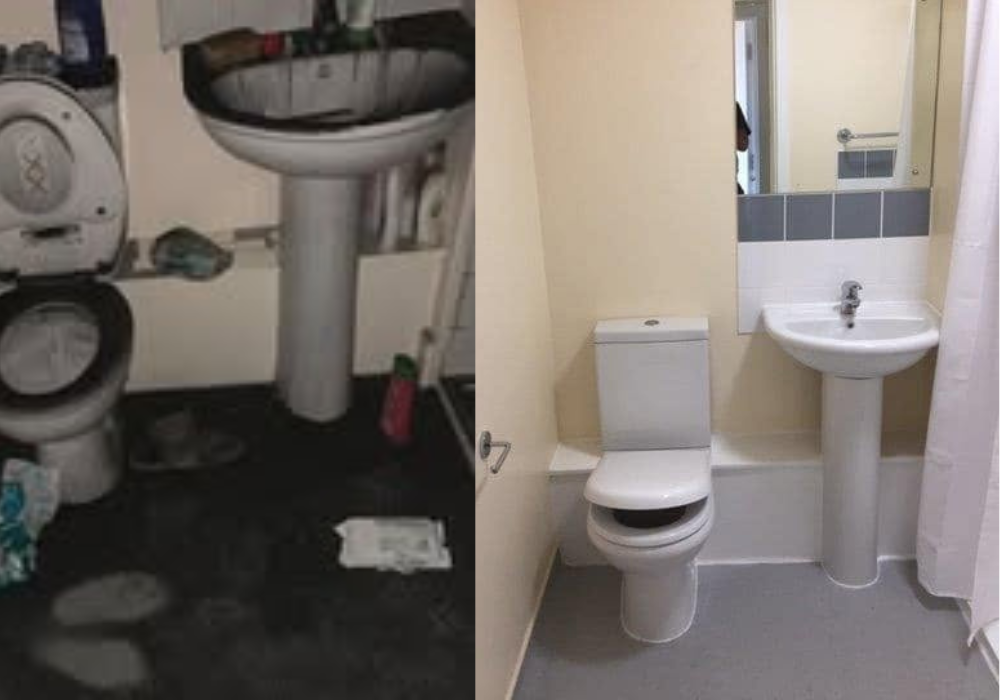
  • Post-fire cleaning before reinstatement or redecoration
  • Areas affected by both smoke residue and firefighting water
  • Controlled cleaning around salvageable fixtures and building components
  • Insurance losses requiring a documented decontamination methodology

Frequently asked questions

What is the difference between fire cleaning and decontamination?

Cleaning describes the physical removal of soil and residues. Decontamination places that cleaning within a controlled restoration process that also considers affected boundaries, source removal, cross-contamination, PPE/RPE, waste, air management and the intended end condition.

Do you use HEPA equipment on every fire?

Not automatically. HEPA-filtered vacuuming or air scrubbing is useful for many particulate-control tasks, but the equipment and controls are selected to suit the individual loss and the work being carried out.

Can every smoke-contaminated material be decontaminated?

No. Some materials may be too badly heat-damaged, too porous, inaccessible or uneconomic to restore. We assess whether cleaning is appropriate and identify when controlled removal or specialist restoration is the better option.

Do you use chemicals to neutralise all fire residues?

There is no single chemical that is appropriate for every fire or every material. Cleaning products and methods are selected according to the residue, substrate and risk assessment, and source removal remains fundamental.

Can you prove that every hazardous substance has been removed?

A normal restoration clean should not be described as proving the absence of every possible chemical. Where the incident, regulated materials, occupancy or client requirements call for specialist testing or clearance criteria, the appropriate specialist assessment should be agreed as part of the scope.

Will people need to leave the property during decontamination?

That depends on the extent and location of the works, the control measures, chemicals or equipment being used and the occupancy of the building. Access restrictions and any re-entry requirements are established in the site-specific method.

Accreditations, Memberships and Professional Training

01_pqs
02_cqms
ICO_Logo_Blue
OnceForAll_-_Full_colour_RGB-scaled
05_safecontractor
06_ssip_smas_existing_website
07_builders_profile
08_citb
09_bdma_existing_website
10_iicrc_existing_website
11_pmii
Screenshot 2026-10-12 at 20.21.30
13. Dewpoint Tech Logo OCT26
14_trading_standards_checked
15_nasc_existing_website
15_nasc_scalable_alternative
16_cscs
17_bwca_small_icon