24 HOUR EMERGENCY RESPONSE: Call 0800 5999 009 or email info@humidityresponse.uk

Oil & Fuel Spill Cleanup / Remediation

Rapid oil and fuel spill containment, cleanup and property remediation

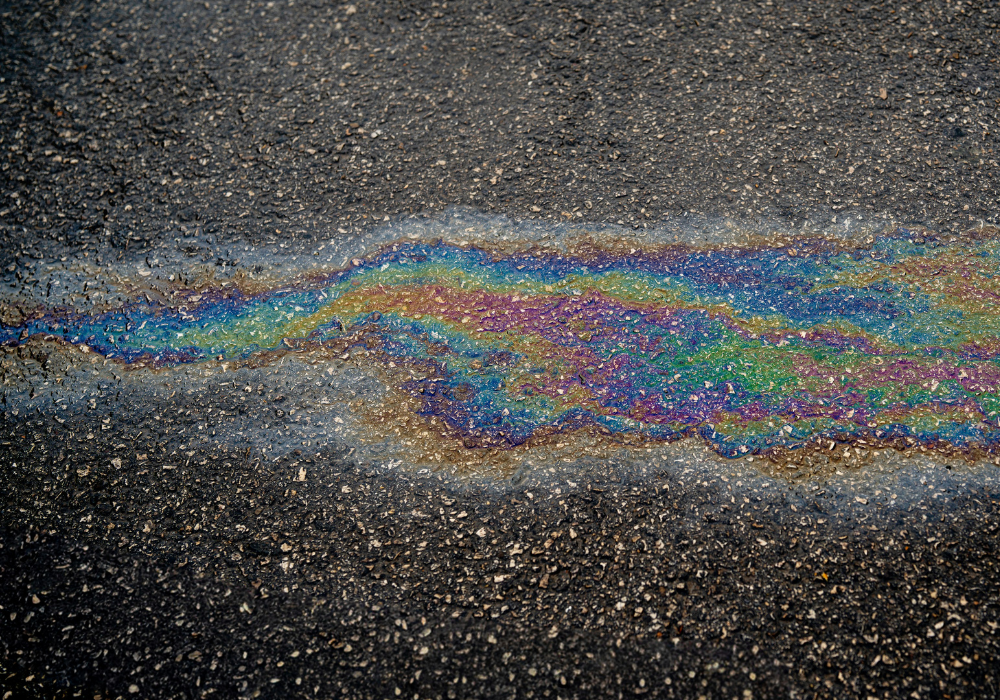
Heating oil, diesel, hydraulic oil and other hydrocarbon spills can spread quickly across hard surfaces, into porous building materials, through drainage systems and into surrounding ground. The visible spill may be only part of the problem: oil can migrate through cracks, screeds, masonry and soil, creating persistent odour and potential environmental damage if it is not contained early.

Humidity Response provides specialist response to oil and fuel spills affecting homes, commercial premises, plant areas, construction sites, hardstanding and building materials. Our first priority is to understand the source, stop further release where safe and practical, protect drains and unaffected areas, then recover or contain free product before it spreads further.

The subsequent remediation strategy depends on what has been affected. A recent hydraulic-oil spill on a sealed warehouse floor is very different from a domestic heating-oil leak that has soaked into soil, masonry or a floor build-up. We therefore distinguish surface cleanup from deeper property or environmental remediation and involve appropriate specialist testing or environmental advice where the contamination pathway extends beyond the direct cleaning scope.

Why choose Humidity Response

Circle

Rapid incident response

Early containment can substantially reduce migration into drains, neighbouring areas, soil and porous building materials.

Circle

Property-restoration expertise

We understand how oil can track through screeds, joints, wall bases, masonry and subfloor materials as well as across visible surfaces.

Circle

Source-led remediation

The process is designed around the oil type, volume, substrate, migration pathway and affected receptors rather than applying one universal chemical treatment.

Circle

Controlled waste management

Absorbents, contaminated debris and removed building materials are contained, classified and transferred through appropriate authorised routes.

Circle

Odour investigation

Persistent fuel odour is treated as evidence that contamination may remain, not simply covered with fragrance.

Circle

Insurance and commercial reporting

Photographs, observations, affected areas and recommendations can support insurers, loss adjusters, property managers and business-continuity decisions.

Our oil and fuel spill response process

1.

Identify the source and immediate risk

We establish what product has been released, whether the source is still active, the approximate extent, nearby drains or water pathways, ignition/slip risks and any areas where the spill may already have migrated.

2.

Stop and contain further spread

Where safe and within scope, the release is isolated or referred to the appropriate service. Absorbent materials, barriers or other containment measures are used to prevent further movement into clean areas, drainage or permeable ground.

3.

Recover free product and contaminated debris

Standing oil, saturated absorbents and heavily contaminated loose materials are collected using an appropriate method. The objective is to remove the bulk source before deeper cleaning is attempted.

4.

Assess the substrate and migration

Concrete, tarmac, screed, masonry, timber, soil and drainage routes behave differently. We assess whether contamination is superficial, absorbed into porous materials or suspected to have moved beneath the visible surface.

5.

Clean, remove or remediate affected materials

Suitable hard surfaces may be treated and cleaned, while heavily saturated porous materials may require controlled removal. Where soil or groundwater may be affected, the project may require environmental sampling, specialist advice or a separate remediation plan.

6.

Verify, manage odour and document

The area is inspected for residual contamination and odour, waste is removed through the appropriate route and the client is advised whether further monitoring, sampling, ventilation, restoration or environmental work is required.

Technical information

Containment is the first technical priority because moving the contamination can make the incident larger. Oil should not be washed indiscriminately with water or detergent into drains, soil or watercourses. Environment Agency guidance for spill response follows the same principle: stop the source where possible, contain the release and collect contaminated absorbents or materials for appropriate disposal.

Hydrocarbon behaviour depends on the product and substrate. Diesel, heating oil and hydraulic oils can wet and penetrate porous materials, migrate through cracks or service penetrations and leave persistent odour even after the visible surface appears clean. The assessment therefore looks for pathways into screeds, insulation, masonry, timber, sub-base and adjoining ground rather than relying only on the original spill footprint.

Surface cleanup and remediation are not the same thing. A recent spill on an impermeable hardstanding may be managed by containment, recovery and specialist cleaning. Contamination that has penetrated soil, groundwater or deep building materials may require a more detailed investigation, sampling, excavation/removal or other specialist remediation method. The Environment Agency’s land-contamination framework is risk-based and expects pollution to soil and groundwater to be managed promptly and effectively.

Waste from an oil spill requires correct classification. Oils are commonly hazardous substances for waste purposes, but the classification of absorbents, soils, building materials and mixtures depends on their properties and contamination. Materials are therefore segregated and transferred under the appropriate waste controls rather than described generically as ordinary rubbish.

Odour can remain when hydrocarbon contamination is trapped within porous materials or voids. Ventilation and deodorisation may support the recovery, but they do not replace source removal. If fuel odour returns after superficial cleaning, the investigation should consider whether contamination remains beneath the surface or has migrated into an adjoining material.

Typical applications

  • Domestic heating-oil and kerosene leaks
  • Diesel spills from vehicles, generators or plant
  • Hydraulic-oil leaks in warehouses, factories and construction environments
  • Fuel spills affecting concrete, tarmac or other hardstanding
  • Oil contamination within garages, service areas and plant rooms
  • Leaks affecting screeds, masonry, timber or floor build-ups
  • Spills near drains, external ground or other environmental pathways
  • Insurance losses requiring documented cleanup and restoration recommendations

Frequently asked questions

What should I do immediately after an oil or fuel spill?

If it is safe to do so, stop the source and prevent the liquid reaching drains, soil or water. Keep people away from slippery or fume-affected areas and use suitable absorbent containment if available. Do not hose the spill away, as that can spread pollution.

Can you clean diesel or hydraulic oil from concrete?

Often yes, but concrete is porous and the success of surface treatment depends on how much oil has penetrated and how long it has been present. Deep saturation may require more than surface cleaning and can involve removal or further remediation.

What if heating oil has soaked into the ground?

Ground contamination requires a different level of assessment from a surface spill. The extent, soil type, nearby buildings and risk to groundwater or surface water need to be considered. Specialist environmental sampling or advice may be required before the remediation strategy is finalised.

Will the smell disappear once the floor is washed?

Not necessarily. Persistent hydrocarbon odour can indicate that contamination remains in porous material, beneath the floor or in another hidden pathway. Odour treatment is most effective after the contaminated source has been removed or remediated.

Is oil-spill waste hazardous?

Oil itself and many oil-contaminated wastes may be hazardous, but classification depends on the waste stream and contamination. The materials need to be assessed, segregated and sent through the appropriate authorised disposal or recovery route.

Can you provide a report for my insurer or property manager?

Where included in the instruction, we can record the spill location, affected materials, photographs, actions undertaken and recommendations for further remediation, repair or specialist environmental investigation.

Accreditations, Memberships and Professional Training

01_pqs
02_cqms
ICO_Logo_Blue
OnceForAll_-_Full_colour_RGB-scaled
05_safecontractor
06_ssip_smas_existing_website
07_builders_profile
08_citb
09_bdma_existing_website
10_iicrc_existing_website
11_pmii
Screenshot 2026-10-12 at 20.21.30
13. Dewpoint Tech Logo OCT26
14_trading_standards_checked
15_nasc_existing_website
15_nasc_scalable_alternative
16_cscs
17_bwca_small_icon