24 HOUR EMERGENCY RESPONSE: Call 0800 5999 009 or email info@humidityresponse.uk

Fire Damage Restoration

Fire damage restoration for homes, businesses and complex losses

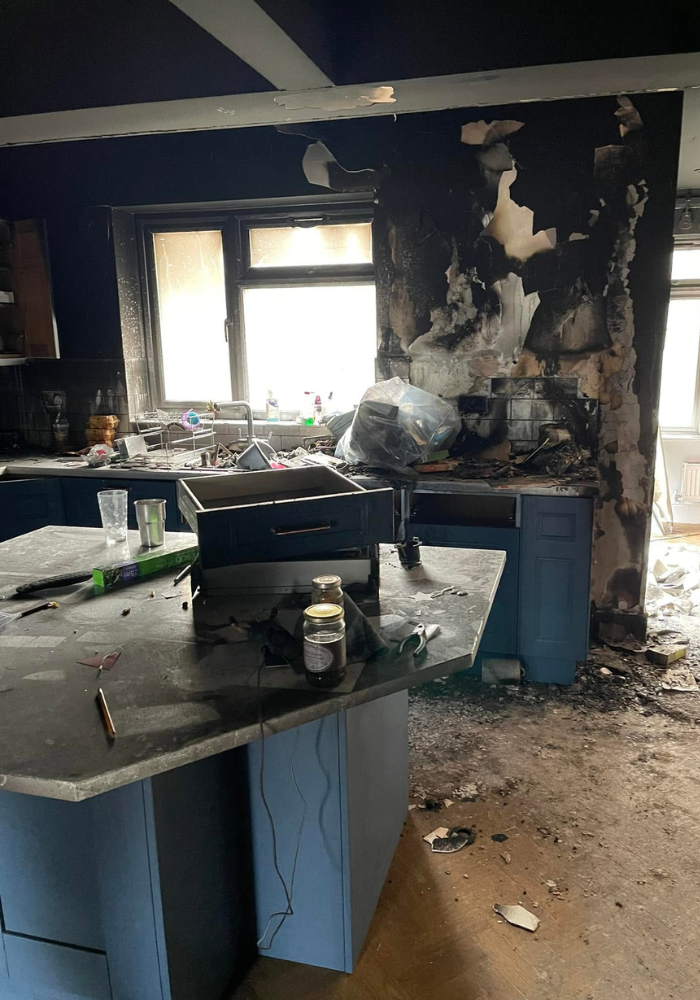
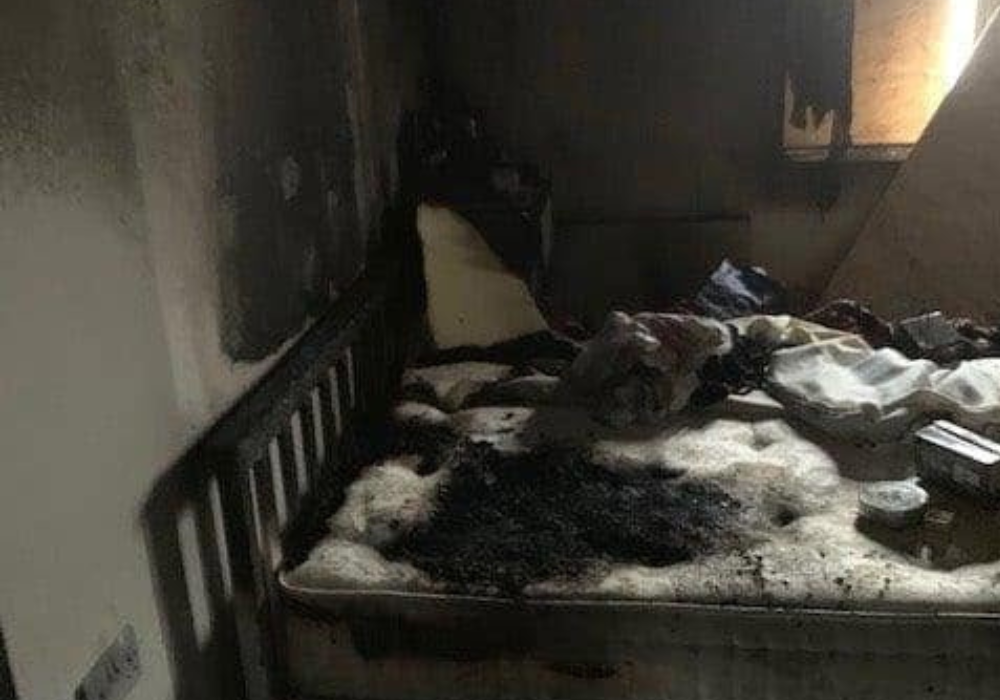
The visible fire damage is only part of the recovery problem. Heat may destroy materials close to the seat of the fire, while smoke, soot and condensed residues can spread through adjoining rooms, settle onto surfaces and contents, and affect sensitive metals or electrical equipment. Firefighting water may also migrate into floors, walls, ceilings and voids. Early assessment is therefore important to identify what needs immediate attention and to reduce avoidable secondary damage.

Humidity Response provides 24/7 fire and smoke recovery for domestic, commercial and insurance-related incidents. Our role is to assess and document the loss, prioritise urgent damage-limitation measures, establish the extent of smoke and water impact, protect salvageable materials, carry out appropriate restoration cleaning and decontamination, and provide the technical information needed for the claim or project to progress. Every fire is treated individually; the restoration plan is based on the materials affected, the residues present, the building environment and the intended outcome.

Why choose Humidity Response

Circle

24/7 emergency response

Early assessment allows urgent risks, secondary damage and vulnerable areas to be identified before deterioration progresses unnecessarily.

Circle

Restoration-led triage

We distinguish between items requiring immediate protection, materials that may be recoverable, and areas that are beyond economical or safe restoration.

Circle

Fire, smoke and water considered together

The building is assessed for direct fire damage, smoke migration, soot deposition, odour and moisture introduced during firefighting rather than treating each in isolation.

Circle

Qualified technical approach

Our team combines restoration knowledge, damage-management experience and appropriate cleaning, drying and contamination-control methods for domestic and commercial losses.

Circle

Insurance-ready documentation

Photographs, observations, scope recommendations, moisture data where relevant and progress information provide a clear record for clients, insurers and loss adjusters.

Circle

Business and property continuity

On commercial, school, public-sector or occupied sites, the recovery plan can be phased around access, operational priorities and the need to release safe areas progressively where appropriate.

Our fire restoration process

1.

Initial safety and loss assessment

We establish whether the property has been released for access, review immediate hazards, confirm the status of utilities and identify areas requiring structural, electrical or other specialist input before restoration work proceeds.

2.

Damage mapping and triage

Fire, smoke, soot, odour and firefighting-water impact are documented. We identify priority materials and contents, areas at risk of secondary deterioration, and items that may require specialist assessment or removal.

3.

Stabilisation and protection

Where appropriate, vulnerable contents and surfaces are protected, environmental conditions are controlled, affected zones are separated, and urgent actions are taken to limit transfer of residues, moisture damage or corrosion.

4.

Source removal, cleaning and decontamination

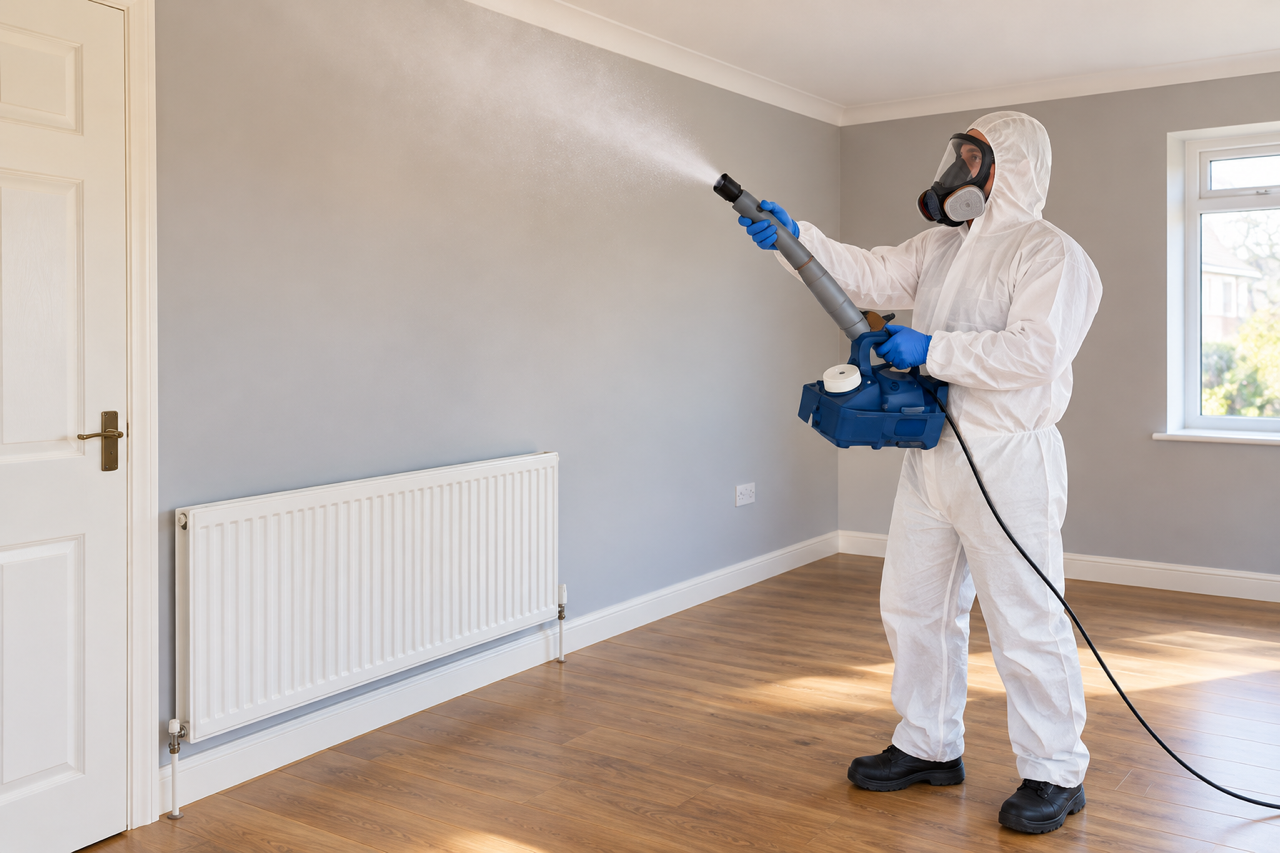
Loose debris and non-restorable source materials are removed under controlled conditions where required. Retained surfaces are cleaned using methods selected for the residue and substrate, with particulate-control measures used to reduce unnecessary redistribution of soot.

5.

Drying and odour management

Where extinguishment water has affected the structure, moisture mapping and specialist drying are introduced. Smoke odour is addressed through source removal, detailed cleaning and further deodorisation methods where the assessment shows they are needed.

6.

Verification and reporting

Restored areas are reviewed against the agreed scope. Moisture conditions, visible residues, odour and outstanding specialist requirements are documented so the property can progress to reinstatement, reoccupation or the next stage of the claim.

Technical information

Fire and smoke residues are not uniform. The characteristics of soot and deposited smoke depend on the materials involved, oxygen availability, combustion temperature, duration of the fire and the way the incident was suppressed. Residues may range from relatively dry particulate to sticky or oily deposits, and inappropriate cleaning can smear contamination, drive residues further into a surface or permanently alter delicate finishes. The cleaning method therefore needs to be matched to both the contamination and the substrate.

Smoke can affect areas beyond obvious burning. Air movement, pressure differences and HVAC systems can transport particulate and odour through a building, while cooler surfaces may collect deposited residues. Assessment should therefore consider adjoining rooms, concealed routes and building systems where the evidence suggests they may have been impacted rather than limiting the scope to visibly blackened areas.

Some fire residues can be corrosive to metals and sensitive electrical or electronic equipment. Humidity and moisture can further influence deterioration, so vulnerable assets may require early isolation, environmental stabilisation or specialist assessment. In selected losses, contamination testing – including chloride-related screening where appropriate – may assist decisions about cleaning and protection; it should not be assumed that every fire requires the same test or that all residues are chemically identical.

Firefighting water can create a significant secondary water-damage component. Moisture may become trapped in screeds, wall linings, insulation, timber, suspended ceilings and voids. Where water damage is present, the affected construction is moisture-mapped and a separate drying strategy is developed using the same evidence-led principles applied to other water losses.

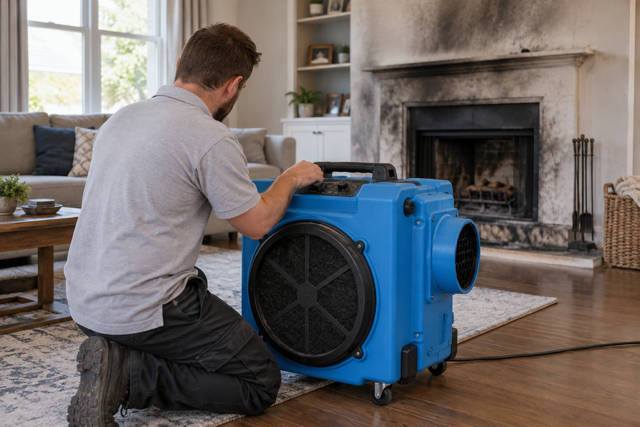
Restoration work may involve engineering controls such as containment, controlled air movement, HEPA-filtered air scrubbing or HEPA vacuuming alongside manual or specialist surface-cleaning methods. PPE and RPE are selected from the risk assessment and the nature of the work. If regulated hazardous materials are suspected – for example asbestos-containing materials within a damaged building – the relevant specialist assessment and legal controls take priority before disturbance.

Typical applications

  • Domestic house and flat fires
  • Commercial and office fire losses
  • Schools, public buildings and managed property
  • Kitchen, appliance and localised room fires
  • Smoke contamination extending beyond the fire compartment
  • Fire losses involving significant extinguishment water
  • Insurance claims requiring technical assessment and documented restoration

Frequently Asked Questions

How quickly should fire restoration start?

As soon as the building is safe and the necessary authority or insurer arrangements allow. Early assessment is valuable because smoke residues, moisture and corrosion risks can continue to cause secondary damage after the fire itself has been extinguished.

Will everything affected by smoke need to be replaced?

No. Restoration depends on the material, severity and type of residue, heat exposure, porosity, value and whether the item can be cleaned safely and economically. The purpose of triage is to identify what can reasonably be retained and what should be removed or referred for specialist restoration.

Do you deal with the water left by the fire brigade?

Yes, where firefighting water has affected the structure. We can map moisture migration and design a drying programme for walls, floors, ceilings, voids and other affected materials.

Can smoke damage electrical equipment even if it was not burned?

Potentially. Deposited smoke and moisture can affect sensitive electrical and electronic equipment even without direct flame damage. Such items should not simply be energised because they look clean; specialist assessment and appropriate electrical safety checks may be required.

Can you work with my insurer or loss adjuster?

Yes. We can provide photographs, observations, technical recommendations, moisture information where relevant and scope documentation to support the claim and communicate with appointed stakeholders.

How long does fire restoration take?

There is no reliable standard duration. Timescales depend on the extent of fire and smoke impact, building size, access, water damage, contents, specialist testing, approvals and the amount of cleaning or removal required. We establish the likely programme once the loss has been assessed.

Accreditations, Memberships and Professional Training

01_pqs
02_cqms
ICO_Logo_Blue
OnceForAll_-_Full_colour_RGB-scaled
05_safecontractor
06_ssip_smas_existing_website
07_builders_profile
08_citb
09_bdma_existing_website
10_iicrc_existing_website
11_pmii
Screenshot 2026-10-12 at 20.21.30
13. Dewpoint Tech Logo OCT26
14_trading_standards_checked
15_nasc_existing_website
15_nasc_scalable_alternative
16_cscs
17_bwca_small_icon