24 HOUR EMERGENCY RESPONSE: Call 0800 5999 009 or email info@humidityresponse.uk

Mould air quality testing with professional spore-trap sampling and laboratory analysis

Air sampling can add useful evidence when a mould investigation needs more than a visual inspection alone. It can help compare airborne mould conditions between rooms, investigate areas where there is concern but limited visible growth, or provide an indoor-to-outdoor comparison at the time of the survey. The value comes from a sensible sampling plan and careful interpretation – not from a single number taken out of context.

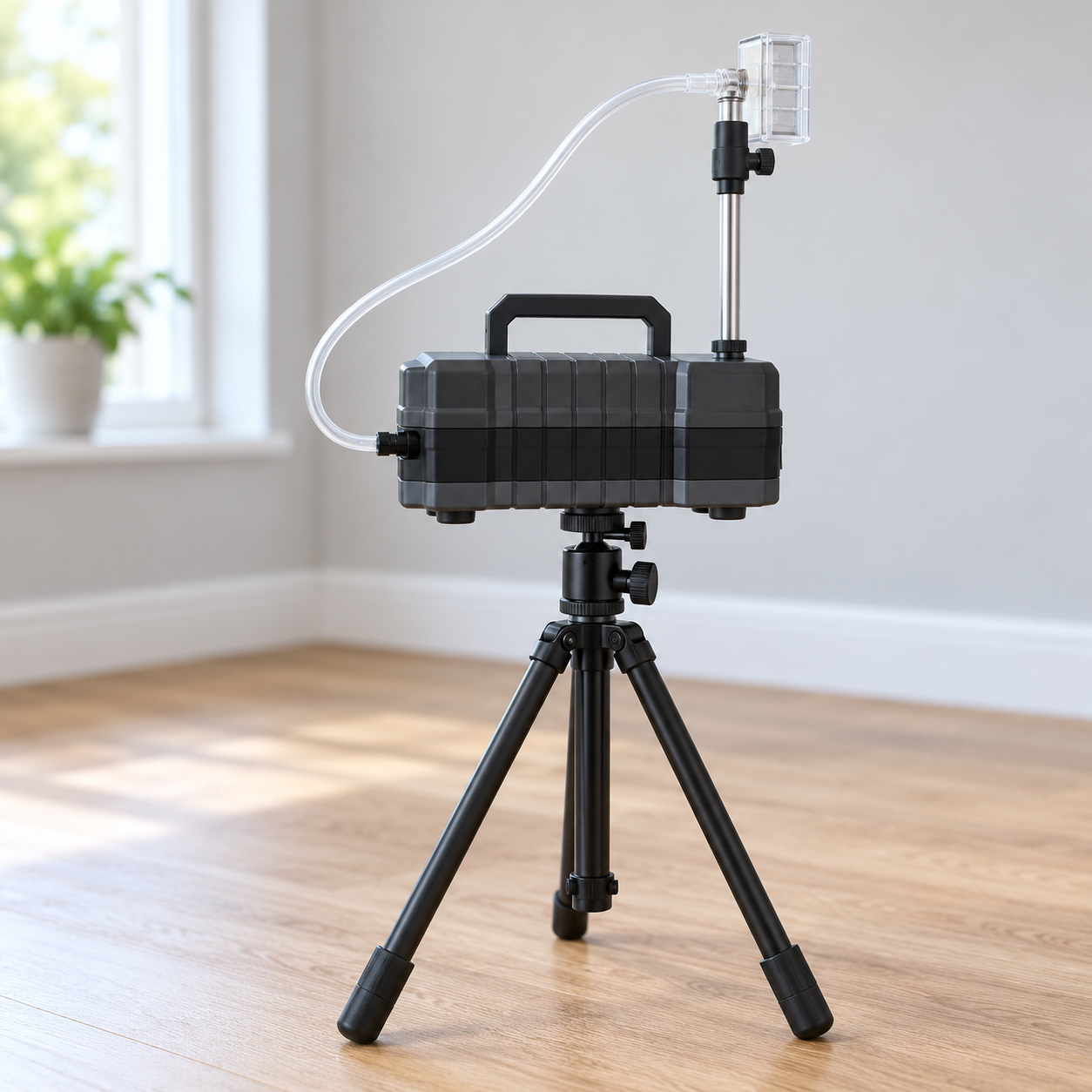
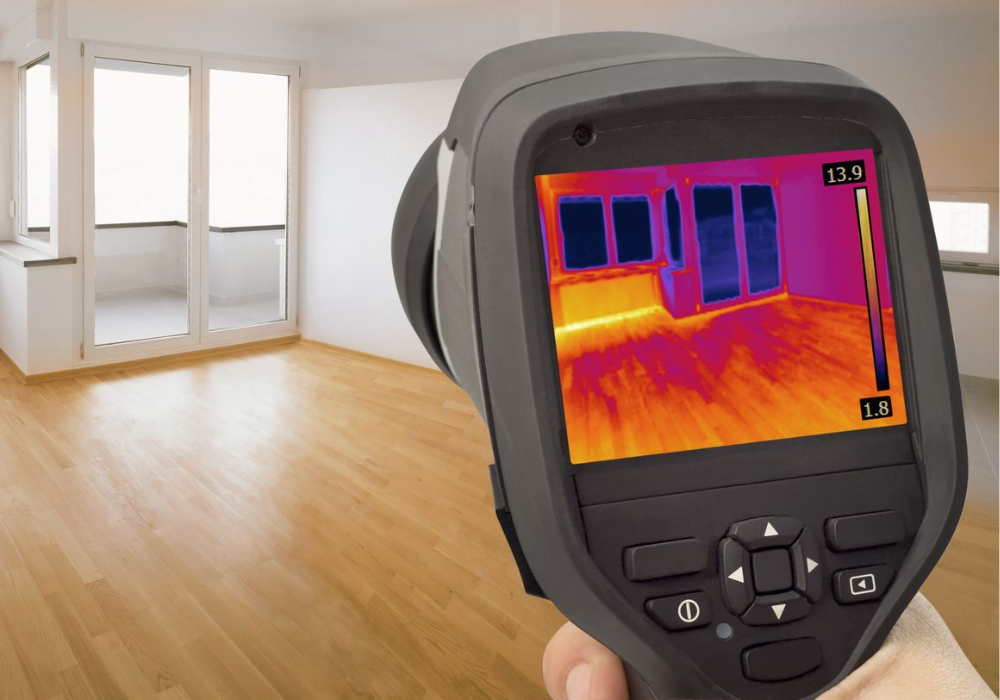
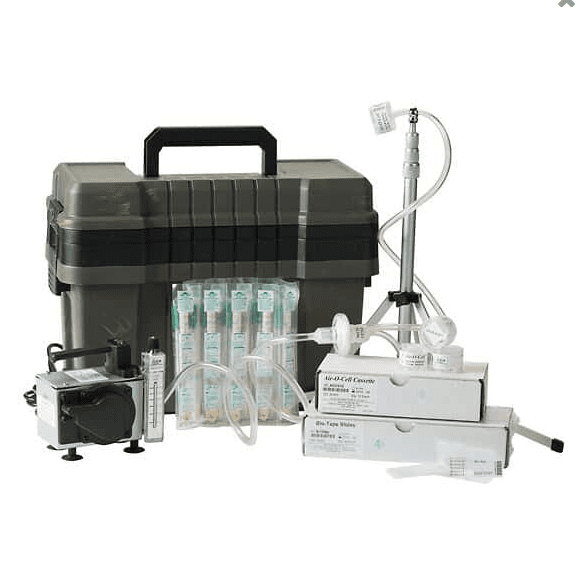
Humidity Response provides mould-related air quality testing using Air-O-Cell® spore-trap cassettes and professional air-sampling equipment. Samples are collected under controlled conditions and submitted for laboratory microscopic analysis. Where appropriate, indoor samples are compared with an external reference sample and the sampling information is considered alongside the moisture survey, temperature and relative humidity, visible conditions and building history. The result is a technical evidence package rather than a simplistic pass-or-fail test.

Why choose Humidity Response

Circle

Sampling linked to the investigation

Air testing is used to answer a defined technical question and is combined with the inspection rather than sold as a stand-alone diagnosis.

Circle

Professional spore-trap equipment

Air-O-Cell® cassettes are designed for rapid collection of airborne particles including mould spores, pollen, fibres and other particulate for laboratory microscopy.

Circle

Indoor and outdoor comparison

An external reference sample can be incorporated where appropriate because outdoor fungal conditions influence what is naturally present indoors.

Circle

Environmental context recorded

Temperature, relative humidity, ventilation, visible growth, recent disturbance and other site conditions are considered when interpreting the laboratory findings.

Circle

Independent laboratory analysis

Collected cassettes are submitted for microscopic examination and reporting rather than visually assessed on site.

Circle

Clear written interpretation

Results can be incorporated into the mould-investigation report with practical recommendations and the limitations of the sampling explained.

Our air quality testing process

1.

Define the question

We establish what the client needs the sampling to help answer: comparison between rooms, investigation of a suspected mould issue, supporting a remediation scope, or agreed post-work assessment.

2.

Select sampling locations

Indoor sample points are chosen to reflect the rooms or zones being investigated. An external reference location may also be selected where comparative interpretation is appropriate.

3.

Record site conditions

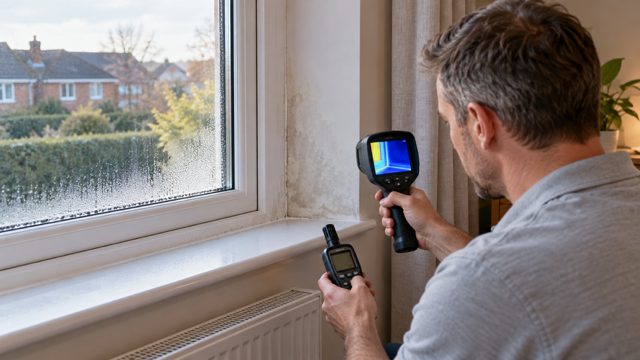
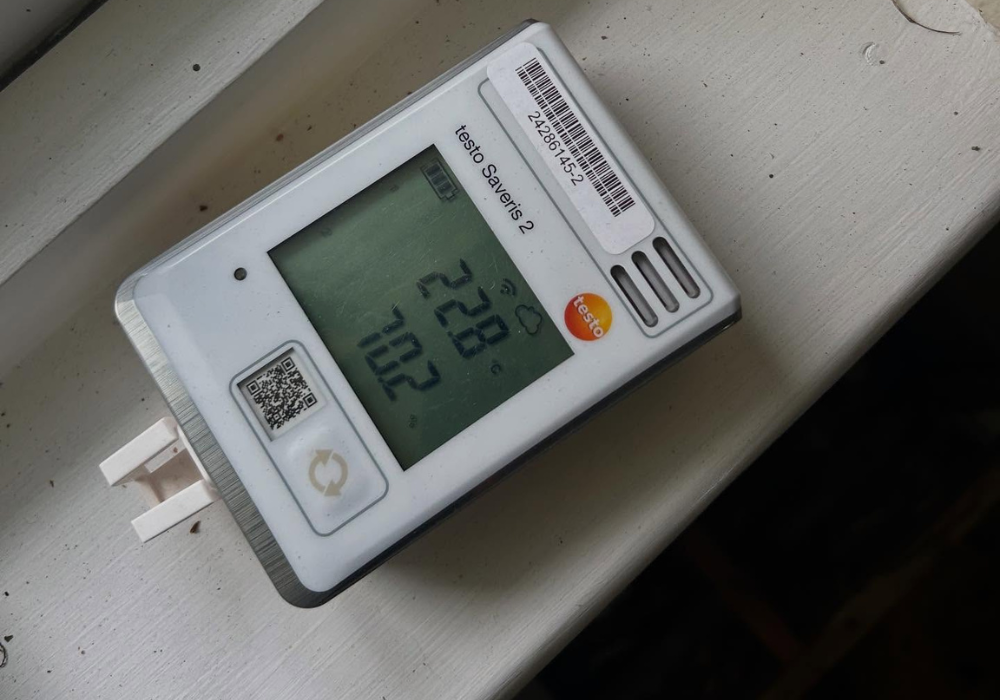
Relevant observations such as visible mould, moisture, temperature, relative humidity, ventilation status, recent cleaning or building disturbance are recorded because these can influence airborne results.

4.

Collect Air-O-Cell® samples

A calibrated area-sampling pump draws a measured volume of air through the single-use cassette so airborne particles impact onto the collection media. Sampling follows the equipment and laboratory requirements for the agreed analysis.

5.

Laboratory microscopy

The sealed cassettes are submitted to the laboratory, where the collected trace is examined microscopically and the reported mould-spore types/groups and concentrations are returned for review.

6.

Interpret and report

The results are considered against the indoor/outdoor relationship, the building inspection and moisture findings. We explain what the samples support, what they cannot prove, and whether further investigation or remediation is recommended.

Technical information

Air-O-Cell® is an inertial-impaction sampling cassette designed to collect a wide range of airborne aerosols on a microscope-compatible collection surface. The manufacturer identifies applications including mould spores, pollen, insect fragments, fibres and other particulate. For mould investigations, the cassette is valuable because it captures airborne fungal structures for direct microscopic analysis without requiring the sample to grow in culture first.

An air sample is a snapshot. Airborne concentrations can change with outdoor weather, windows and doors, ventilation systems, cleaning, movement of people, disturbance of mouldy materials and the time of day. A result should therefore not be read as a permanent measurement of the property or as proof that hidden mould is absent.

Indoor/outdoor comparison can help interpretation because mould spores occur naturally in outdoor air and enter buildings through normal ventilation and movement. The significance of an indoor result depends on the combination of concentration, spore profile, building evidence and whether indoor conditions are consistent with amplification or contamination. There is no single universal spore-count threshold that can by itself classify every property as safe or unsafe.

Mould air sampling is not a medical test. Laboratory results can support a building investigation, but Humidity Response does not diagnose illness or attribute an occupant’s symptoms to a particular sample result. Anyone concerned about health symptoms should seek advice from an appropriate healthcare professional.

Typical applications

  • Comparing mould-spore conditions between affected and apparently unaffected rooms
  • Investigating musty odour where visible growth is limited
  • Supporting complex damp and mould investigations
  • Housing, commercial or school cases requiring documented laboratory evidence
  • Indoor/outdoor comparative sampling
  • Agreed post-remediation sampling where a project requires it
  • Insurance or dispute cases where objective environmental evidence is requested

Frequently asked questions

What does mould air testing actually measure?

It collects airborne particles onto a sampling cassette for laboratory microscopy. The report can describe mould-spore types/groups and estimated airborne concentrations in the sample collected at that location and time.

Does a low result prove there is no mould in the building?

No. Hidden or surface mould may not be releasing significant airborne material at the moment of sampling. Air results must be interpreted with the visual inspection, moisture evidence and building history.

Why do you sometimes take an outdoor sample?

Mould spores are naturally present outdoors and outdoor conditions influence indoor air. An external reference can help the laboratory results be interpreted as a comparison rather than treating every indoor spore as evidence of an indoor source.

Can the test tell whether mould is making me ill?

No. The service assesses the building environment; it is not a medical diagnosis. If you are experiencing symptoms or have concerns about your health, you should speak with a healthcare professional.

How many samples will I need?

That depends on the size and layout of the property and the question being investigated. Sampling locations are agreed to provide useful comparisons without collecting unnecessary samples that do not add technical value.

Can you test after remediation?

Yes, where post-remediation air sampling is part of the agreed project. The timing, sample locations and interpretation criteria should be defined before testing so that the results answer a meaningful question rather than becoming an isolated number.

Accreditations, Memberships and Professional Training

01_pqs
02_cqms
ICO_Logo_Blue
OnceForAll_-_Full_colour_RGB-scaled
05_safecontractor
06_ssip_smas_existing_website
07_builders_profile
08_citb
09_bdma_existing_website
10_iicrc_existing_website
11_pmii
Screenshot 2026-10-12 at 20.21.30
13. Dewpoint Tech Logo OCT26
14_trading_standards_checked
15_nasc_existing_website
15_nasc_scalable_alternative
16_cscs
17_bwca_small_icon