24 HOUR EMERGENCY RESPONSE: Call 0800 5999 009 or email info@humidityresponse.uk

Targeted infection control cleaning with a defined, evidence-led methodology

When an environment requires enhanced cleaning because of a known or suspected infection risk, the process needs to be more structured than routine housekeeping. The correct scope depends on the setting, the organism or exposure concern, the surfaces involved and the client’s infection-prevention requirements.

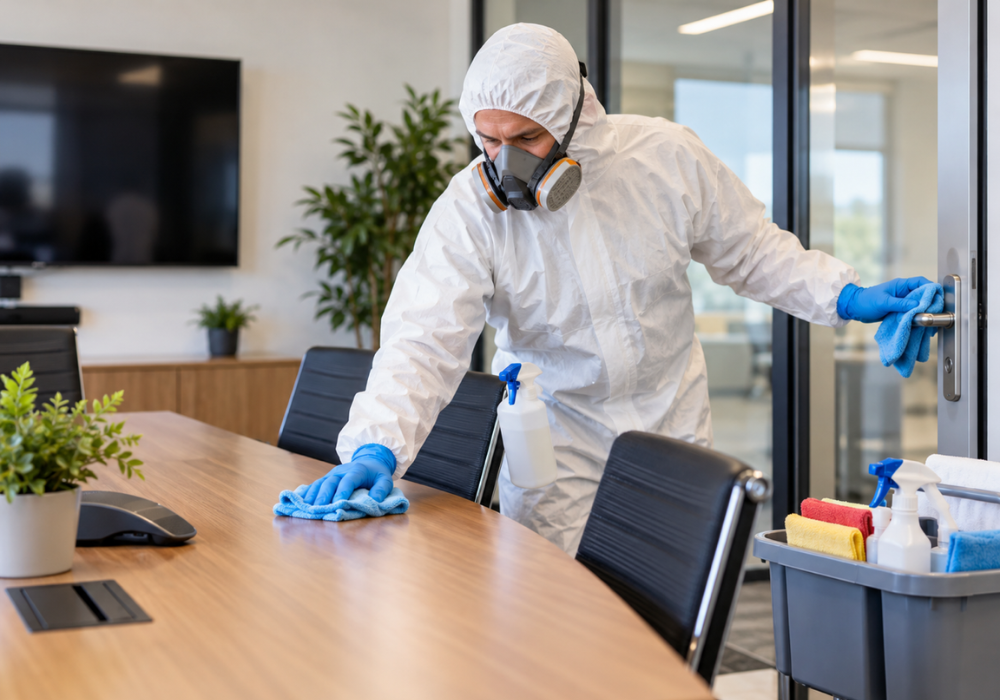
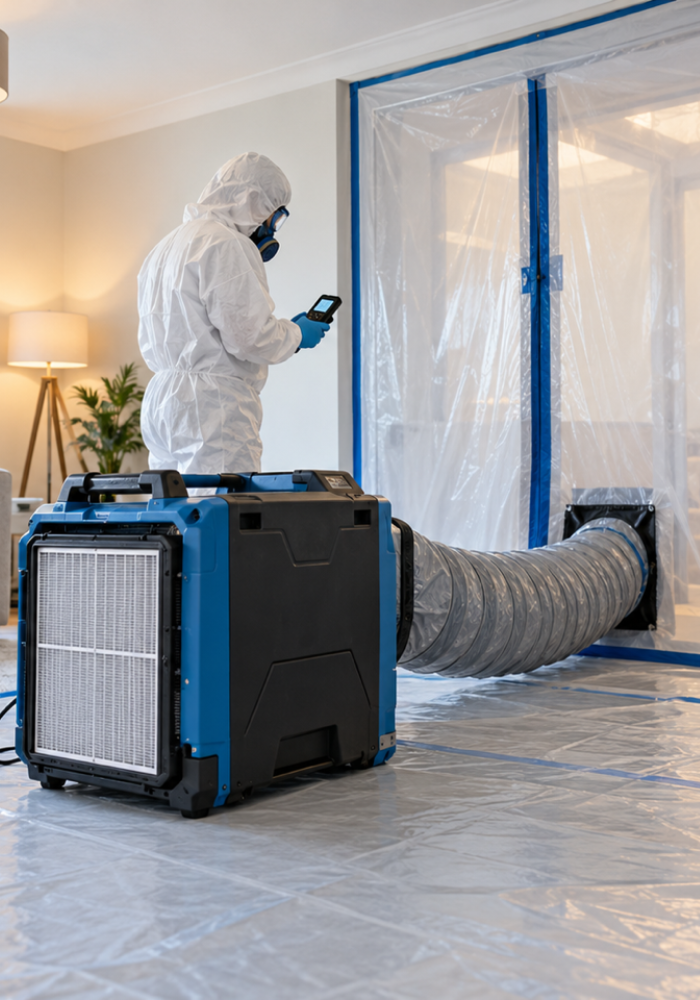
Humidity Response provides specialist infection control cleaning for properties that require an incident-led or enhanced decontamination response. This may include offices, schools, communal housing, commercial premises, managed properties and other environments where a specific contamination event, outbreak concern or client protocol requires targeted cleaning and disinfection.

The service is built around a clear method statement: define the affected area, identify high-touch and contaminated surfaces, remove visible soil, apply the appropriate disinfection process, control cross-contamination and record completion. In healthcare or care settings, the scope should be agreed with the client’s infection prevention and control lead or local protocol where applicable.

Why choose Humidity Response

Circle

Incident-led rather than generic cleaning

The scope is designed around the actual contamination concern and environment.

Circle

Clear cleaning and disinfection sequence

Physical cleaning is prioritised so disinfectants are applied to a surface that has been prepared properly.

Circle

Attention to touch points and movement routes

Frequently contacted surfaces and potential transfer routes are incorporated into the method statement.

Circle

Product control

Disinfectants are selected and used according to the required purpose, surface compatibility, concentration and manufacturer contact time.

Circle

Cross-contamination management

Equipment, cloths, PPE, waste and clean/dirty movement are planned to avoid spreading contamination during the work.

Circle

Suitable for integration with wider restoration

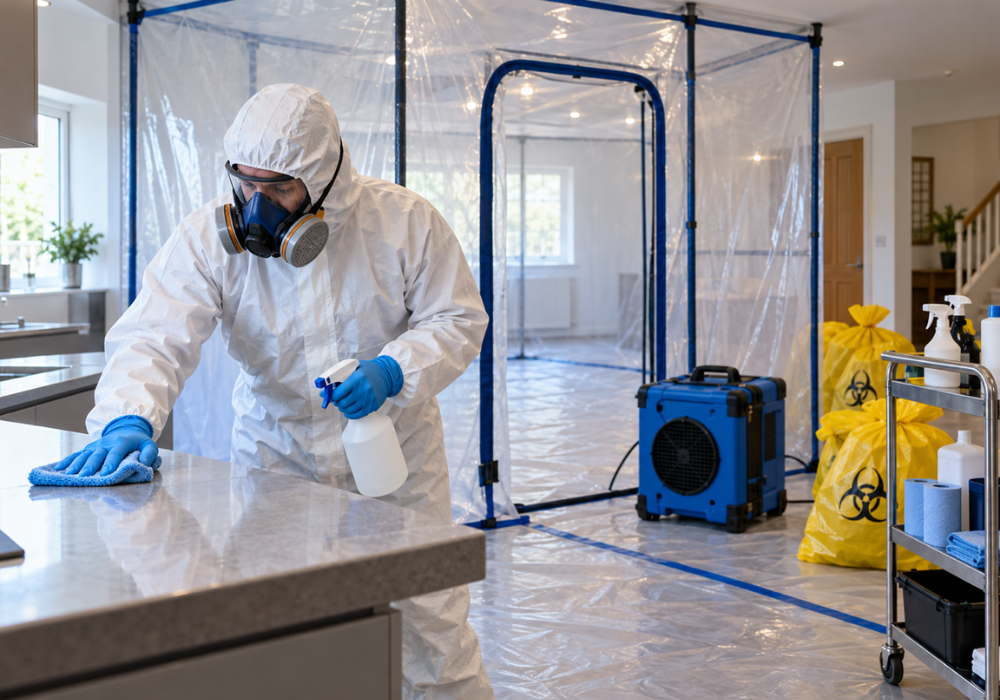
Infection-control cleaning can be combined with sewage response, biohazard cleaning, mould remediation or flood recovery where the incident requires more than one specialist discipline.

Our infection control cleaning process

1.

Scope the incident

We establish the setting, affected area, known or suspected infectious concern, occupancy, client protocol and surfaces/equipment that fall within the cleaning instruction.

2.

Risk assess and establish the work method

PPE/RPE, zoning, ventilation, waste, equipment and any transmission-based precautions are considered according to the task and the information available.

3.

Remove visible soil and contamination

Surfaces are physically cleaned using an appropriate detergent or combined cleaning product. Organic contamination and visible residue are removed before relying on disinfection.

4.

Disinfect the agreed surfaces

The selected disinfectant is applied to the specified areas in accordance with the manufacturer’s concentration, compatibility and contact-time requirements and any client infection-control protocol.

5.

Manage touch points, equipment and cross-contamination

High-frequency contact surfaces, cleaning tools, reusable equipment and movement from cleaner to more contaminated areas are controlled within the agreed method.

6.

Final check and completion record

The work area is inspected, disposable materials and waste are managed appropriately, reusable equipment is decontaminated where required and the client is provided with completion information appropriate to the instruction.

Technical information

Infection control cleaning is not simply “stronger cleaning”. The core principles are removal of contamination, appropriate disinfection where required and prevention of transfer to other people or surfaces. NHS England’s infection-prevention framework makes the same distinction: a visibly clean environment, effective cleaning routines, appropriate PPE and safe management of blood/body-fluid spills, waste and care equipment all form part of infection control.

Cleaning is the physical removal of dirt, body fluids and other contamination. It also removes some microorganisms and is an essential preparation step where soiling is present. Disinfection is the subsequent reduction of microorganisms to an appropriate level. If organic material remains on the surface, some disinfectants may be less effective.

Contact time matters. A disinfectant cannot be assumed to work merely because it has been sprayed on and wiped off immediately. The manufacturer’s instructions for concentration, wet contact time and surface compatibility need to be followed. COSHH assessments also apply to the cleaning chemicals being used, because disinfectants themselves can create exposure hazards.

Healthcare and care environments may have local infection-prevention procedures that specify products, frequencies, sequencing and transmission-based precautions. Where Humidity Response is instructed in such a setting, the specialist cleaning scope should align with the client’s IPC lead and local protocol rather than replacing it with a generic commercial method.

Supplementary technologies such as vapour, misting or ultraviolet systems are not treated as a substitute for manual cleaning in this copy. If a client specifies a validated supplementary technology, its suitability and operating protocol should be considered separately. The website therefore focuses on the robust core process that applies across environments.

Typical applications

  • Enhanced cleaning after a specific contamination event
  • Schools, offices and commercial premises requiring targeted infection-control response
  • Communal areas in managed housing or residential buildings
  • Care or healthcare-related environments where work is instructed under the client’s IPC protocol
  • High-touch surface decontamination following a known exposure concern
  • Cleaning after blood or body-fluid contamination that does not require wider trauma remediation
  • Post-incident cleaning linked to sewage, biohazard or flood contamination

Frequently asked questions

Is infection control cleaning the same as routine contract cleaning?

No. This service is intended for incident-led, enhanced or specialist decontamination where there is a defined infection-control concern. Routine daily housekeeping or janitorial cleaning is a different service.

Do you always use disinfectant on every surface?

No. The method depends on the setting, surface and risk. Routine cleaning may be sufficient in some situations, while other areas require cleaning followed by disinfection. Products also need to be compatible with the material being treated.

Can you work in schools or care settings?

Yes, subject to the specific instruction and site requirements. In regulated care or healthcare environments, the method should be coordinated with the client’s infection-prevention procedures and responsible lead.

Do you guarantee that all viruses and bacteria are removed?

No responsible cleaning contractor should make an unlimited guarantee of sterility across an occupied building. We carry out the agreed cleaning and disinfection process using appropriate products, methods and contact times and document the work completed.

Why does contact time matter?

Disinfectants are tested and labelled for a specified application time. Wiping a product away too quickly may prevent it from performing as intended, so the manufacturer’s instructions are part of the method statement.

Can infection control cleaning be combined with other Humidity Response services?

Yes. Some incidents involve water damage, sewage, mould, fire residues or biohazard contamination as well as an infection-control concern. We can structure the restoration so each stage is addressed in the correct sequence.

Accreditations, Memberships and Professional Training

01_pqs
02_cqms
ICO_Logo_Blue
OnceForAll_-_Full_colour_RGB-scaled
05_safecontractor
06_ssip_smas_existing_website
07_builders_profile
08_citb
09_bdma_existing_website
10_iicrc_existing_website
11_pmii
Screenshot 2026-10-12 at 20.21.30
13. Dewpoint Tech Logo OCT26
14_trading_standards_checked
15_nasc_existing_website
15_nasc_scalable_alternative
16_cscs
17_bwca_small_icon