24 HOUR EMERGENCY RESPONSE: Call 0800 5999 009 or email info@humidityresponse.uk

Loss Adjusters

Clear technical evidence for confident claim decisions

Loss adjusters are often required to make decisions quickly while balancing policy coverage, damage mitigation, cost, customer expectations and multiple specialist opinions. Humidity Response supports that process with practical site evidence, technically justified restoration recommendations and clear communication from the first assessment through to completion of our instructed works.

We are accustomed to working within insurance-led losses where the adjuster needs more than a generic contractor update. Moisture behaviour, contamination category, building construction, salvageability, drying progress, access requirements and likely secondary damage can all influence the claim. Our aim is to turn those site conditions into information that is useful for decision-making.
Support designed for loss adjusters

  • Detailed assessment information. Photographs, moisture readings, affected-area observations and technical findings help establish what is actually happening at the property.
  • Justified scopes. We explain the reason for proposed drying, removal, decontamination, leak detection or monitoring rather than simply presenting a list of tasks.
  • Options where appropriate. Where more than one technically reasonable route exists, we can explain the implications so the adjuster can make an informed decision.
  • Prompt escalation of changes. Hidden damage, unexpected contamination, failed materials or new moisture pathways are reported when identified rather than left until the end of the job.
  • Cost-conscious restoration. We aim to preserve restorable materials and reduce avoidable secondary damage while being clear when materials are no longer practical to retain.
  • Progress data. Drying records, environmental monitoring and repeat readings provide objective evidence of how the building is responding.
  • Clear boundaries. We distinguish our specialist restoration scope from plumbing, reinstatement, structural repair or other trades so responsibilities remain clear.

Typical instructions from loss adjusters

  • Moisture surveys and mapping
  • Drying assessments and drying programmes
  • Post-strip-out surveys and revised drying scopes
  • Fire and smoke contamination assessments
  • Mould and damp investigations
  • Leak detection and diagnostic surveys
  • Air quality sampling where justified
  • Sewage and contamination assessments
  • Commercial-loss drying and environmental monitoring
  • Technical review of whether materials can be retained or require removal

Our working process

1.

Confirm the instruction

We establish the question the adjuster needs answered, rather than carrying out a broader survey that does not support the claim decision.

2.

Capture the site evidence

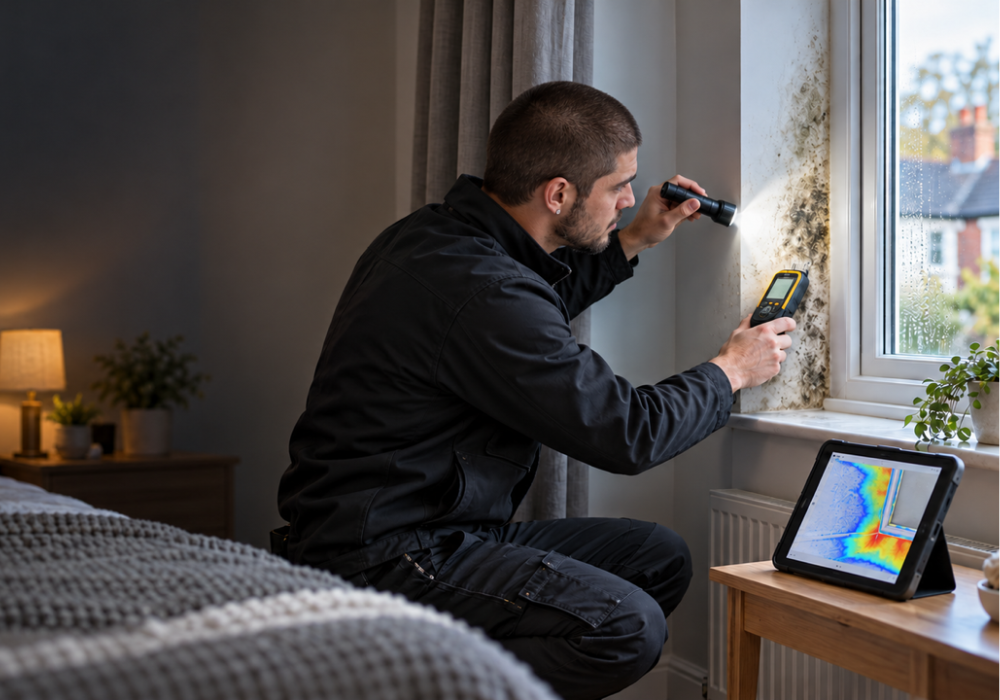
Conditions are recorded using appropriate measurements, photographs, inspection techniques and building observations.

3.

Interpret the findings

Data is considered in context. A reading, thermal image or visible stain is not treated as a conclusion on its own.

4.

Recommend a proportionate response

We set out the restoration or investigation strategy and identify where further access, testing or approval is required.

5.

Update when circumstances change

Material findings and deviations from the expected scope are reported promptly so authority can be obtained before avoidable cost is incurred.

6.

Close out our stage

Completion information and any remaining issues are recorded so the adjuster can progress reinstatement, settlement or other specialist input.

Technical information that supports the claim

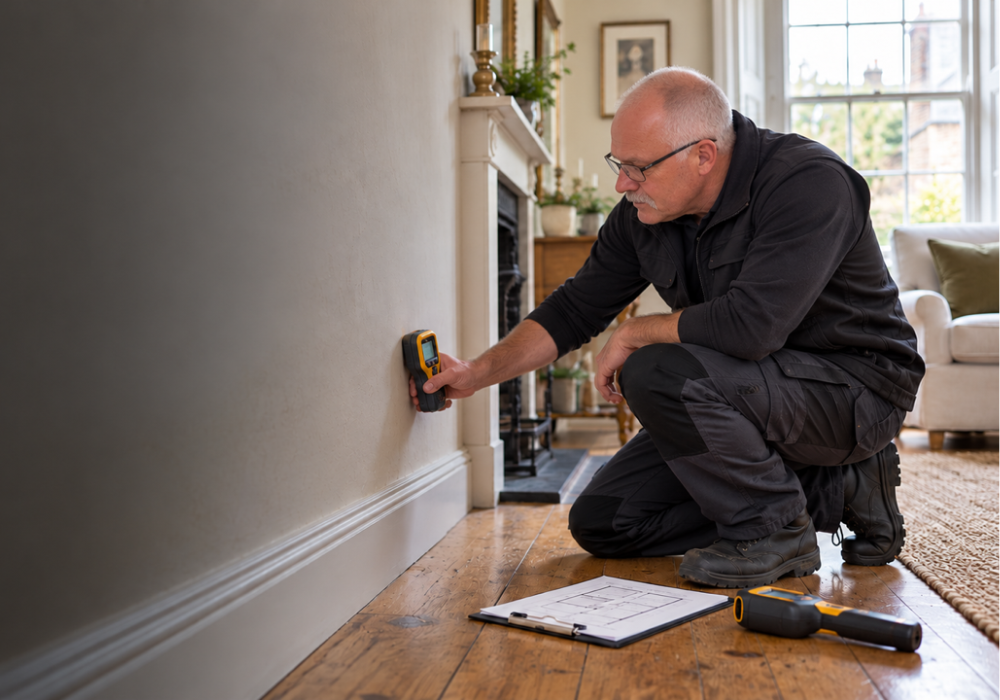
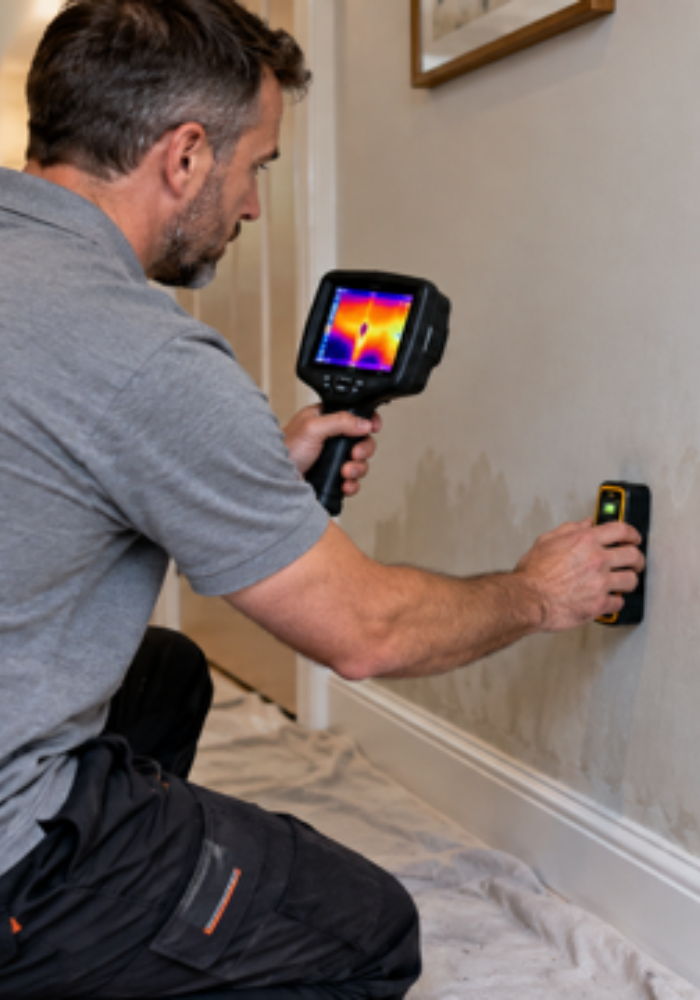
Moisture readings need context. Different materials, finishes and assemblies respond differently after water damage, so readings are interpreted alongside unaffected reference areas, environmental conditions, construction details and the known loss history. Thermal imaging can help identify temperature anomalies and guide further investigation, but it is not presented as direct proof of moisture without corroboration.

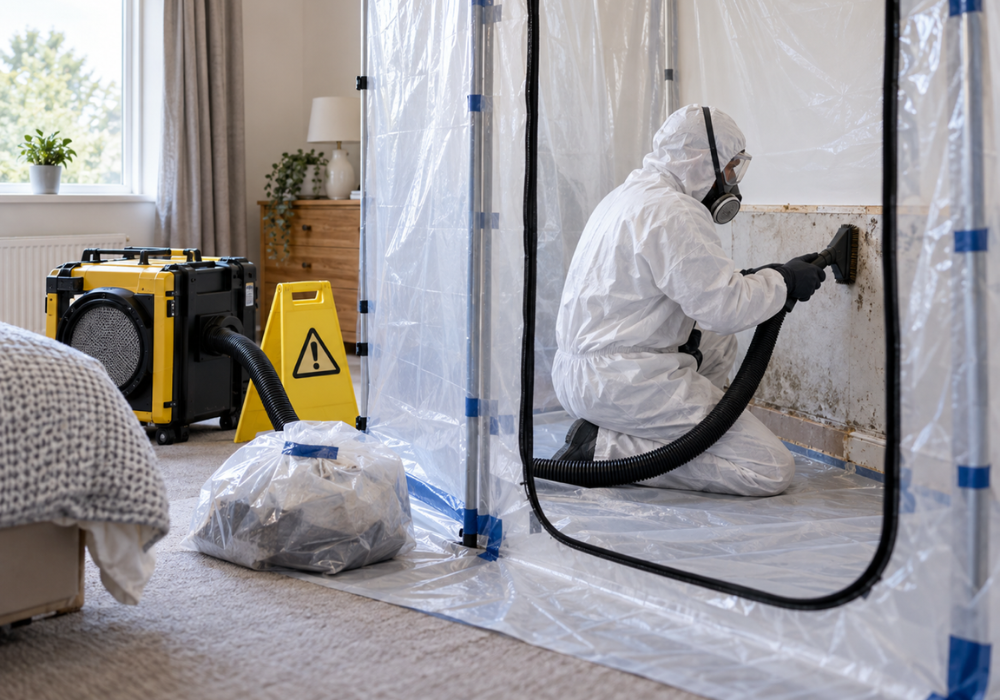
The same principle applies to fire, mould and contamination work. Visual soot does not by itself define the full contamination pathway; visible mould does not establish the moisture source; and odour does not show the exact location of absorbed contamination. A defensible claim decision is stronger when the site evidence, building behaviour and proposed method are considered together.

Frequently asked questions

Can you attend solely to carry out a technical assessment?

Yes. We regularly separate assessment from works where the adjuster needs findings and recommendations before deciding what should proceed.

Can you provide a strip-out or drying recommendation?

Yes. Where within scope, we can identify materials affected, explain what may be restorable, set out removal requirements where justified and recommend the drying strategy that should follow.

Will you tell us if the scope changes?

Yes. If further access reveals a different condition, contamination extends beyond the original area or the building is not responding as expected, the change should be documented and referred back rather than silently absorbed into the original scope.

Can you provide moisture maps and progress data?

Yes. Moisture mapping, environmental readings and repeat measurements can be used to demonstrate the affected area and progress through the drying programme.

Do you work on both domestic and commercial claims?

Yes. We support residential, managed-property, education, commercial and larger building losses, subject to the requirements and location of the instruction.

Can you help reduce unnecessary reinstatement?

Our restoration approach is to retain materials where they can be safely and technically restored. That can reduce unnecessary replacement, but we will also identify materials that are contaminated, damaged or impractical to save.

Accreditations, Memberships and Professional Training

01_pqs
02_cqms
ICO_Logo_Blue
OnceForAll_-_Full_colour_RGB-scaled
05_safecontractor
06_ssip_smas_existing_website
07_builders_profile
08_citb
09_bdma_existing_website
10_iicrc_existing_website
11_pmii
Screenshot 2026-10-12 at 20.21.30
13. Dewpoint Tech Logo OCT26
14_trading_standards_checked
15_nasc_existing_website
15_nasc_scalable_alternative
16_cscs
17_bwca_small_icon