24 HOUR EMERGENCY RESPONSE: Call 0800 5999 009 or email info@humidityresponse.uk

Damage Strip-Out & Enabling Works

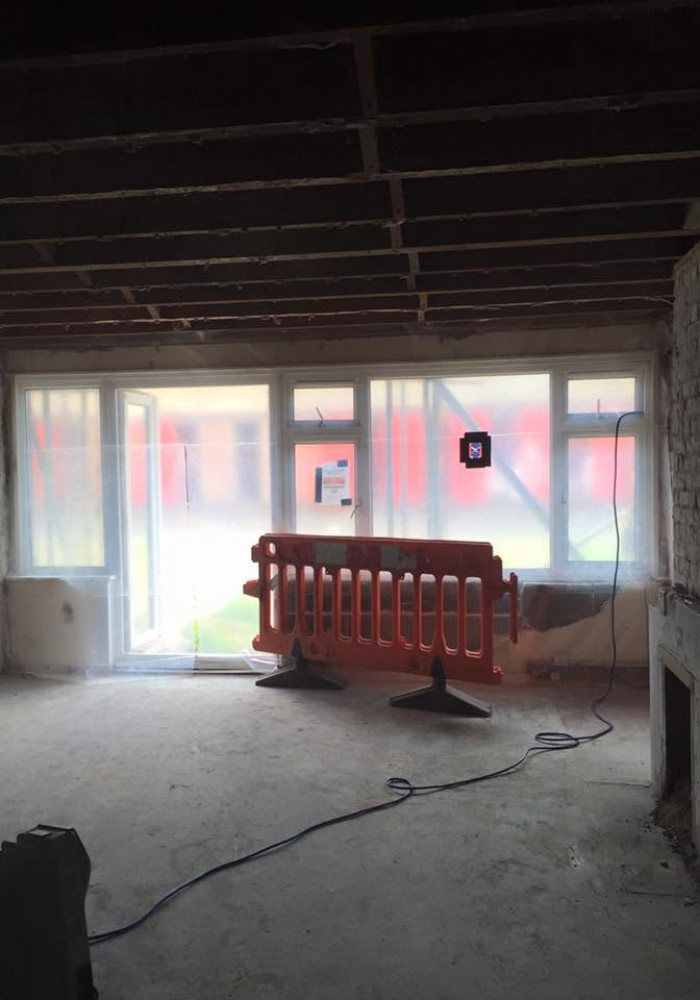
Controlled strip-out to expose damage, remove non-restorable materials and prepare the property for recovery

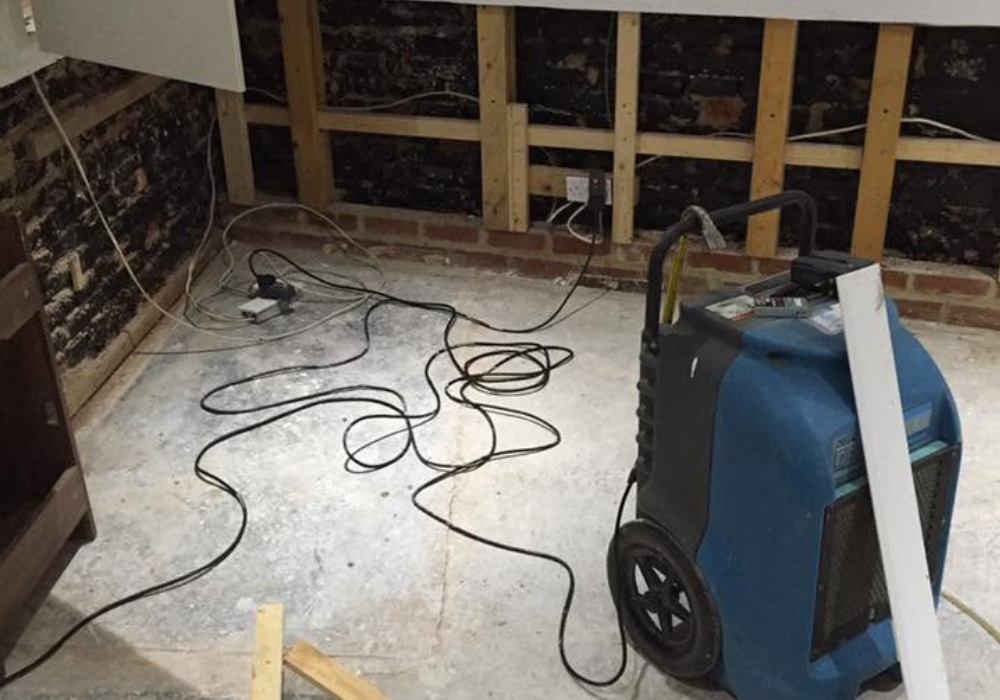
After a flood, escape of water, fire, mould outbreak or contamination incident, damaged materials can prevent access to hidden moisture, trap contamination or obstruct the drying and cleaning process. Humidity Response carries out controlled damage strip-out and enabling works where removal is necessary to progress the restoration strategy.

Our role is to remove affected materials safely and methodically, protect retained areas, document what is being removed and create the access needed for cleaning, decontamination, moisture assessment and structural drying. The aim is not demolition for its own sake. Wherever practical, decisions are based on the condition, contamination, moisture content, construction and realistic restorability of the material.

We can integrate strip-out with our flood, fire, mould, sewage and drying services, providing continuity from the initial assessment through to the point where affected areas are dry, clean and ready for the appropriate reinstatement contractor.

Why choose Humidity Response

Circle

Restoration-led decisions

Materials are not removed simply because they are wet or smoke affected; the reason for removal should relate to condition, contamination, access, drying feasibility or loss of integrity.

Circle

Continuity between assessment and mitigation

The same restoration strategy can link moisture mapping, strip-out, cleaning and drying rather than leaving each stage to an unrelated contractor.

Circle

Targeted access

Controlled removal can expose wall cavities, floor build-ups, insulation and other concealed areas while limiting unnecessary disturbance to unaffected finishes.

Circle

Cross-contamination controls

On mould, sewage and fire losses, work areas and waste routes can be planned to reduce the spread of dust, soot, spores or contaminated debris.

Circle

Documented claim support

Photographs, room-by-room observations and removed-material records can help insurers, loss adjusters and property managers understand why the work was necessary.

Circle

Safe onward progression

Once damaged materials are removed, retained substrates can be cleaned, moisture-mapped and dried so the property is prepared for the next stage of the recovery.

Our damage strip-out process

1.

Confirm the scope and pre-start information

We review the incident, agreed works, building construction, utilities, occupancy and relevant pre-construction information. Where intrusive work could disturb asbestos-containing materials or other hazards, the required information or specialist survey must be in place before disturbance begins.

2.

Protect retained areas and establish controls

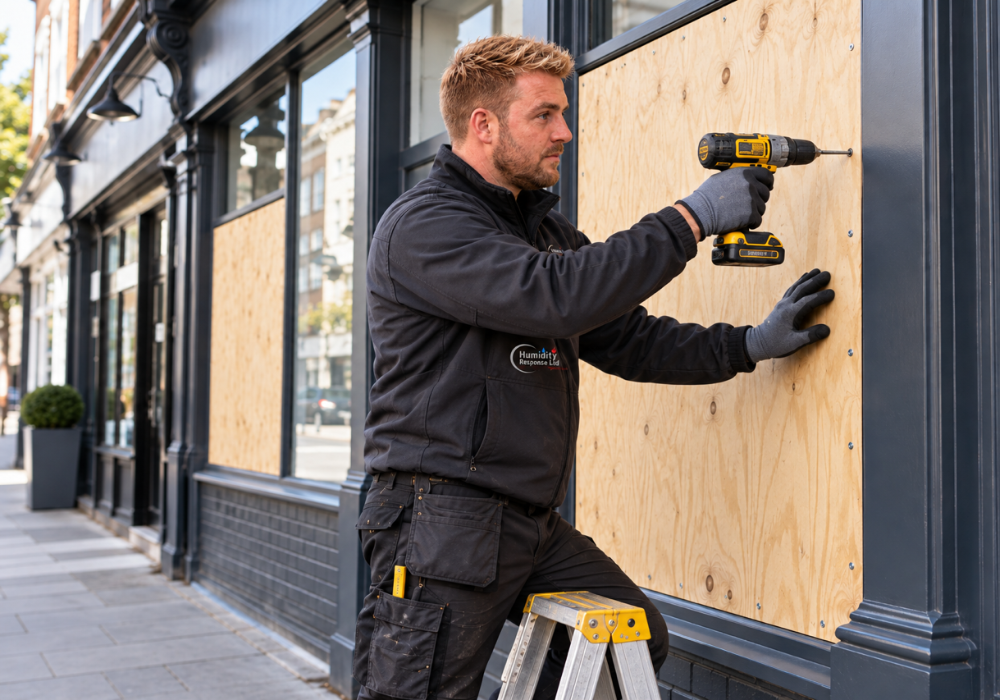
Work zones, access routes, dust or contamination controls and protection to retained finishes are selected according to the loss. Services are isolated where necessary and safe access is maintained.

3.

Remove damaged or obstructing materials selectively

Affected floor finishes, plasterboard, insulation, skirtings, cabinetry components or other materials are removed only where justified by the restoration plan, contamination, physical damage or the need to access trapped moisture.

4.

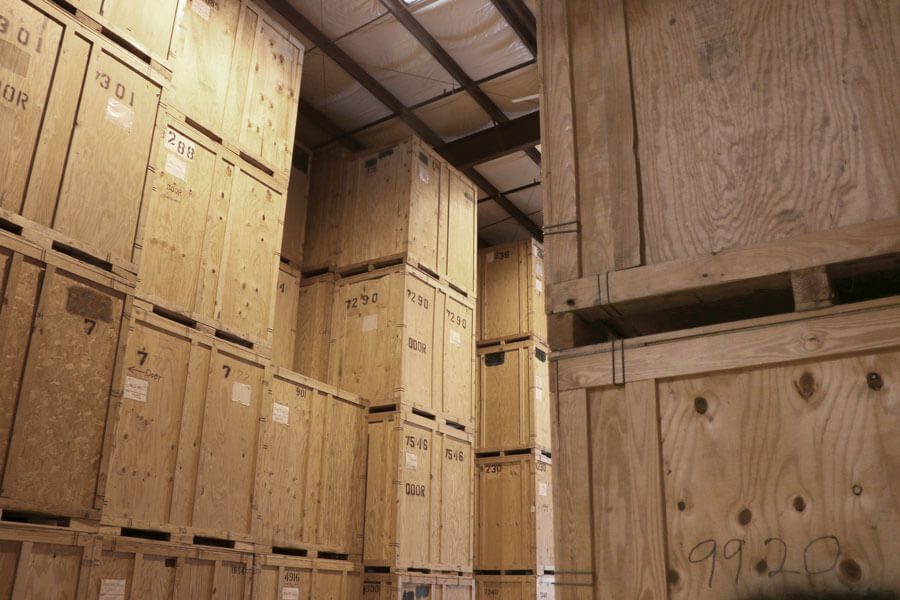
Segregate contents, debris and waste streams

Reusable items are separated from waste. Removed materials are contained and described according to the waste stream, with additional controls where contamination, sharps, asbestos or other hazardous materials are present.

5.

Clean, inspect and moisture-map the exposed structure

Once concealed areas are accessible, substrates and cavities can be inspected for additional damage, contamination and trapped moisture. Cleaning, decontamination or further removal is completed where required before drying.

6.

Dry, document and hand over for the next stage

The retained structure is dried and monitored where necessary. Completion information records the affected areas, work undertaken and any outstanding recommendations so the property can move efficiently towards reinstatement.

Technical information

Strip-out after property damage is different from general demolition. The purpose is usually to remove only what is non-restorable, contaminated, structurally unsound or preventing access to affected construction. Over-stripping can increase claim cost, extend disruption and destroy materials that could otherwise have been retained. Under-stripping can leave wet insulation, contaminated voids or damaged finishes concealed behind apparently dry surfaces.

Water can migrate beneath floor finishes, into wall cavities, behind kitchen units and through layered construction. Firefighting water and soot residues can create a combined fire-and-water loss. Sewage and mould incidents add contamination considerations. The removal strategy therefore needs to reflect the incident, material porosity, degree of contamination and the ability to clean and dry the retained structure.

Intrusive work also requires proper pre-construction information. Buildings constructed or refurbished before 2000 may contain asbestos in materials that are not obvious from the surface. Where the proposed work could disturb hidden building fabric, the relevant asbestos information and, where required, an intrusive refurbishment or demolition survey should be available before work starts. Humidity Response does not treat the absence of visible asbestos as proof that a material is safe to disturb.

Waste from strip-out must be managed according to its actual classification. Clean construction debris, contaminated materials, electrical items, sewage-affected waste, chemical residues and asbestos waste can require different containment, documentation and disposal routes. The work plan therefore considers both the restoration objective and the waste stream created by the removal.

Typical applications

  • Water-damaged plasterboard, insulation and skirtings
  • Wet floor finishes and trapped moisture within floor build-ups
  • Fire-damaged linings, finishes and debris obstructing restoration
  • Sewage-contaminated porous materials that cannot be practically decontaminated
  • Mould-affected materials requiring controlled removal
  • Localised access to wall, ceiling or floor voids for drying and investigation
  • Commercial, school, housing and insurance claims where strip-out must be coordinated with a wider recovery programme

Frequently asked questions

Does everything that gets wet need to be stripped out?

No. Removal should be based on the material, contamination, condition, accessibility and whether it can be dried effectively in place. Our objective is targeted restoration, not unnecessary demolition.

Can you strip out first and decide about asbestos afterwards?

No. If the work may disturb materials that could contain asbestos, suitable pre-construction information must be available before the intrusive work starts. Where the information is not sufficient, additional specialist survey work may be required.

Do you carry out the rebuilding afterwards?

Our core role is damage mitigation, strip-out, cleaning, drying and restoration support. Reinstatement can be undertaken by the client’s appointed building contractor or other appropriate trade unless a separate scope has specifically been agreed.

Why would a wall or floor need opening if the surface looks dry?

Moisture and contamination can remain concealed within insulation, cavities, screeds and layered floor or wall systems. Targeted access may be necessary where measurements, construction and the loss history indicate a hidden problem.

What happens to the waste?

Removed materials are segregated and transferred through appropriate authorised routes according to their classification. Different waste streams may require different documentation and disposal controls.

Can strip-out be carried out while a building remains occupied?

Sometimes, but it depends on the location, contamination, noise, dust, access and safety risks. The method and isolation measures need to be suitable for the occupied environment, and some work areas may need to be vacated temporarily.

Accreditations, Memberships and Professional Training

01_pqs
02_cqms
ICO_Logo_Blue
OnceForAll_-_Full_colour_RGB-scaled
05_safecontractor
06_ssip_smas_existing_website
07_builders_profile
08_citb
09_bdma_existing_website
10_iicrc_existing_website
11_pmii
Screenshot 2026-10-12 at 20.21.30
13. Dewpoint Tech Logo OCT26
14_trading_standards_checked
15_nasc_existing_website
15_nasc_scalable_alternative
16_cscs
17_bwca_small_icon