24 HOUR EMERGENCY RESPONSE: Call 0800 5999 009 or email info@humidityresponse.uk

Drainage CCTV Inspections

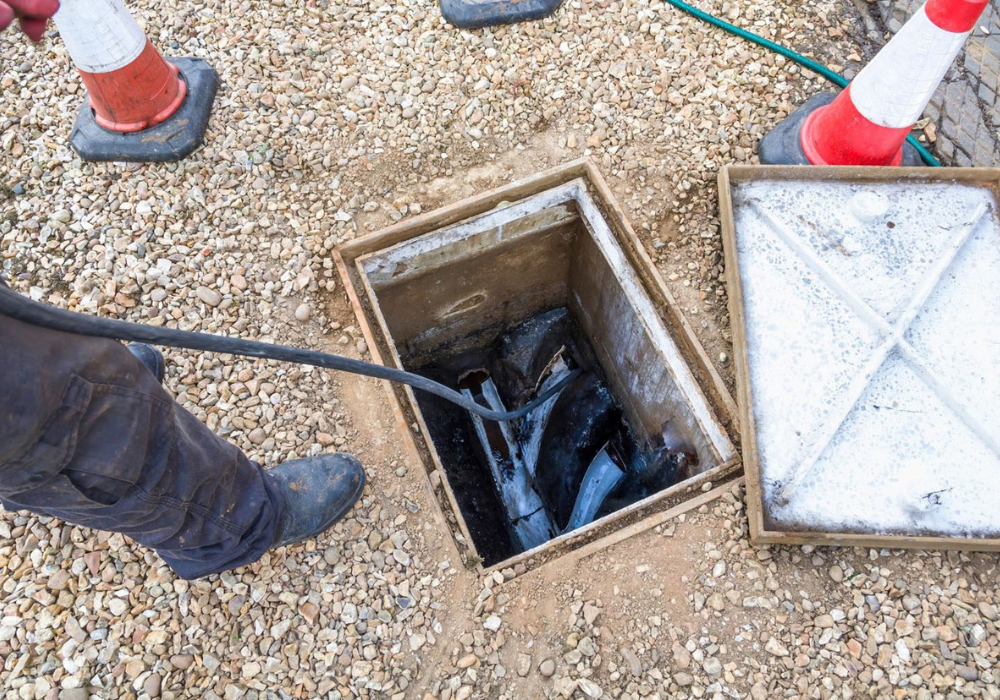
CCTV drainage inspections to investigate hidden defects without unnecessary excavation

Recurring blockages, foul smells, unexplained water ingress and drainage failures can originate below ground or within pipework that cannot be inspected visually from the surface. A CCTV drainage survey introduces a specialist camera into accessible drainage runs so the internal condition of the pipe can be viewed and recorded.

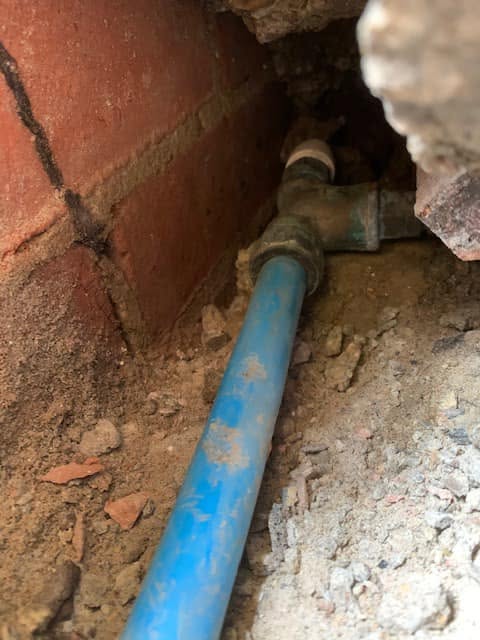
Humidity Response uses drainage CCTV as part of a wider diagnostic approach. The inspection can help identify visible defects or restrictions such as displaced joints, fractures, root ingress, deformation, heavy deposits, foreign objects or localised obstructions. Where a defect is identified, the findings can help target the next repair, cleaning or investigative step rather than relying on guesswork or widespread excavation.

The service is suitable for domestic, commercial and insurance-related investigations and can complement moisture mapping, leak detection, flood investigation and drainage clearance where the symptoms overlap.

Why choose Humidity Response

Circle

Non-destructive inspection

CCTV allows the internal condition of accessible pipework to be viewed without opening floors or excavating simply to find out what is happening.

Circle

Diagnostic context

Drainage findings can be considered alongside moisture readings, water-damage patterns, building construction and the wider incident history.

Circle

Recorded evidence

Video footage and still images can support repair decisions, insurance investigations and discussions with drainage or building contractors.

Circle

Targeted recommendations

A survey can help determine whether the next step is clearance, jetting, local repair, excavation, specialist drainage work or further investigation.

Circle

Suitable for varied properties

Inspections can support homes, schools, managed blocks, commercial premises and larger property portfolios where access and pipe configuration permit.

Circle

Combined property-damage support

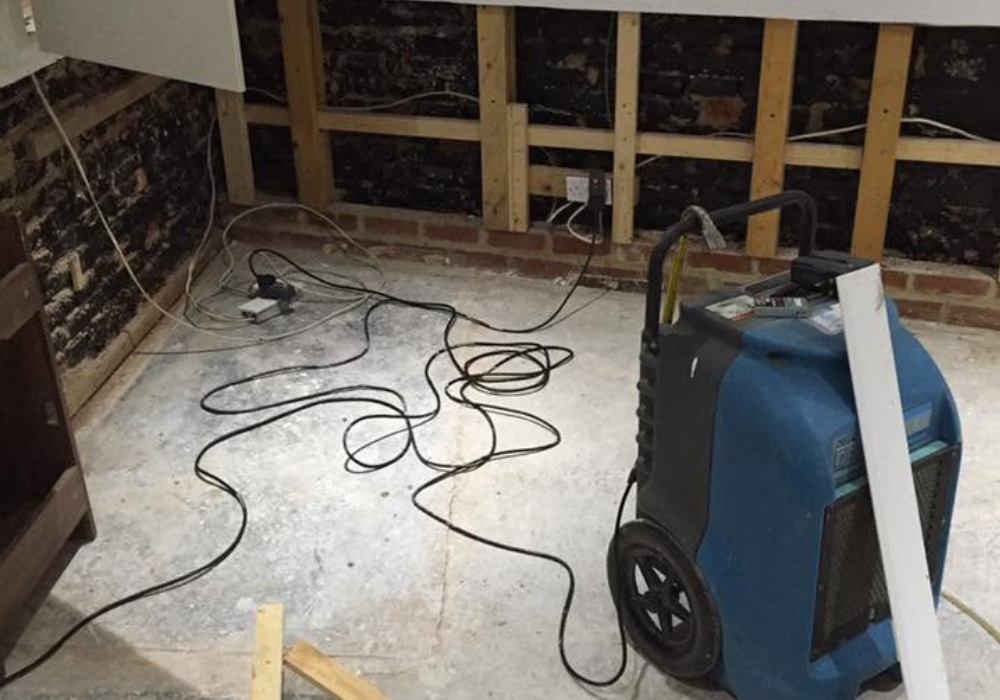
If a drainage defect has caused internal water damage, Humidity Response can also assess moisture migration, contamination and drying requirements.

Our CCTV drainage inspection process

1.

Establish the problem and available access

We discuss the symptoms, affected areas, known drainage layout and accessible inspection points. This helps determine whether CCTV is likely to answer the question being asked.

2.

Make the drainage run suitable for inspection

Where a line is blocked, heavily fouled or full of standing debris, cleaning or clearance may be needed before the camera can travel through the pipe and provide a useful view.

3.

Introduce the camera and inspect the accessible run

The camera is advanced through the drainage line while the technician observes the internal pipe condition, junctions, changes in direction, deposits and visible defects.

4.

Record areas of interest

Relevant sections can be recorded as video or still images. Where equipment and conditions allow, an integrated sonde or locator can assist in identifying the approximate surface position of the camera or point of interest.

5.

Interpret the findings in context

A visual defect is considered alongside the symptoms. Not every imperfection causes leakage or blockage, and a CCTV survey does not replace other testing where the cause remains uncertain.

6.

Report and recommend the next step

The client is advised of the visible findings and the logical next action, which may include clearance, jetting, drain repair, excavation, additional leak detection or monitoring.

Technical information

Drainage CCTV systems use compact camera heads and push-cable or reel systems designed to travel through pipework while transmitting an image to a monitor. Professional systems are available for different pipe diameters and run lengths. Some cameras include a transmitting sonde that can be located from the surface, helping identify where a defect or obstruction lies relative to the building or ground above.

The quality of the inspection depends on access and pipe condition. Heavy silt, grease, scale, standing water or a complete blockage can obscure the camera view or prevent the equipment from passing. In those circumstances the line may need to be cleared or cleaned before the survey can provide meaningful information.

CCTV is particularly effective at identifying defects that are visible from inside the pipe, but it has limitations. A camera cannot see through the pipe wall, determine soil conditions outside the drainage run or prove that every visible joint defect is leaking. Where the question is specifically whether water is escaping from a system, additional testing, monitoring or specialist drainage investigation may be required.

Where drainage failure has already affected the building, the CCTV findings should be considered alongside contamination and moisture. A foul-water escape can migrate beneath floor finishes and into wall bases or voids, so resolving the drainage cause does not automatically mean the building fabric is dry or decontaminated.

Typical applications

  • Recurring or unexplained drain blockages
  • Suspected fractured, displaced or damaged drainage pipes
  • Root ingress or foreign-object obstruction
  • Foul smells or suspected drainage defects near a property
  • Drainage investigation following sewage contamination or internal flooding
  • Pre-repair inspection to help target excavation or drainage works
  • Insurance and property-management investigations requiring recorded visual evidence

Frequently asked questions

Will a CCTV survey find every drainage problem?

It can identify many visible internal defects and obstructions, but not every problem can be confirmed by camera alone. External ground conditions, intermittent leaks or defects hidden by deposits may require additional investigation.

Does the drain need to be clear before the camera goes in?

The camera needs a usable route and a sufficiently clear view. If the line is heavily blocked, filled with debris or obscured by deposits, clearance or cleaning may be needed first.

Can you tell exactly where a defect is underground?

Depending on the equipment and access, a transmitting camera head or sonde can help locate the approximate surface position of a point of interest. Site conditions and depth can affect locating accuracy.

Can CCTV prove that a pipe joint is leaking?

It may show an open, displaced or damaged joint, but a visual defect is not always proof of active leakage. Further testing may be needed where the cause of water loss remains uncertain.

Can you inspect drainage after a sewage escape?

Yes, where the drainage system is accessible and CCTV is appropriate. We can also assess the resulting internal contamination and moisture separately because repairing the drain does not by itself dry or decontaminate the property.

Will I receive evidence from the survey?

Where included within the instruction, relevant footage, still images and written findings can be provided to support repair or insurance decisions.

Accreditations, Memberships and Professional Training

01_pqs
02_cqms
ICO_Logo_Blue
OnceForAll_-_Full_colour_RGB-scaled
05_safecontractor
06_ssip_smas_existing_website
07_builders_profile
08_citb
09_bdma_existing_website
10_iicrc_existing_website
11_pmii
Screenshot 2026-10-12 at 20.21.30
13. Dewpoint Tech Logo OCT26
14_trading_standards_checked
15_nasc_existing_website
15_nasc_scalable_alternative
16_cscs
17_bwca_small_icon