Initial problem
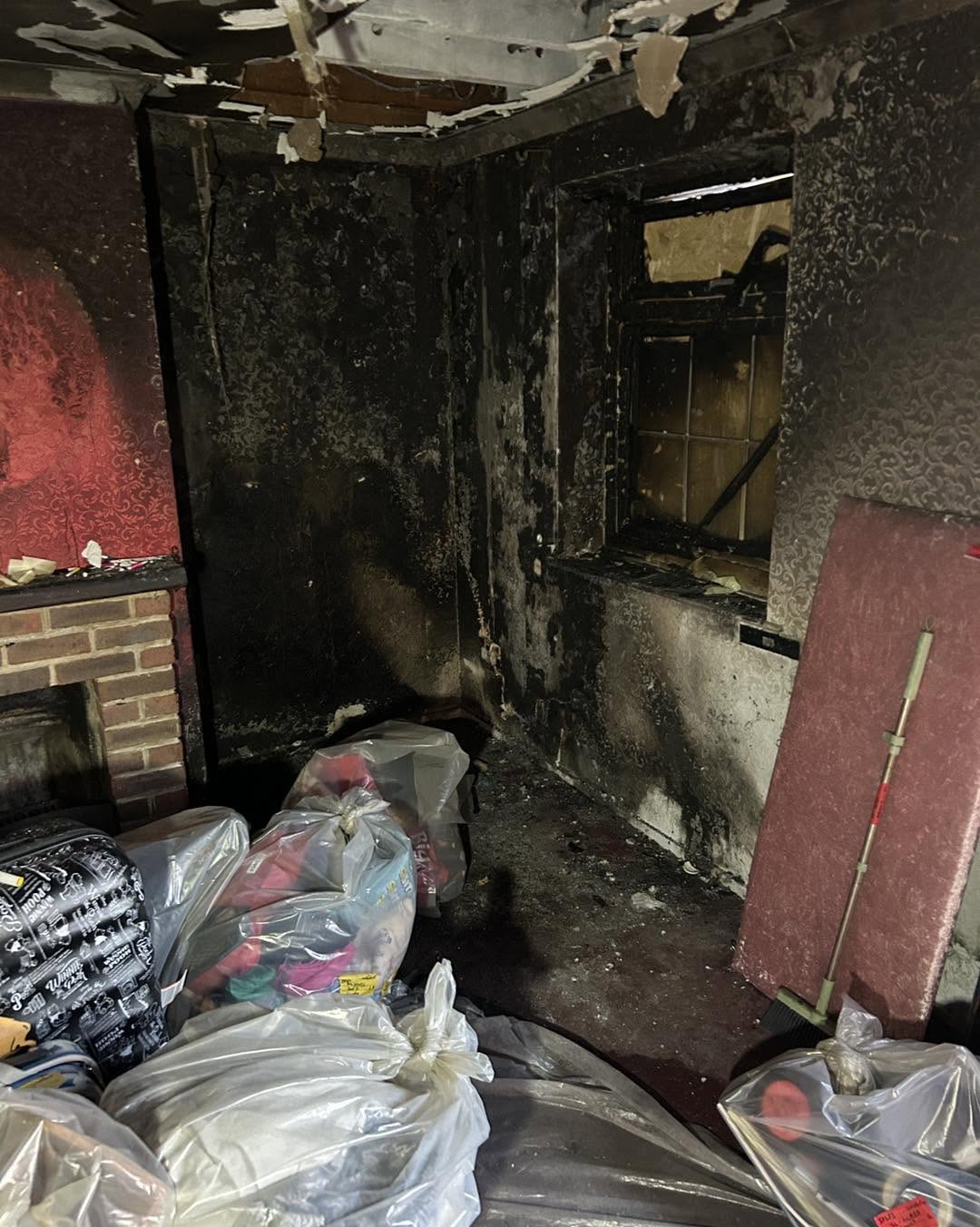
Humidity Response was mobilised following a significant fire incident at a school. Extensive firefighting operations had taken place, leaving the building with both direct fire damage and substantial water-related risks from the extinguishment process.
Following a major fire, the water used to control the incident can migrate through floors, walls, voids and finishes. Rapid intervention is therefore important to limit secondary damage and begin stabilising the building for the wider recovery programme.
Assessment priorities
On attendance, the team focused on identifying areas requiring immediate intervention, protecting salvageable contents, reducing further moisture migration and documenting the condition of the affected areas for the insurer and loss adjuster.
Solution
- Emergency strip-out works were completed where affected materials required removal.
- Salvageable contents were protected and relocated away from affected areas.
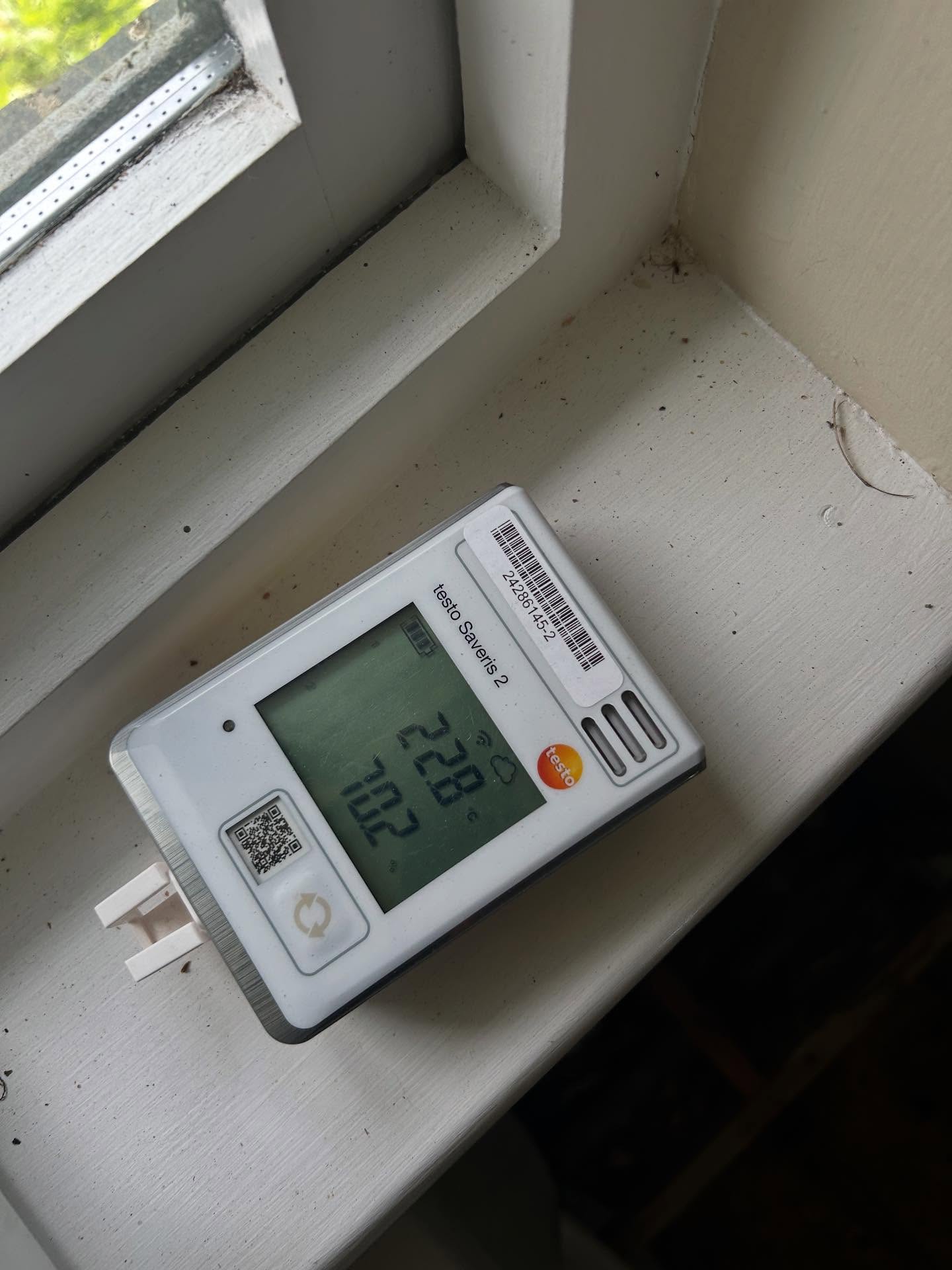
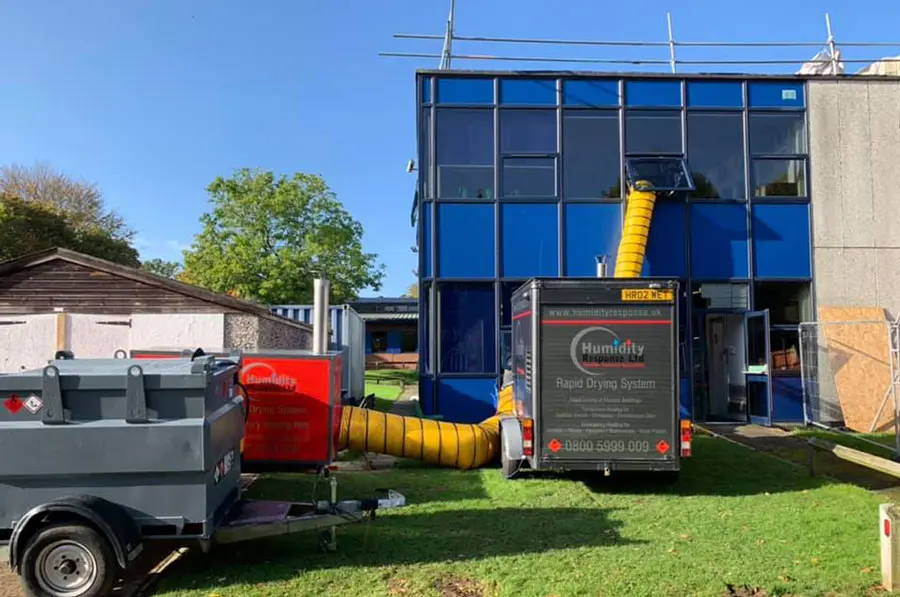
- Specialist structural drying equipment was installed to begin controlling residual moisture.
- Detailed technical assessments were undertaken to support the insurer and loss-adjuster process.
Technical approach
The response combined immediate mitigation with the early establishment of a controlled drying programme. The objective was to reduce avoidable secondary damage, protect materials that remained salvageable and provide technical information to support the next stages of the claim.
Outcome
At the time of the project update, emergency mitigation had been completed and the structural drying and technical assessment process was underway. No final drying duration or completed reinstatement outcome was recorded in the source update.