Initial problem
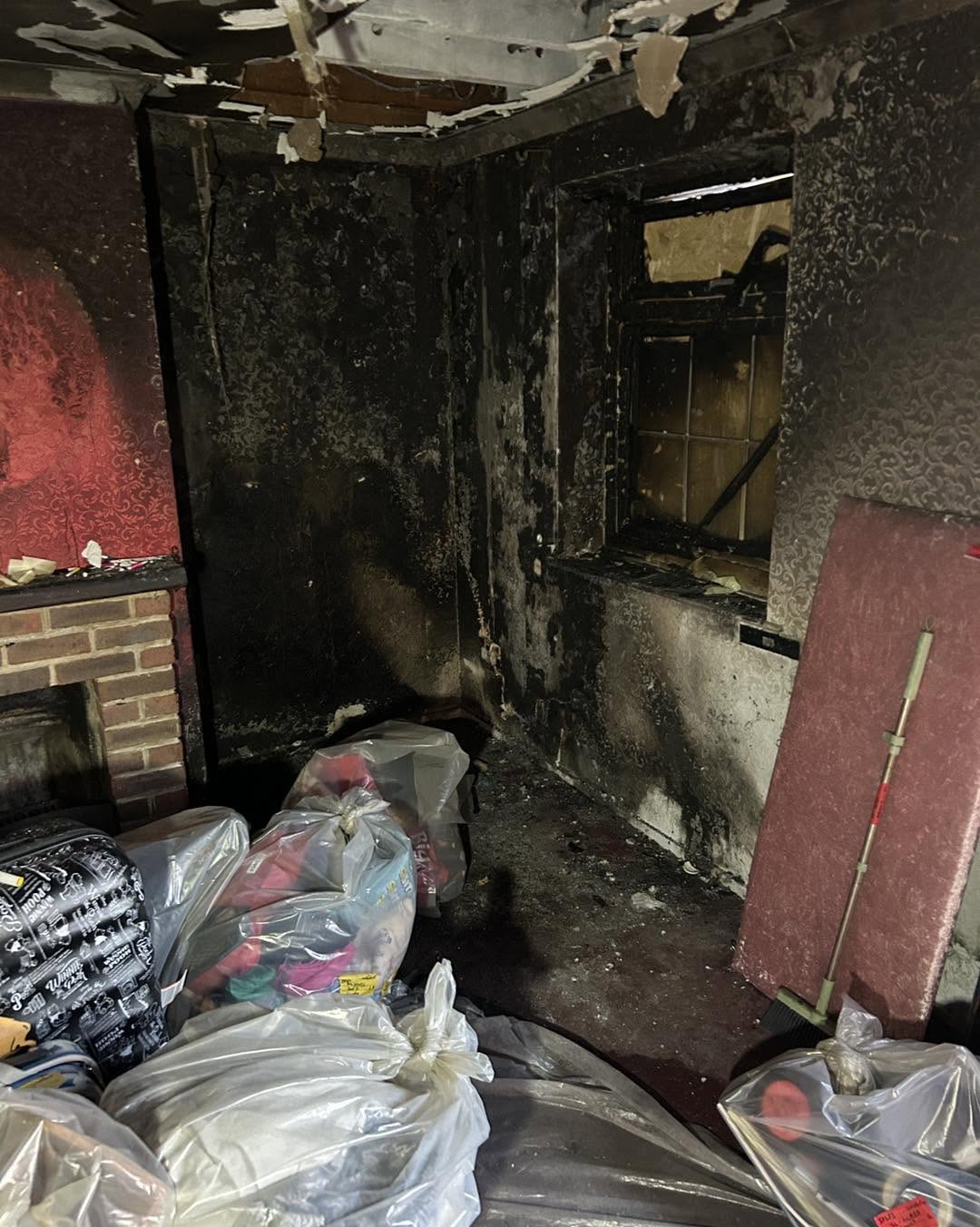
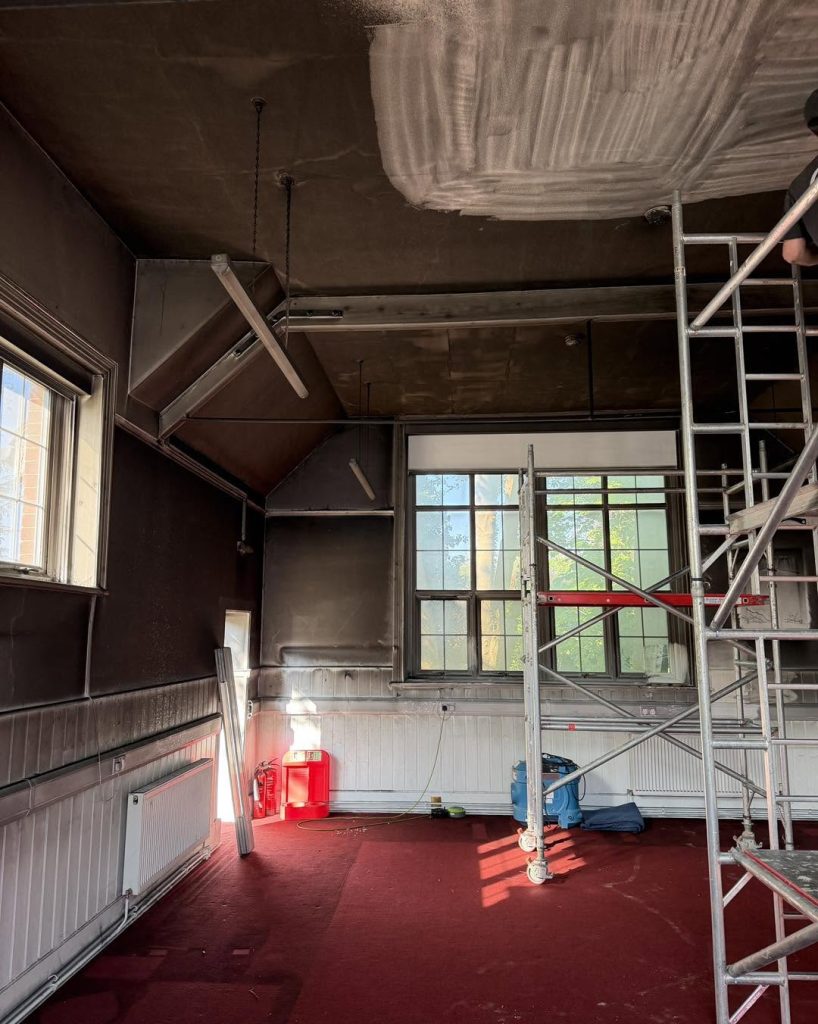
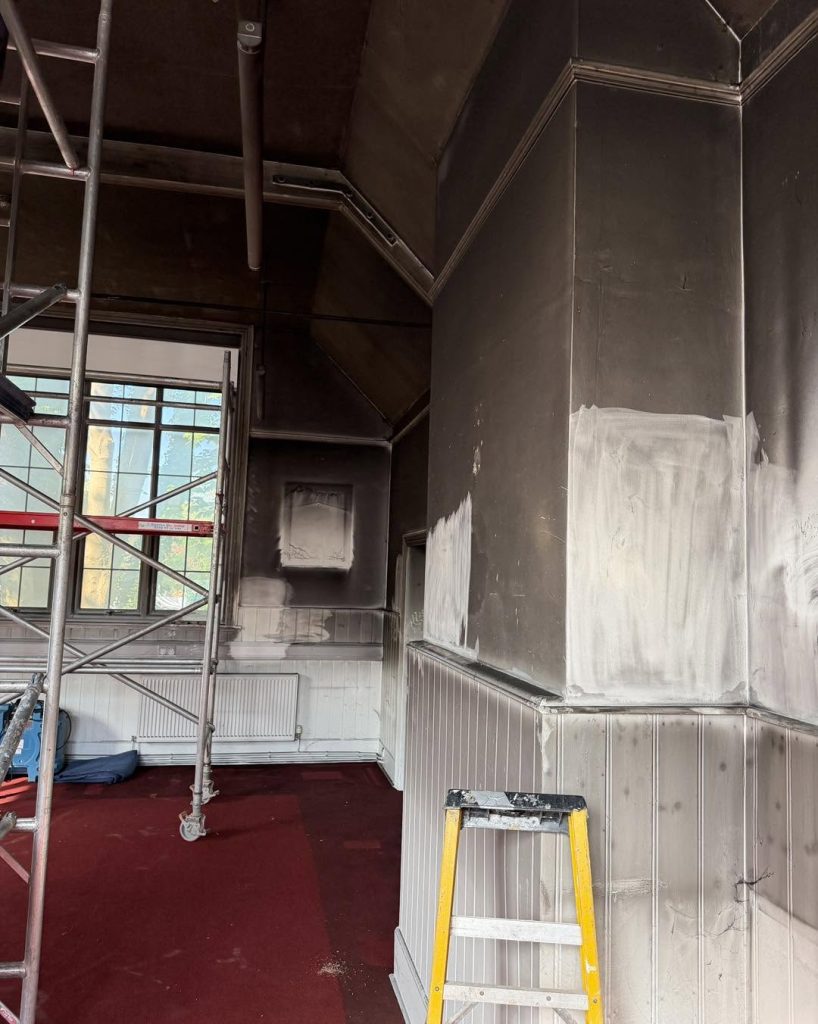
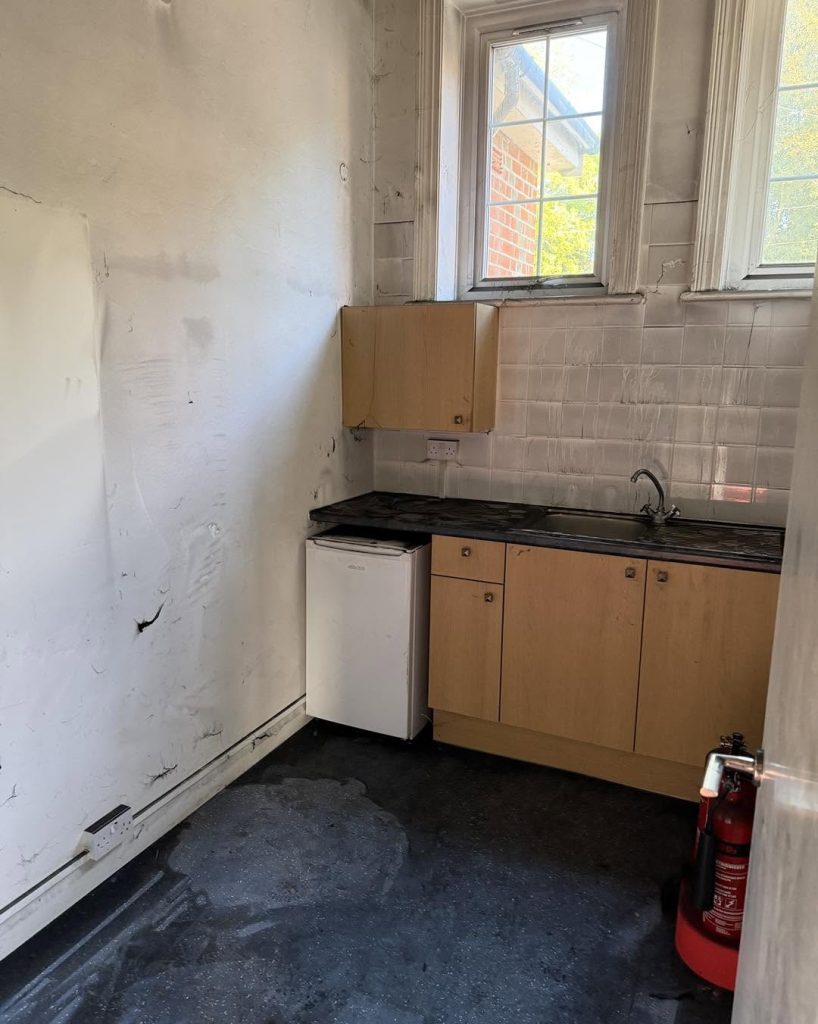
A large art studio in Southampton had suffered severe fire and smoke damage. Remediation could not begin immediately because high-value artwork first had to be removed, allowing soot, smoke residues and odours to remain within the property for a prolonged period.
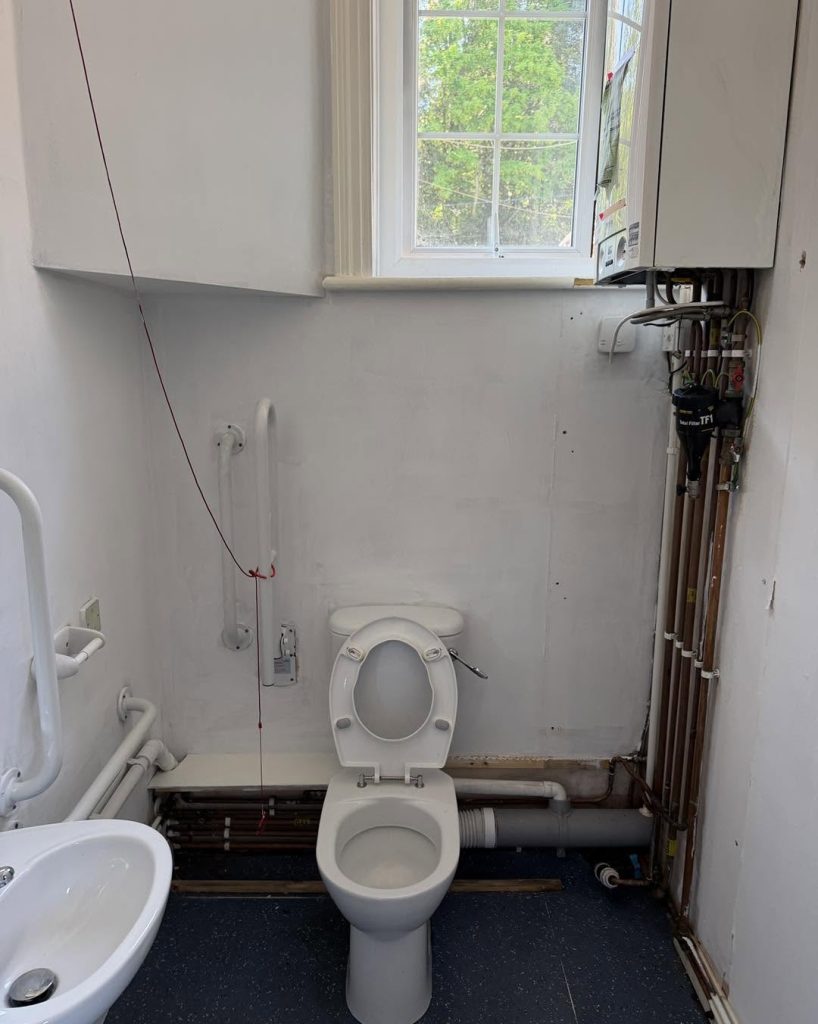
By the time Humidity Response commenced the restoration phase, the property was affected by blackened ceilings, heavy soot contamination, strong smoke odours and concealed mould within ceiling voids.
Assessment priorities
The team needed to address multiple contamination mechanisms rather than treating the incident as a simple surface-cleaning exercise. The programme therefore combined controlled strip-out, fire and smoke decontamination, mould treatment, surface stabilisation and odour control.
Solution
- Affected areas were stripped where materials could not remain in place.
- Fire and smoke contamination was cleaned and decontaminated throughout the work area.
- Mould identified within concealed ceiling areas was treated as part of the remediation programme.
- Surfaces were sealed and stabilised following cleaning and preparation.
- Thermal fogging was used as part of the final odour-treatment process.
Outcome
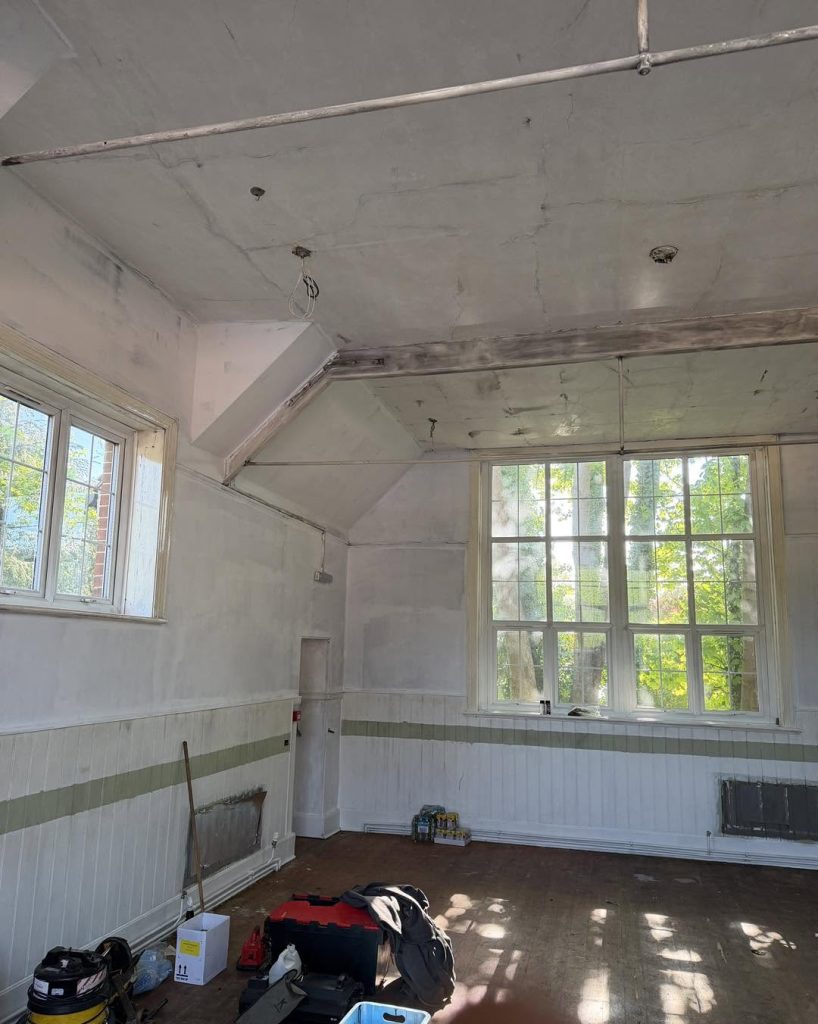
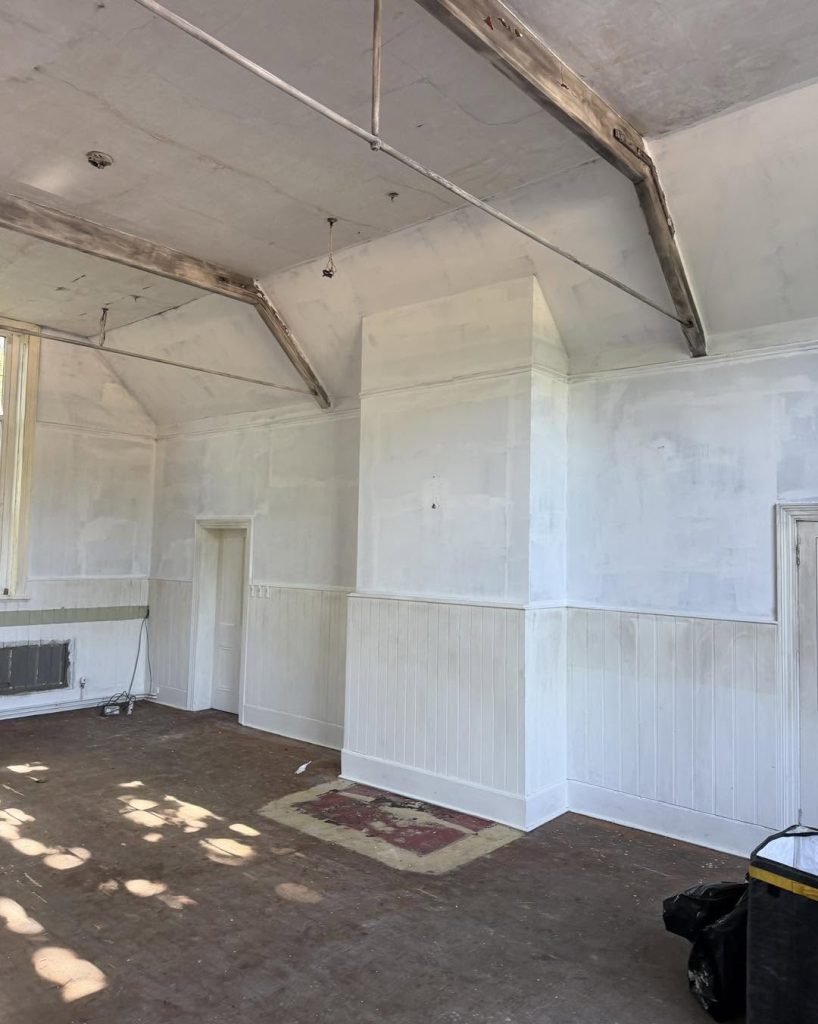
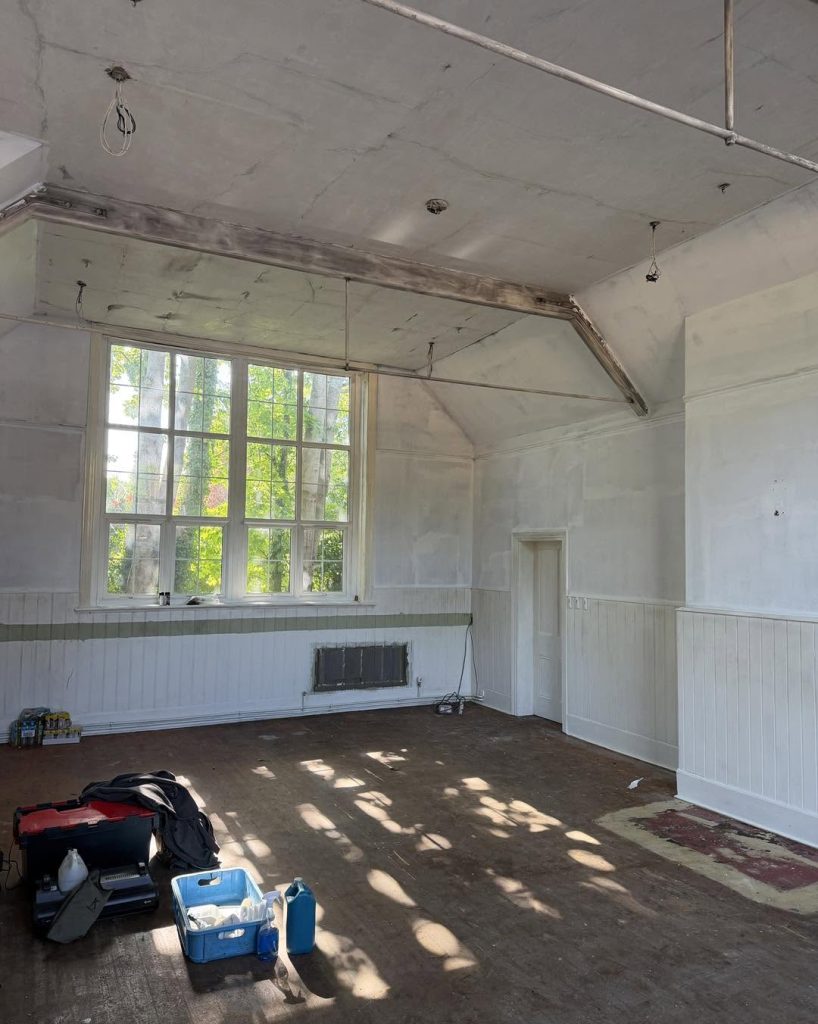
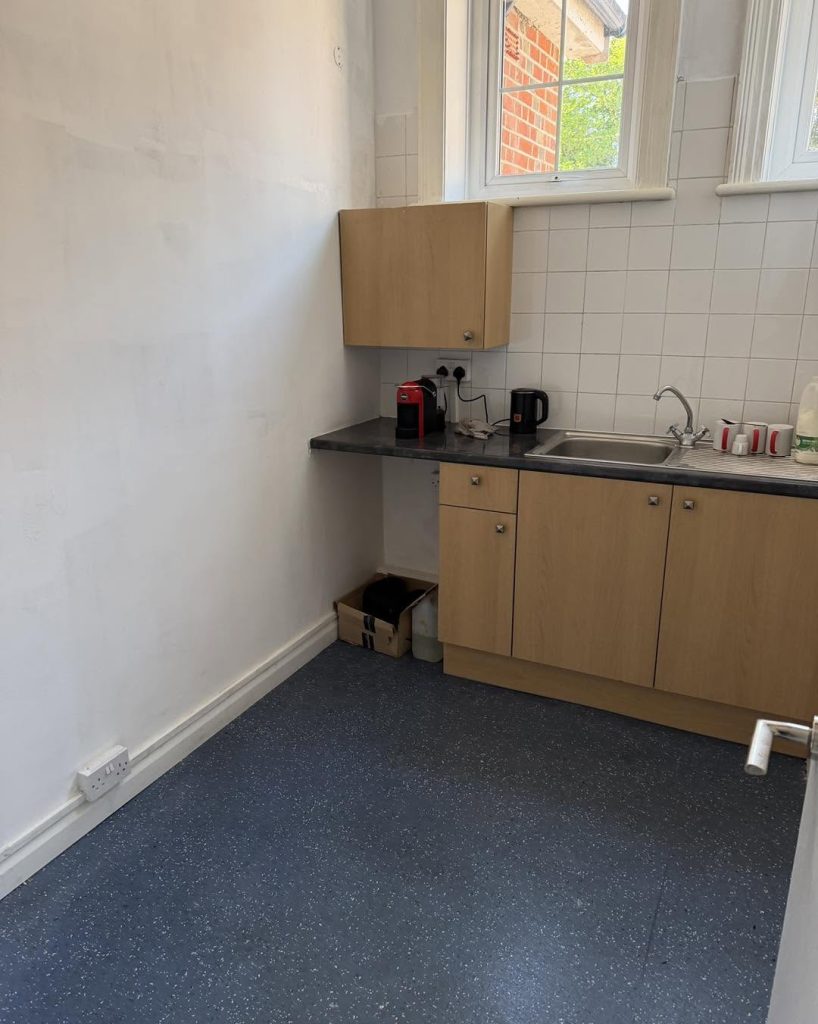
Within five days, the project update recorded that the affected areas had been fully stripped and decontaminated, surfaces had been sealed and stabilised, the mould had been treated and the smoke odour had been neutralised using thermal fogging.
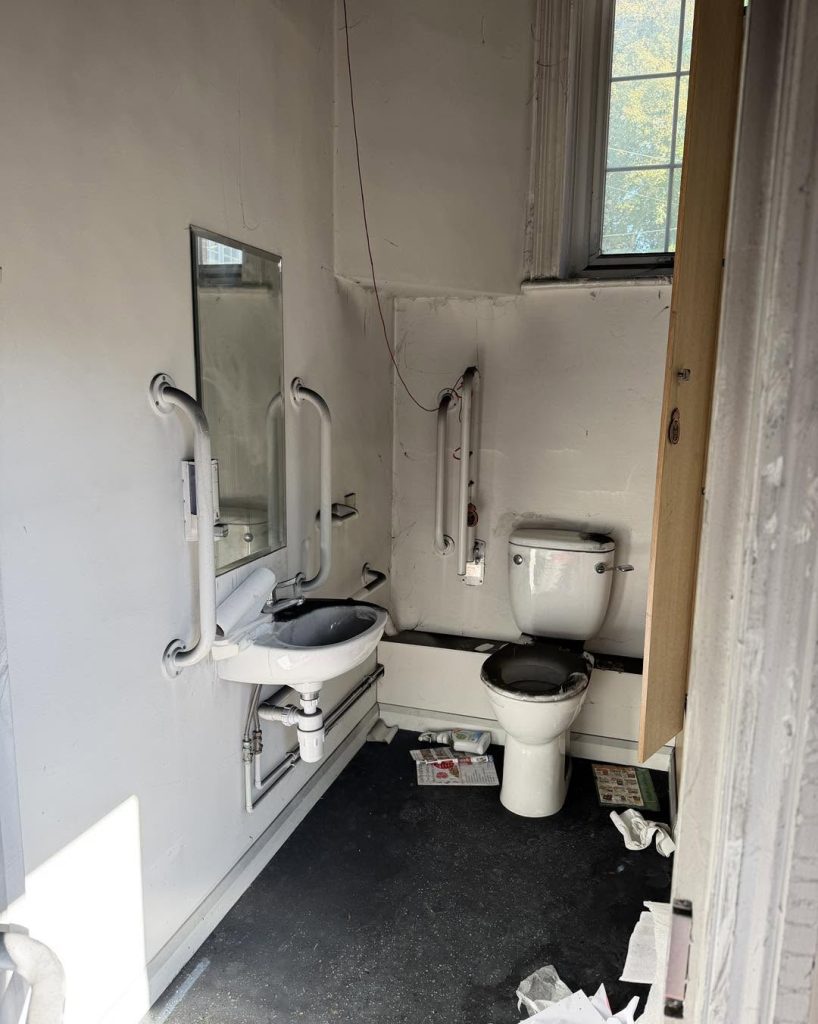
The before-and-after photographs from the project provide a strong visual demonstration of the transformation achieved during the five-day programme.